


What's Happening?
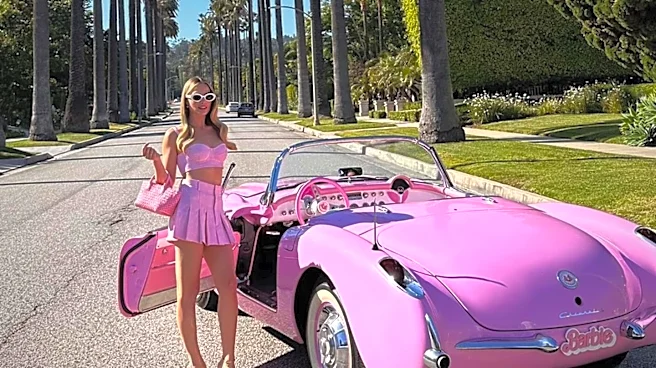
The 'Instagram style' has evolved into a pervasive aesthetic that emphasizes visual appeal and the meticulous presentation of everyday life. This trend is significantly influenced by social media platforms such as Instagram, Pinterest, and TikTok, which
consistently showcase idealized versions of routines, homes, and holidays. The pressure to transform ordinary activities into extraordinary visual content has led to a complete identity shift, where aesthetics are now a crucial component of personal branding and lifestyle presentation. What was once a simple visual style has become an all-encompassing identity, dictating how individuals present their daily lives, from morning routines to travel experiences. This phenomenon blurs the lines between genuinely enjoying a moment and strategically presenting it for an audience, often leading to carefully constructed sequences of activities designed for visual consumption rather than personal experience.
Why It's Important?
This societal shift towards an 'aesthetic life' has profound implications for individual well-being and consumer behavior in the U.S. The constant exposure to curated lifestyles on social media can create unrealistic standards, leading to increased pressure and potential dissatisfaction with one's own uncurated reality. Individuals may feel compelled to invest time and resources into making every aspect of their lives 'Pinterest-worthy,' from home decor to personal appearance, often driven by a desire for external validation. This trend also fuels consumerism, as new aesthetic trends frequently come with associated shopping lists for clothes, decor, and accessories, creating an endless cycle of buying and upgrading. Businesses that cater to these aesthetic trends, particularly in fashion, home goods, and lifestyle products, stand to gain significantly from this demand, while individuals may find themselves caught in a cycle of consumption driven by social media-induced aspirations.
What's Next?
The trajectory of the 'aesthetic life' trend suggests a continued evolution in how individuals interact with social media and present themselves online. While the pressure to curate remains strong, there is also a growing counter-movement towards authenticity and 'de-influencing.' This backlash involves individuals revealing more realistic and less polished aspects of their lives, challenging the artificially curated standards set by aesthetic trends. This could lead to a more balanced approach to social media content, where genuine experiences are valued alongside visually appealing presentations. Businesses may need to adapt their marketing strategies to cater to both the desire for aesthetic appeal and the growing demand for authenticity. The ongoing tension between curated perfection and raw reality will likely shape future social media trends and influence consumer preferences.
Beyond the Headlines
The 'aesthetic life' trend extends beyond mere visual preferences, touching upon deeper psychological and cultural dimensions. It highlights the impact of digital platforms on self-perception and the construction of identity in the modern age. The constant performance of an idealized self can lead to a disconnect between one's internal experience and external presentation, potentially affecting mental health and genuine human connection. Ethically, it raises questions about the authenticity of online interactions and the potential for social media to foster superficiality. Culturally, it reflects a broader societal emphasis on appearance and external validation, where even personal well-being practices like self-care can become another performance. This phenomenon underscores the need for critical media literacy and a conscious effort to distinguish between genuine living and performative aesthetics in an increasingly digital world.