
What's Happening?
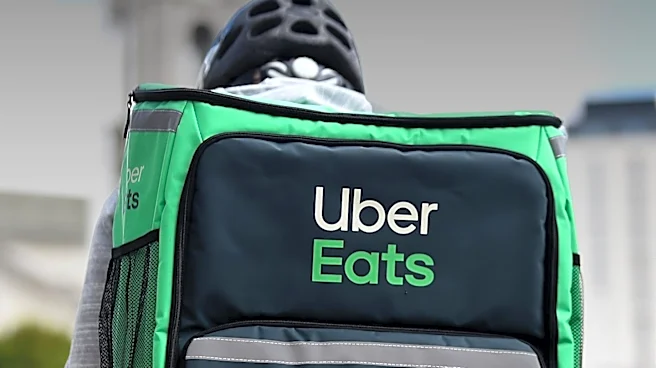
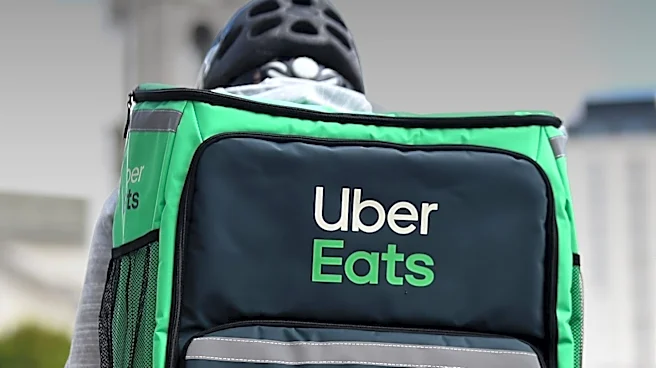
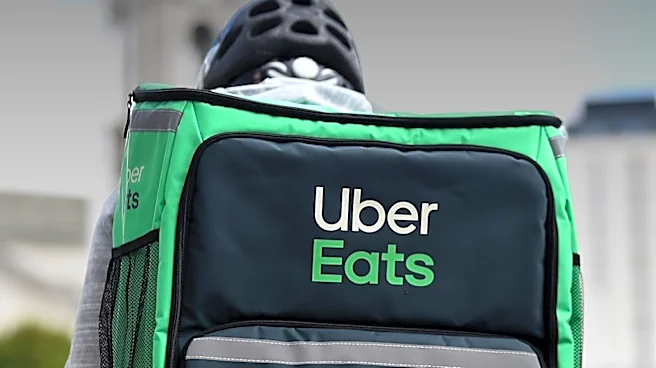
Uber Technologies, Inc. (NYSE:UBER) has moved closer to acquiring German food delivery company Delivery Hero, with its indirect subsidiary, Uber International Technologies II Corporation, securing approximately
87.13% of Delivery Hero's share capital. This development follows the close of the takeover offer's additional acceptance period on November 24. Uber's shares saw a 1.5% increase on Friday morning after the announcement. The acquisition plan, valued at approximately $14.8 billion, was initially announced in July 2026. CEO Dara Khosrowshahi stated that the strong shareholder support indicates confidence in the transaction's potential to generate greater value for consumers, merchants, and earners. The deal is still contingent on regulatory and merger-control approvals, with the final completion anticipated in the second half of 2027. Uber plans to pay Delivery Hero shareholders €41.50 per share in cash, valuing the company's equity at about $14.8 billion, or $13.7 billion after accounting for Uber's previously held stake.
Why It's Important?
This acquisition is significant for Uber as it aims to substantially expand its global footprint and market share in the food delivery and mobility sectors. The combined entity is projected to operate across 99 markets and would have generated $236 billion in pro forma gross bookings in 2025. Furthermore, the transaction is expected to increase the number of markets where Uber offers both mobility and delivery services from 34 to 58, enhancing its integrated service offerings. Financially, the deal is anticipated to be accretive to Uber's non-GAAP earnings per share (EPS) upon closing, with high-single-digit percentage accretion by the third year. This strategic move could solidify Uber's position as a dominant player in the global delivery landscape, potentially impacting competitors and setting new benchmarks for market consolidation in the on-demand service industry. The financing structure, involving existing cash and new debt, is designed to maintain Uber's investment-grade credit rating and keep gross leverage below 2x.
What's Next?
The immediate next steps for Uber involve navigating the regulatory and merger-control approval processes in various jurisdictions. These approvals are crucial for the acquisition to proceed, with completion targeted for the second half of 2027. Following the successful closure, Uber will focus on integrating Delivery Hero's operations into its existing framework, aiming to realize the projected synergies and expand its service offerings in new and existing markets. Investors will be closely watching Uber's financial performance, particularly its upcoming earnings report estimated for February 3, 2027, where analysts expect an EPS of $1.06 and revenue of $15.64 billion. The market will also monitor how the combined entity performs in terms of gross bookings and market expansion, as well as the impact on Uber's profitability and competitive standing in the global delivery sector.
Beyond the Headlines
This acquisition represents a broader trend of consolidation within the on-demand delivery industry, as companies seek to achieve economies of scale, expand geographic reach, and enhance profitability in a highly competitive market. The move could lead to increased market concentration, potentially affecting pricing strategies for consumers and commission rates for merchants and earners. From a strategic perspective, integrating Delivery Hero's extensive network could provide Uber with valuable data and operational insights, further refining its algorithms and logistics capabilities. The long-term implications include the potential for reduced competition in certain markets, which could influence regulatory scrutiny regarding antitrust concerns. Additionally, the deal highlights the ongoing global expansion efforts of U.S.-based tech giants, underscoring the interconnectedness of international markets and the strategic importance of cross-border acquisitions in achieving global dominance in the digital economy.