







What's Happening?
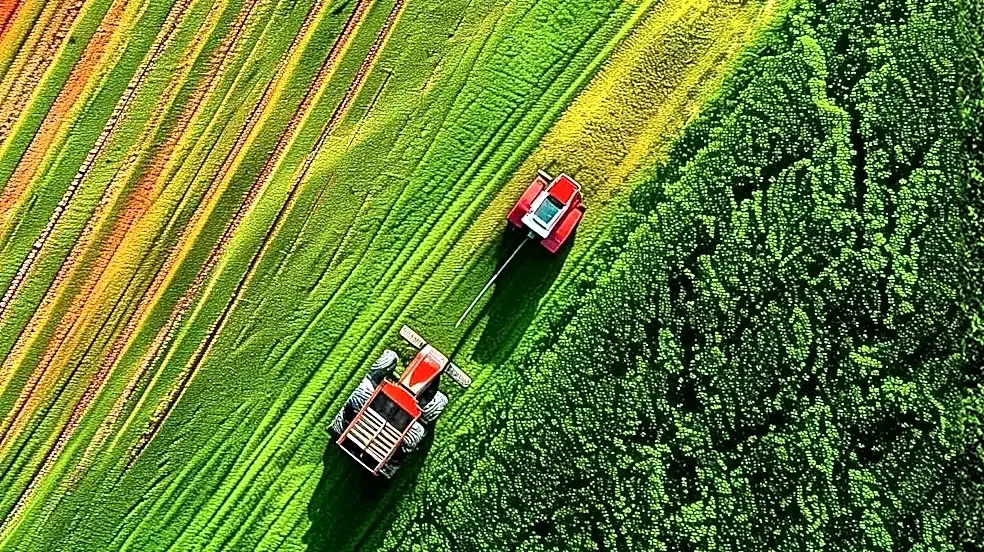
The Fendt Harvest Tour recently demonstrated advanced autonomous farming technology at Son D Farms in Adrian, Minnesota. This event, part of AGCO and its Fendt brand's annual tour, featured the Fendt IDEAL combine alongside an autonomous tractor and grain
cart system. The technology allows machinery to coordinate field operations, reducing the need for an operator in every vehicle. Specifically, a PTx OutRun autonomy kit on a tractor paired with an Elmer's Manufacturing grain cart enables the grain cart to travel between the field edge and the combine without a driver. An operator in the combine controls and monitors the autonomous system, which uses artificial intelligence to calculate routes and lidar, radar, and cameras to detect obstacles. Satellite internet supports remote monitoring, and radio signals facilitate in-field communication. Son D Farms owner Delbert Bullerman, whose family operation has used autonomous technology for about four years, believes continued adoption of such technology is crucial for farms to remain competitive and efficient.
Why It's Important?
The demonstration of autonomous farming technology at Son D Farms is important for U.S. agriculture as it highlights a significant shift towards increased efficiency and addresses labor challenges in the sector. As Delbert Bullerman noted, this technology makes farms more efficient, which is vital for competitiveness. The ability of autonomous systems to coordinate operations and reduce the need for an operator in every vehicle can help farms manage fieldwork, especially during peak seasons like harvest, when labor can be scarce. Kevin Forth, Fendt marketing manager, indicated that this technology is not necessarily meant to replace all workers but rather to fill gaps and allow farms to make better use of their available workforce. This can be particularly beneficial for smaller operations that may lack sufficient personnel for extensive fieldwork. The adoption of such technology can lead to reduced fuel consumption, optimized maintenance schedules, and more precise fieldwork, ultimately impacting the economic viability of U.S. farms.
What's Next?
Autonomous farming technology, while still in its early stages of widespread adoption, is expected to become more common in U.S. agriculture. Kevin Forth compared its potential growth to GPS-based auto-steering, which is now widely used. The technology demonstrated at Son D Farms is commercially available and can be applied to various tasks beyond harvest, including tillage, and can support multiple grain carts and combines in the same field. This suggests a future where autonomous systems play an increasingly integral role in daily farm operations. Farmers like Delbert Bullerman will likely continue to integrate more advanced automation into their practices to maintain efficiency and competitiveness. The feedback gathered by Fendt during tours like this will also inform future product development, ensuring that the technology evolves to meet the specific needs of U.S. farmers and further drives the industry towards greater automation and data-driven decision-making.
Beyond the Headlines
The rise of autonomous farming technology carries deeper implications for the structure and workforce of U.S. agriculture. While it promises increased efficiency and addresses labor shortages, it also raises questions about the future of agricultural employment and the skills required for farm workers. The emphasis on technology means that future farm employees may need to be proficient in monitoring and managing complex automated systems rather than solely operating machinery manually. This could lead to a demand for new training programs and a shift in the agricultural labor market. Furthermore, the capital investment required for such advanced equipment could create a divide between larger, more technologically advanced farms and smaller operations, potentially impacting the competitive landscape. The ethical considerations surrounding artificial intelligence in decision-making processes on farms, particularly concerning safety and environmental impact, will also become increasingly important as these systems become more sophisticated.