






What's Happening?
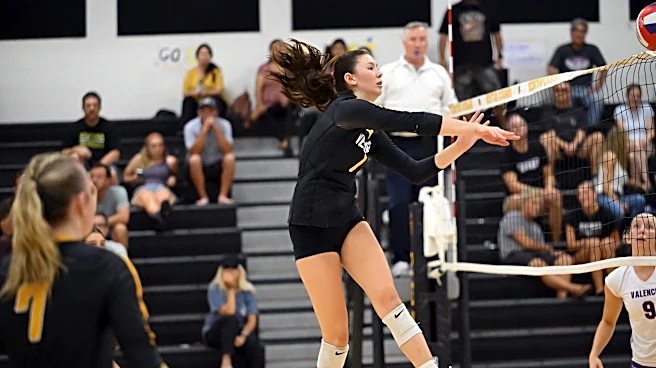
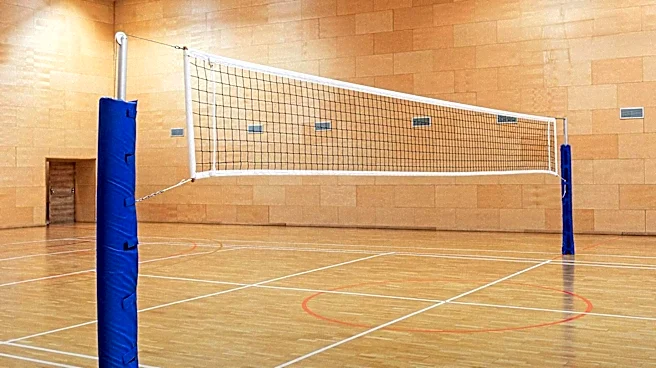
Volleyball net height regulations are precisely defined and vary significantly based on the age, gender, and specific format of play, according to Volleyballmag.com. The standard regulation heights for indoor volleyball are 7 feet 11⅝ inches (2.43 m)
for men and 7 feet 4⅛ inches (2.24 m) for women, measured at the center of the net. Co-ed games typically use the men's standard net height. Junior net heights are adjusted for skill development, with girls aged 10 and under playing at 6 feet 6 inches, while boys in the same age group play at 7 feet. For ages 11-12, both genders converge at 7 feet, and by ages 13-14, they play at the full women's standard. Senior net heights for masters-level competition also see adjustments, with women aged 45 and above playing at 7 feet 2⅛ inches (2.19 m), and men's reductions beginning at age 55. These precise measurements are crucial for fair play and skill development across all levels of the sport.
Why It's Important?
The meticulous adherence to specific net height standards in volleyball is critical for several reasons, impacting player development, competitive fairness, and the overall integrity of the sport. For junior players, age and gender-appropriate net heights are essential for fostering correct technique and preventing injuries. A net that is too high for younger players can lead to improper hitting mechanics and discourage participation. Conversely, maintaining standard heights for competitive adult play ensures a consistent challenge and a level playing field, allowing athletes to showcase their skills under uniform conditions. These standards also influence facility design and equipment requirements, as venues must be able to adjust net heights to accommodate various leagues and age groups. The detailed regulations, including the minimal tolerance for net sag, underscore the sport's commitment to precision and fairness, ensuring that the physical demands and strategic elements of volleyball remain consistent across different competitive environments.
What's Next?
The established net height standards are expected to remain consistent, as they are governed by international bodies like FIVB and USAV, which periodically review and update rules to enhance player safety and game quality. Future developments might include further refinements to junior and senior age group classifications, potentially introducing more granular adjustments to net heights as research on athletic development and aging progresses. Facility managers and league organizers will continue to ensure their equipment meets these specifications, particularly as new programs for diverse age groups emerge. The ongoing emphasis on proper net height will continue to shape training methodologies and coaching strategies, ensuring that players are developed with the correct biomechanics from an early age. Additionally, as the sport grows, there may be increased demand for versatile net systems that can be easily adjusted to accommodate the wide range of official heights.
Beyond the Headlines
Beyond the immediate technical specifications, the varying net heights in volleyball reflect a deeper understanding of human physiology and athletic development. The adjustments for different age groups and genders acknowledge the physical differences in strength, height, and motor skills, promoting inclusivity and long-term participation in the sport. This tailored approach ensures that volleyball remains accessible and enjoyable for a broad demographic, from young beginners to seasoned veterans. The precision in these rules also highlights the scientific and analytical approach to sports governance, where every detail is considered to optimize performance and minimize risk. This commitment to detail fosters a culture of fairness and respect for the game's mechanics, contributing to volleyball's global appeal and its status as a well-regulated and dynamic sport.