






What's Happening?
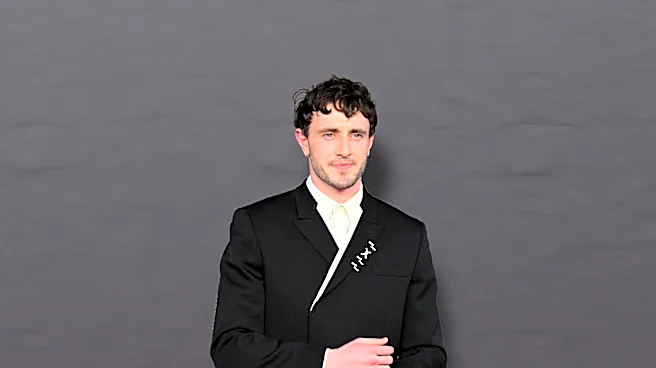
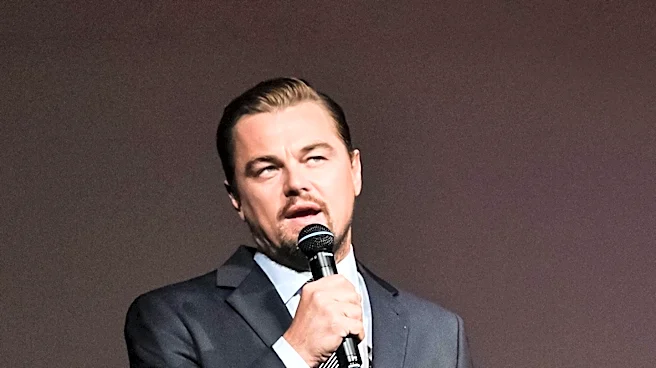
Actor Owen Teague, 27, has gained recognition for his roles in horror films, particularly Stephen King adaptations like 'It' and his recent portrayal of the villain in Netflix's 'The Whisper Man.' In 'The Whisper Man,' Teague plays Frank Carter Jr., the son
of the original serial killer, who continues his father's legacy. Teague describes his character as having a contradictory nature, appearing kind and gentle with children before harming them, a complexity that attracted him to the role. Despite his success in the horror genre, Teague admits he doesn't frequently watch horror movies himself, preferring sci-fi and 'dark, macabre stuff.' He also expressed a desire to explore different genres, including romantic comedies, to diversify his acting portfolio. Teague reflected on his career, noting that growing up in the industry has taught him resilience and the importance of not letting ego dictate his perspective, given the frequent criticism actors face.
Why It's Important?
Teague's rise as a prominent young actor in the horror genre highlights a significant trend in the entertainment industry: the continued popularity and evolution of horror and thriller content. His ability to portray complex, unsettling characters contributes to the genre's depth, attracting a broad audience, particularly among younger demographics. His comments on societal anxiety and fear driving the hunger for horror suggest a deeper cultural relevance, where audiences seek catharsis or a distraction from real-world concerns through fictional scares. Furthermore, his expressed interest in transitioning to romantic comedies reflects a common desire among actors to avoid typecasting and demonstrate versatility, which can influence casting decisions and broaden the types of roles offered to actors known for specific genres. This could lead to more diverse roles for actors who start in niche genres, potentially shifting audience perceptions and industry norms.
What's Next?
Owen Teague's future career trajectory may see him actively pursuing roles outside the horror genre, potentially leading to appearances in romantic comedies or other lighter fare, as he has indicated a strong interest in such projects. His recent work in the comedy 'Griffin in Summer' suggests a deliberate move towards diversifying his roles. This shift could challenge audience expectations and expand his fan base beyond those primarily interested in horror. Industry professionals and casting directors will likely observe his performance in varied roles to assess his versatility. If successful in new genres, Teague could inspire other actors to break free from typecasting, potentially leading to more dynamic and unexpected casting choices across Hollywood. His continued success in horror, however, also ensures a steady stream of roles within that popular genre.
Beyond the Headlines
Teague's discussion about the appeal of horror in a world filled with anxiety touches upon a deeper psychological aspect of entertainment consumption. His theory that audiences, especially his generation, seek out horror as a way to cope with real-world fears suggests that entertainment can serve as a form of emotional processing or escapism. This perspective highlights the therapeutic, albeit indirect, function of art in society, where fictional narratives provide a safe space to confront or temporarily forget anxieties. His personal preference for sci-fi and 'dark, macabre stuff' over traditional horror also indicates a nuanced appreciation for storytelling that explores the darker aspects of human nature or speculative futures, rather than just jump scares. This could influence the types of projects he gravitates towards, potentially leading to more thought-provoking genre films that blend elements of horror, sci-fi, and psychological drama.