






What's Happening?
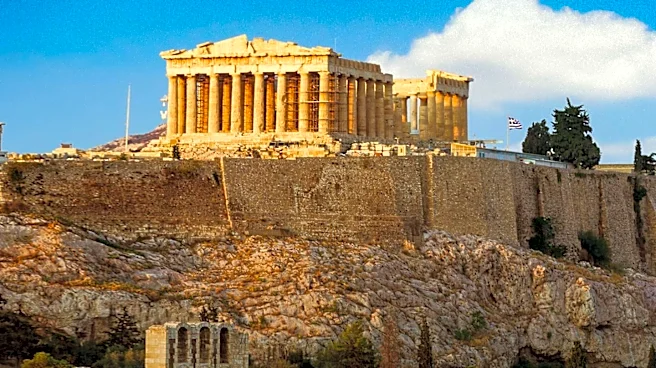
The travel industry is experiencing a significant shift known as 'peak creeping,' where the traditional shoulder season discount is collapsing. This phenomenon is driven by extreme summer heat and overwhelming overtourism, leading millions of travelers
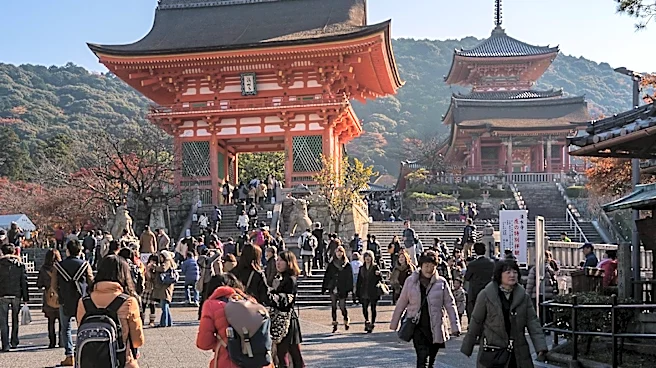
to shift their trips into traditionally off-peak months like September and October. This change means that what was once considered a period for lower prices and fewer crowds is now experiencing increased congestion, inflation, and local friction. Destination managers, hoteliers, and tour operators are facing a strategic challenge as treating off-peak months as a discounted period for excess capacity is no longer viable. The shift in mass-market behavior to bypass peak summer crowds is effectively exporting peak season issues into the shoulder months, transforming the dynamics of travel demand and pricing.
Why It's Important?
This shift has significant implications for the U.S. travel and tourism industry, impacting businesses, local communities, and travelers. For hoteliers and tour operators, the traditional pricing and demand models for shoulder seasons are becoming obsolete, requiring new strategies to manage capacity and revenue. Local communities in popular destinations may experience extended periods of high visitor density, potentially straining infrastructure and quality of life, which was previously mitigated by seasonal fluctuations. Travelers, who once relied on shoulder seasons for more affordable and less crowded experiences, will find these benefits diminishing, potentially altering travel patterns and budgets. The need for a 'deep travel' model, focusing on spatial dispersal and bundling cultural experiences, becomes crucial for long-term resilience, moving beyond simple date shifts to transform how people travel.
What's Next?
In response to 'peak creeping,' the travel industry is expected to adopt new strategies to manage demand and maintain sustainability. Forward-thinking brands are likely to move away from simple price wars and instead focus on a 'deep travel' model. This involves encouraging spatial dispersal by guiding high-value travelers towards secondary cities, regional rural hubs, and uncrowded local neighborhoods. Instead of surge-pricing standard hotel rooms during autumn demand spikes, brands may bundle extended stays with rich, story-led cultural access and regional food heritage. Continuous management of visitor density and ecosystem infrastructure will become paramount to protect the quality of life for local communities, rather than treating shoulder seasons as unregulated free-for-alls. The focus will shift from merely moving crowds on a calendar to transforming how people travel.
Beyond the Headlines
The 'peak creeping' phenomenon highlights deeper issues within the travel industry, including the environmental and social impacts of overtourism and climate change. The extreme summer heat, a direct consequence of climate change, is a primary driver for travelers seeking cooler, off-peak alternatives, inadvertently extending the peak season's pressures. This trend underscores the urgent need for sustainable tourism practices that go beyond minimizing negative impacts to actively promoting regenerative travel. It also brings to light the ethical considerations of balancing economic benefits from tourism with the well-being of local communities and the preservation of natural ecosystems. The long-term shift could lead to a re-evaluation of travel infrastructure, destination marketing, and the very definition of a 'peak' travel season, pushing for more equitable and environmentally conscious travel models.