





What's Happening?
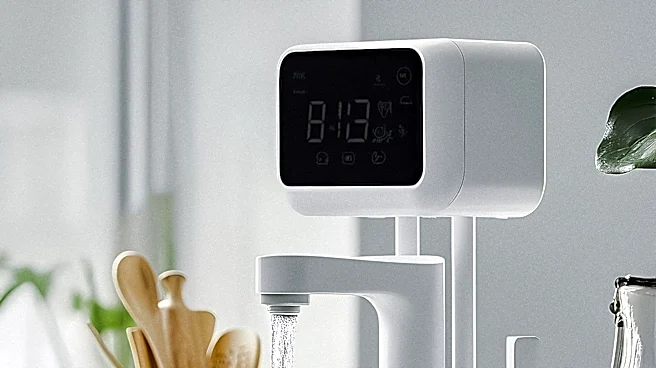
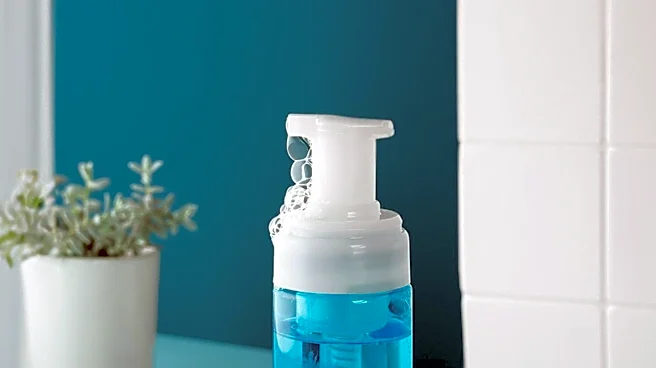
The Jhungrun Automatic Liquid Soap Dispenser, a touchless and USB rechargeable device with a 13.5oz/400ml capacity and three adjustable levels, is receiving mixed feedback from customers. While some users praise its aesthetic appeal, ease of filling,
and long-lasting rechargeable battery, others report significant issues with its effectiveness and reliability. A common complaint is that the dispenser stops working after a short period, with several customers noting durability problems within a month of purchase. Additionally, there are concerns about the device dispensing an excessive amount of soap, leading to disagreements among customers regarding its overall value for money. The product is designed to be compatible with various thick and thin dish soaps for both bathroom and kitchen use.
Why It's Important?
The performance and reliability issues of the Jhungrun Automatic Liquid Soap Dispenser highlight broader challenges in the consumer electronics market, particularly for smart home and personal care devices. For consumers, investing in products that fail prematurely represents a financial loss and inconvenience, potentially eroding trust in new technologies. For manufacturers, such mixed reviews can significantly impact brand reputation and future sales, especially in a competitive market where product longevity and consistent performance are key differentiators. The feedback regarding excessive soap dispensing also points to a design flaw that could lead to increased product consumption and waste, affecting both consumer budgets and environmental considerations. This situation underscores the importance of robust quality control and thorough product testing before market release to ensure customer satisfaction and product sustainability.
What's Next?
For Jhungrun, addressing the reported durability and reliability issues will be crucial for maintaining market presence and customer trust. This could involve investigating manufacturing processes, improving component quality, or refining the product's design to prevent premature failure. Customer service and warranty policies will also play a significant role in managing existing customer dissatisfaction. For consumers, future purchasing decisions for similar smart dispensers will likely be influenced by detailed product reviews and manufacturer responses to these types of issues. The market may see an increased demand for transparent product testing results and extended warranties as consumers become more discerning about the longevity and performance of their smart home devices. Competitors may also leverage these reported shortcomings to highlight the reliability of their own products.
Beyond the Headlines
The mixed reception of the Jhungrun Automatic Liquid Soap Dispenser reflects a broader trend in the consumer goods sector where rapid innovation often outpaces long-term reliability. This can lead to a 'throwaway culture' if products are not designed for durability, contributing to electronic waste and environmental concerns. The ethical implications for manufacturers include the responsibility to produce goods that meet reasonable expectations for lifespan and functionality, rather than prioritizing rapid market entry. From a consumer perspective, the reliance on online reviews for purchasing decisions becomes even more critical, yet also more complex due to the potential for biased or unverified feedback. This scenario also touches upon the evolving definition of 'smart' products, where convenience features must be balanced with fundamental product performance and sustainability to truly add value to consumers' lives.