





What's Happening?
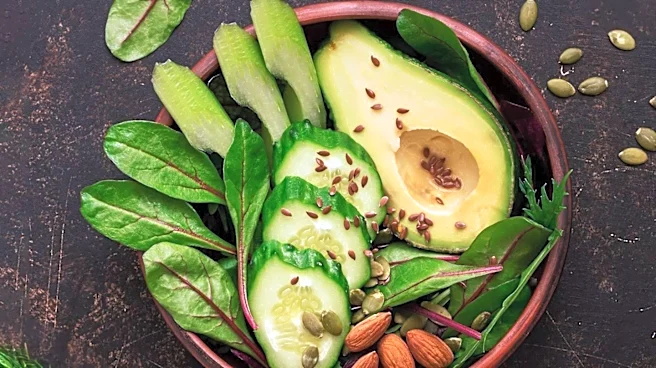
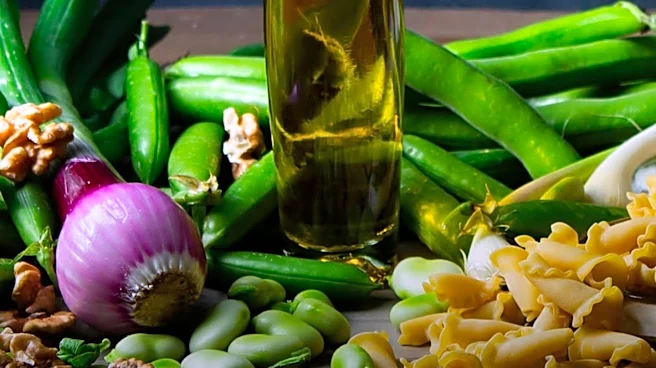
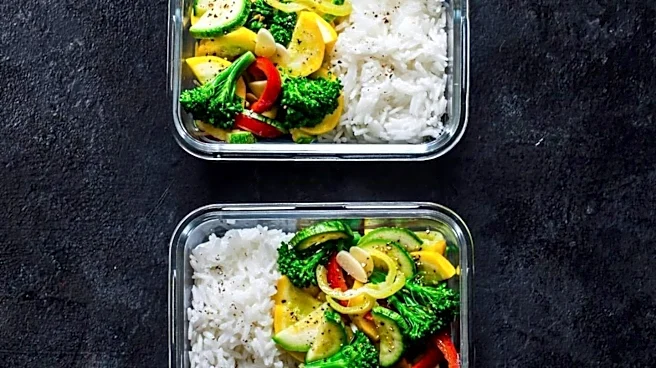
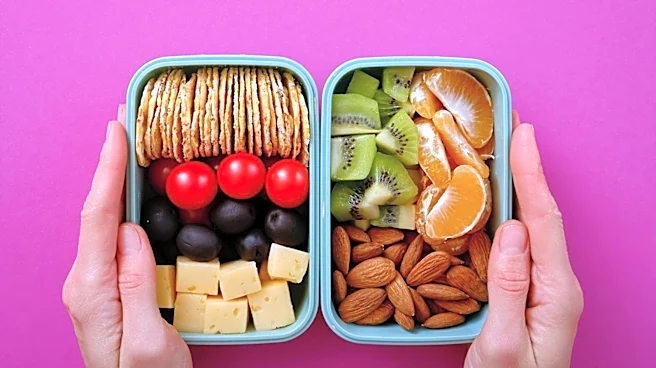
Meal prepping involves preparing food in advance to streamline daily meal decisions and cooking processes. This can range from washing and slicing fruits and vegetables, cooking grains, and portioning proteins, to preparing entire meals for later consumption.
The core idea is to reduce the time and effort spent on cooking during busy periods by front-loading preparation tasks. Strategies include preparing complete meals that can be reheated, or focusing on ingredient preparation, where components like roasted vegetables or cooked grains can be combined in various ways throughout the week. This approach aims to provide flexibility and convenience, addressing the common challenge of finding time for healthy eating amidst hectic schedules. By organizing ingredients and meals ahead of time, individuals can ensure access to balanced and satisfying food options without daily extensive cooking.
Why It's Important?
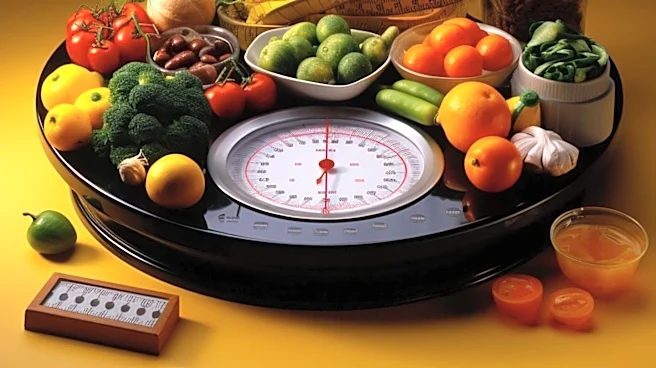
The practice of meal prepping is important for several reasons, particularly in the context of modern U.S. lifestyles. It offers a practical solution to the time constraints many individuals face, enabling them to maintain healthier eating habits despite busy schedules. By reducing the need for last-minute cooking decisions and preparation, meal prepping can lead to more balanced diets, potentially mitigating reliance on less healthy fast food or convenience options. Economically, it can help reduce food waste by encouraging planned consumption and efficient use of ingredients. For individuals with specific dietary goals, such as weight management or macro tracking, meal prepping provides precise control over portion sizes and nutritional content. Furthermore, it can alleviate the mental burden of daily meal planning, contributing to reduced stress and improved overall well-being by fostering a sense of control over one's diet.
What's Next?
To effectively implement meal prepping, individuals can start by assessing their weekly schedules to identify peak busy times and tailor their prep accordingly. This might involve preparing three lunches for work or having dinner ingredients ready for a few evenings. A key strategy to prevent meal fatigue is to vary flavor profiles and textures throughout the week, rather than relying on a single recipe. Incorporating distinct flavor directions, such as savory-sweet versus spicy, and adding cold options like salads, can enhance variety. Utilizing toppings like fresh herbs, citrus, or quick-pickled onions at serving time can also transform a meal's taste and texture. Building a separate freezer stash of meals can provide a convenient fallback for weeks when fresh prep isn't feasible, ensuring continuous access to prepared food options.
Beyond the Headlines
Beyond the immediate benefits of convenience and healthy eating, meal prepping touches upon deeper aspects of efficiency and mindfulness in daily life. The concept of 'mise en place,' or 'everything in its place,' borrowed from professional kitchens, highlights how pre-organizing ingredients can transform the cooking experience from rushed and stressful to calm and controlled. This systematic approach not only prevents burnt ingredients and messy counters but also shifts the focus from reactive cooking to proactive planning. It encourages a more thoughtful engagement with food preparation, fostering a sense of accomplishment and reducing decision fatigue. This practice can extend beyond the kitchen, influencing how individuals approach other tasks by emphasizing preparation and organization as foundational elements for successful execution, ultimately promoting a more structured and less chaotic daily routine.