



What's Happening?
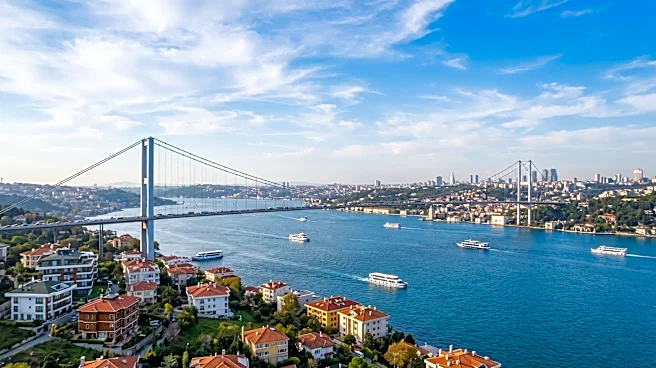
Istanbul, a major hub connecting Europe and Asia, is set to host the fourth GlobeMeets Networking Event from September 10-11 at Rixos Tersane Istanbul. This event will bring together approximately 3,000 global tourism professionals to discuss the industry's
2027 outlook and foster new business partnerships. Azerbaijan will serve as this year's country partner. The event, themed 'Meeting Point Beyond Borders,' is designed as an invitation-only platform focusing on scheduled one-on-one meetings rather than a traditional trade fair. Organizers anticipate participation from official tourism offices from 11 countries, ambassadors, nearly 20 international airlines, and over 1,000 travel agencies from Istanbul and other Turkish cities. More than 11,000 business-to-business meetings are planned, involving around 100 international buyer travel agencies, local agencies from over 60 countries, cruise lines, and international hotel chains. Speakers at the opening include Istanbul Governor Davut Gul, Türkiye's Deputy Minister of Culture and Tourism Nadir Alpaslan, and Istanbul Chamber of Commerce Chairman Sekib Avdagic, alongside Firuz Baglikaya, chairman of the Association of Turkish Travel Agencies (TURSAB), and Huseyin Kurt, co-founder of GlobeMeets.
Why It's Important?
This global tourism gathering in Istanbul is significant for the U.S. tourism industry and related sectors. While the event is held in Turkey, the participation of international airlines, cruise lines, and travel agencies from over 60 countries, including potential U.S. entities, indicates opportunities for cross-border collaboration and market expansion. U.S. travel agencies and tourism businesses could leverage the networking opportunities to forge partnerships, attract international tourists to the U.S., or expand their offerings to include destinations like Turkey. The discussions on the 2027 industry outlook could influence global tourism trends, impacting U.S. travel policies, investment decisions in hospitality, and marketing strategies for U.S. destinations. Furthermore, the event's focus on business-to-business meetings provides a direct channel for U.S. companies to engage with international counterparts, potentially leading to new revenue streams and increased market share in the global tourism landscape. The insights gained from this event could also help U.S. stakeholders understand evolving traveler preferences and competitive landscapes, enabling them to adapt and innovate.
What's Next?
Following the GlobeMeets Networking Event, the insights and partnerships formed are expected to influence the global tourism industry's trajectory for 2027. Participating U.S. travel agencies, airlines, and hospitality groups will likely integrate new strategies and collaborations into their business plans. The event's emphasis on one-on-one meetings suggests that concrete deals and agreements could emerge, leading to new travel packages, expanded flight routes, or joint marketing initiatives. Stakeholders will monitor the outcomes to assess shifts in international travel demand and emerging market opportunities. The discussions on the 2027 outlook will guide investment decisions and policy adjustments within the U.S. tourism sector, particularly concerning international inbound and outbound travel. The continued growth of GlobeMeets, which has expanded significantly since its 2023 launch, indicates its increasing influence as a platform for shaping the future of global tourism, making its future editions crucial for U.S. industry players to observe.
Beyond the Headlines
The GlobeMeets event in Istanbul highlights a broader trend of increasing interconnectedness in the global tourism industry, where cities like Istanbul serve as critical nodes for international exchange. For the U.S., this signifies the importance of maintaining strong diplomatic and economic ties with key global travel hubs to ensure continued access to diverse tourism markets. The event's structure, prioritizing direct business-to-business interactions over traditional trade show formats, reflects an evolving approach to international commerce, emphasizing efficiency and targeted networking. This model could influence how U.S. industries approach international trade and partnership development in other sectors. Furthermore, the focus on shaping the 2027 outlook underscores the long-term strategic planning prevalent in the tourism industry, which can offer lessons for other U.S. sectors facing rapid global changes. The cultural exchange inherent in such international gatherings also subtly promotes soft power and mutual understanding, which can have long-term benefits beyond immediate economic gains for the U.S.