





What's Happening?
Gen Z employees are significantly influencing modern workplace culture by challenging traditional norms regarding commitment, flexibility, and career progression. They prioritize stability, skill development, and overall well-being, expecting tangible
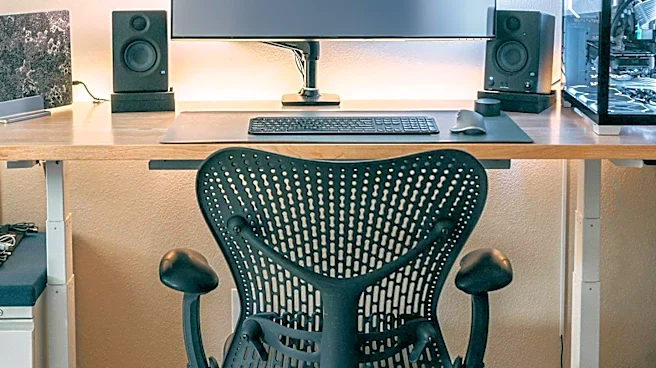
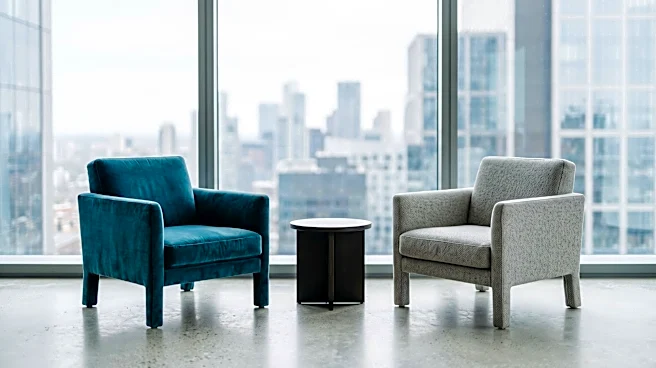
outcomes and respect for their lives outside of work. This generation values workplaces that visibly demonstrate company values through practical design decisions, such as sustainability, comfort, and spaces that facilitate collaboration without constant distraction. According to Saimir Collaku, modern workplace design needs to adapt to these evolving expectations, moving beyond traditional office layouts to offer flexible spaces, advanced technology, comfortable furniture, and dedicated zones for both collaboration and quiet work. This shift is driven by Gen Z's experience growing up with digital technology and witnessing previous generations' workplace challenges, leading them to seek environments that support both productivity and personal well-being.
Why It's Important?
The evolving expectations of Gen Z have significant implications for U.S. businesses and the broader labor market. Companies that fail to adapt to these demands risk higher turnover rates and difficulty attracting top talent from this demographic. Gen Z's emphasis on work-life balance, mental health, and employer investment in their career growth means that traditional incentives like salary alone may no longer be sufficient for retention. The 'low-hire, low-fire' labor market, coupled with a shrinking premium for job-hopping, makes it crucial for employers to create environments where Gen Z feels valued and supported. Investing in ergonomic workspaces, flexible arrangements, and clear career development pathways can lead to increased employee satisfaction, higher retention rates, and improved productivity, ultimately benefiting the company's bottom line and long-term success in a competitive talent landscape.
What's Next?
Employers will likely continue to refine their workplace strategies to align with Gen Z's expectations. This includes a greater focus on human-centered office design, incorporating elements like natural light, acoustic materials, and diverse work settings to accommodate various tasks and preferences. Companies are expected to invest more in employee development and education, not just as a benefit, but as a visible commitment to their workforce's growth. Communication about available benefits and career pathways will become more critical to build trust and reduce the disconnect between employer offerings and employee awareness. Furthermore, businesses will increasingly rely on employee feedback through surveys and tracking workspace utilization to continuously improve their environments and ensure they meet the evolving needs of their Gen Z workforce.
Beyond the Headlines
The shift in workplace expectations driven by Gen Z reflects deeper societal changes, including increased awareness of mental health, the impact of technology on work-life integration, and a desire for purpose-driven employment. This generation's approach to work challenges the long-held notion of 'hustle culture' and encourages a re-evaluation of what constitutes a successful and fulfilling career. The demand for flexibility and well-being could lead to more widespread adoption of hybrid work models and a greater emphasis on employee-centric policies across industries. Ethically, companies are being pushed to demonstrate genuine care for their employees' holistic well-being, moving beyond performative gestures to implement practical changes that foster a supportive and sustainable work environment. This cultural shift could ultimately redefine the social contract between employers and employees, emphasizing mutual investment and respect.