






What's Happening?
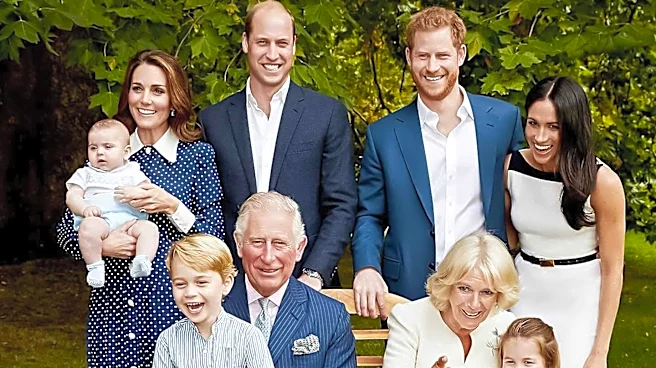
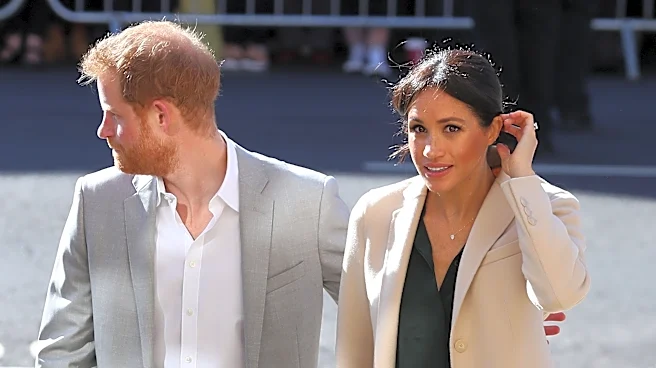
The Royal Ascot 2026, a prestigious horse-racing event, has seen a significant turnout from the British royal family. The event, which began on June 16, 2026, featured appearances from key royal figures including Princess Catherine, Prince William, King
Charles III, and Queen Camilla. Princess Catherine and Prince William made a notable entrance on the second day, with Catherine donning a sunflower-yellow dress and William complementing her attire with a matching boutonnière. The third day saw King Charles III and Queen Camilla arriving at the Ascot Racecourse in Berkshire, England, accompanied by Charles's siblings, Princess Anne and Prince Edward, as well as Edward's wife, Sophie, Duchess of Edinburgh. Zara Tindall, Anne's daughter, also attended, wearing an elegant butter-yellow outfit. The event is a traditional gathering for the royals, with at least one member attending annually. This year, the family made it a full affair, with additional appearances by Princess Diana's nieces, Ladies Amelia and Eliza Spencer, and Carole Middleton, Princess Catherine's mother.
Why It's Important?
The presence of the British royal family at Royal Ascot 2026 underscores the event's significance as a cultural and social highlight in the UK. The participation of multiple royal family members not only draws public and media attention but also reinforces the tradition of royal patronage in British cultural events. This gathering serves as a public relations opportunity for the royal family, showcasing unity and continuity amidst ongoing public interest in their activities. The event also highlights the royals' role in supporting British traditions and the equestrian industry, which is a significant part of the UK's cultural heritage. The attendance of high-profile figures like King Charles III and Queen Camilla can boost the event's prestige and attract international attention, potentially benefiting tourism and local businesses.
What's Next?
As Royal Ascot 2026 continues until June 20, there may be further appearances by members of the royal family, which could include additional surprise visits or public engagements. The event's conclusion might also lead to reflections on the royal family's public image and their engagement with traditional British events. Observers and media will likely analyze the impact of the royals' presence on public sentiment and the event's success. Future royal engagements and appearances at similar cultural events will be anticipated, as they play a crucial role in maintaining the monarchy's relevance and connection with the public.