



What's Happening?
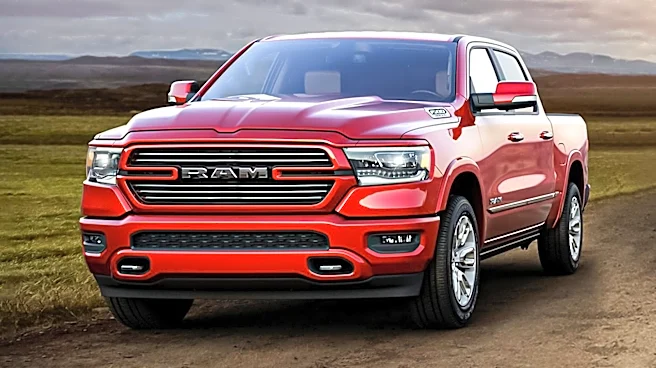
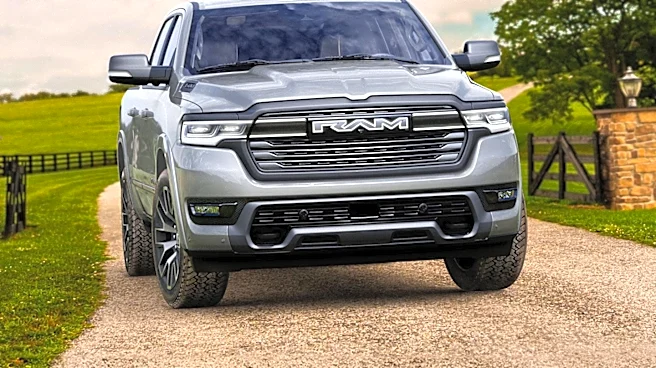
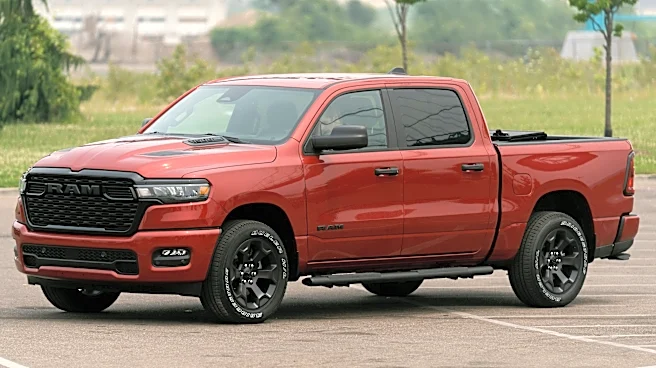
Stellantis, the parent company of Chrysler, has announced a recall of over 1.5 million Ram 1500 pickup trucks worldwide due to a seat belt issue. The recall affects vehicles manufactured between 2019 and 2026, which may have been built with a second-row
center or second-row driver side seat belt buckle anchor that was not properly attached to the vehicle body structure. This defect could compromise the performance of the seat belt system, increasing the risk of injury to occupants. Stellantis has reported awareness of one potentially related injury but no fatalities. The recall includes 1.27 million vehicles in the United States, 156,000 in Canada, 15,000 in Mexico, and approximately 75,000 in other regions. Affected vehicle owners will be notified to contact dealers for an inspection, and if necessary, the seat belt buckle anchor will be properly attached.
Why It's Important?
This recall is significant as it involves a large number of vehicles, particularly in the United States, where over a million units are affected. The safety of vehicle occupants is a critical concern, and the improper attachment of seat belt anchors poses a serious risk. This recall highlights the importance of stringent quality control measures in the automotive industry to prevent such safety issues. For Stellantis, this recall could impact its reputation and financial performance, as recalls often lead to increased costs and potential loss of consumer trust. Additionally, it underscores the need for continuous monitoring and improvement of manufacturing processes to ensure vehicle safety standards are met.
What's Next?
Stellantis will begin notifying affected vehicle owners to arrange inspections and necessary repairs at authorized dealerships. The company will likely work to ensure that all affected vehicles are addressed promptly to mitigate any potential safety risks. This recall may prompt further scrutiny from regulatory bodies regarding Stellantis' manufacturing practices and quality control measures. The automotive industry may also see increased pressure to enhance safety protocols and prevent similar issues in the future.