


What's Happening?
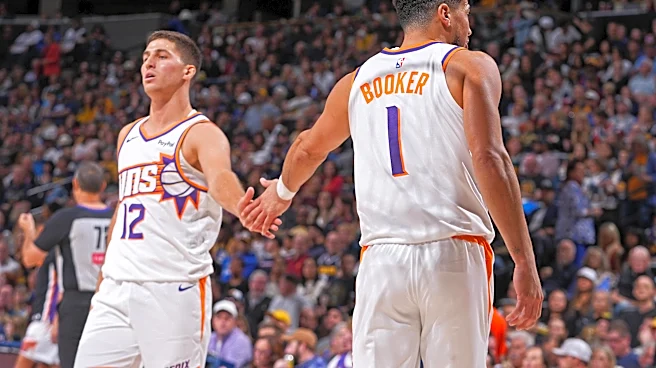
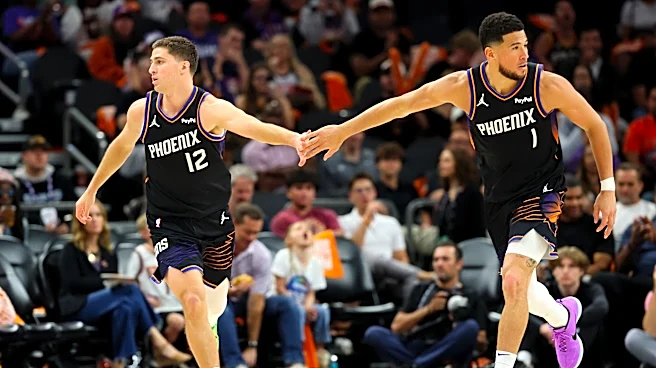
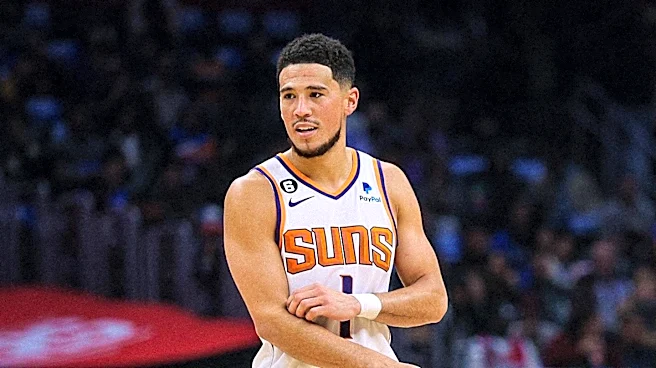
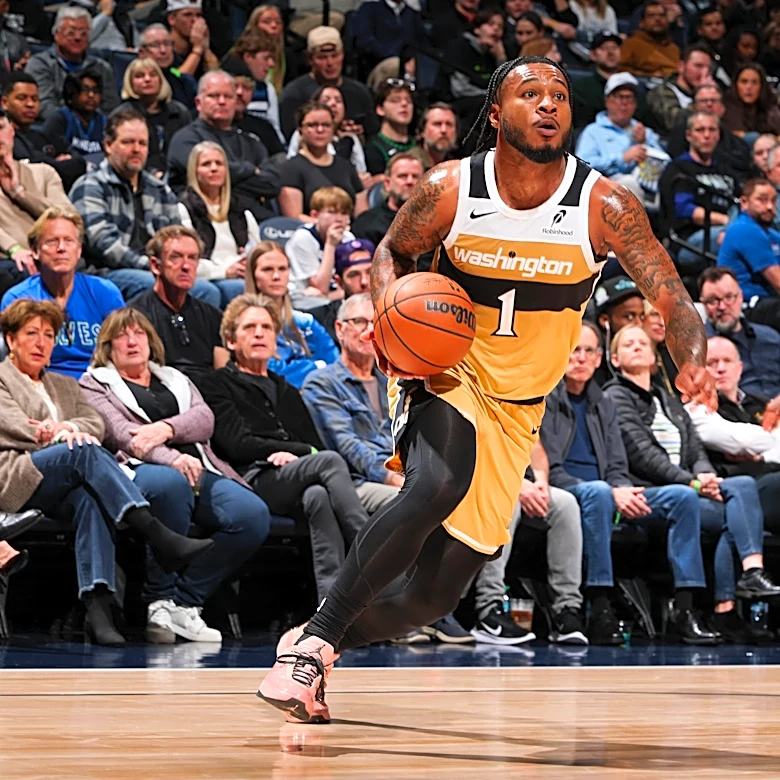
Phoenix Suns majority owner Mat Ishbia has unequivocally stated that five-time All-Star guard Devin Booker will not be traded from the team. This declaration came in response to a fan's question about trading Booker to the Detroit Pistons, to which Ishbia responded,
"When I'm dead." Ishbia, a Michigan native, emphasized his lack of concern for the Pistons. This statement addresses growing external speculation about the Suns' long-term financial landscape and potential player movements, especially following the departure of Kevin Durant and the team's navigation of the NBA's second luxury tax apron. Ishbia's lending business, UWM, recently stopped dividend payouts, and he used company stock as collateral for the Suns' acquisition, leading to concerns about the team's financial stability. However, UWM has confirmed that Ishbia's family funds are sufficient to repay JPMorgan, ensuring no impact on the basketball teams.
Why It's Important?
Ishbia's firm stance on Devin Booker's future is crucial for the Phoenix Suns' stability and long-term strategy. Booker is the team's longest-tenured star and a central figure in Ishbia's vision for maintaining top-tier Western Conference contention. His commitment to Booker signals confidence in the team's core despite significant roster shake-ups and the financial constraints imposed by the NBA's luxury tax rules. This decision aims to reassure fans and players that the franchise remains dedicated to winning, even as it navigates complex financial situations. For the Detroit Pistons, Ishbia's refusal to consider a trade means they will need to look elsewhere to acquire elite perimeter scoring, impacting their rebuilding efforts. The situation highlights the intricate relationship between team ownership, player contracts, and financial management in professional sports, particularly in the context of salary caps and luxury taxes.
What's Next?
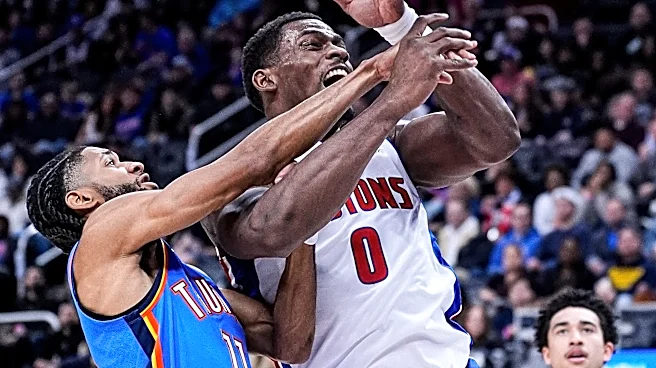
With Ishbia's definitive statement, the Phoenix Suns are expected to continue building around Devin Booker. The team will likely focus on optimizing the partnership between Booker and recent acquisitions like Dillon Brooks, as indicated by coach Jordan Ott. The Suns will need to strategically manage their roster within the confines of the NBA's second luxury tax apron, relying on cost-effective free agency additions and tactical retooling rather than blockbuster deals. For the Detroit Pistons, the door is closed on acquiring Booker, forcing them to explore other avenues to strengthen their roster, especially given ongoing contract negotiations with players like Jalen Duren and Ausar Thompson. The financial situation surrounding Ishbia's business will continue to be monitored, though assurances have been made that it will not affect the Suns' operations.
Beyond the Headlines
This situation underscores the increasing influence of team owners' personal financial dealings on the perception and stability of sports franchises. While Ishbia's business challenges are separate from the Suns' operations, the public's concern about a potential 'financial fallout' illustrates how interconnected these aspects can become in the public eye. The owner's willingness to publicly shut down trade rumors, even in the face of financial scrutiny, reflects a strategic move to maintain team morale and fan confidence. It also highlights the emotional and personal investment owners often have in their teams, as evidenced by Ishbia's strong declaration about Booker. This incident could set a precedent for how team owners address financial pressures and player loyalty in an era of heightened media scrutiny and player movement in professional sports.