




What's Happening?
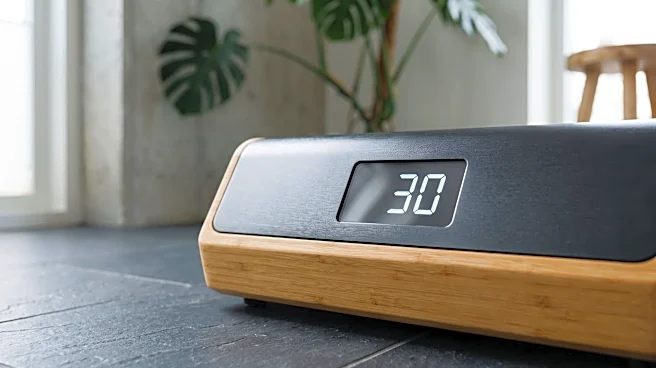
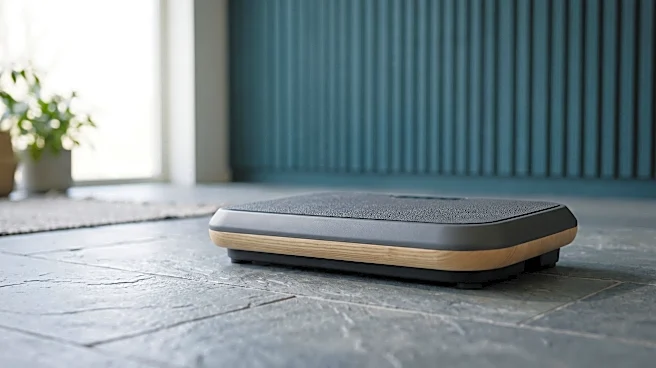
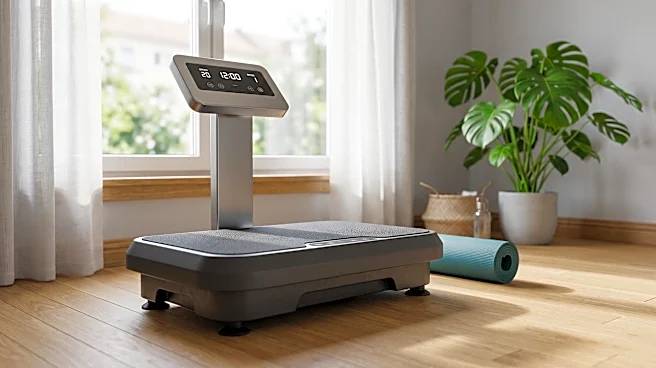
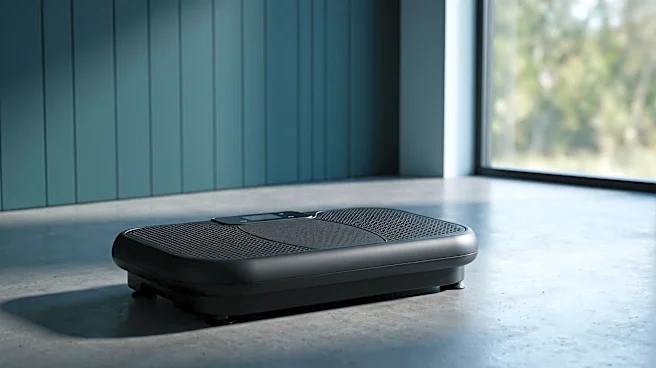
Gabby Windey, former star of the American reality dating show 'The Bachelorette,' recently disclosed on Instagram that she sustained a spinal injury while using a high-intensity vibration plate. Windey set the device to its highest level, 30, describing
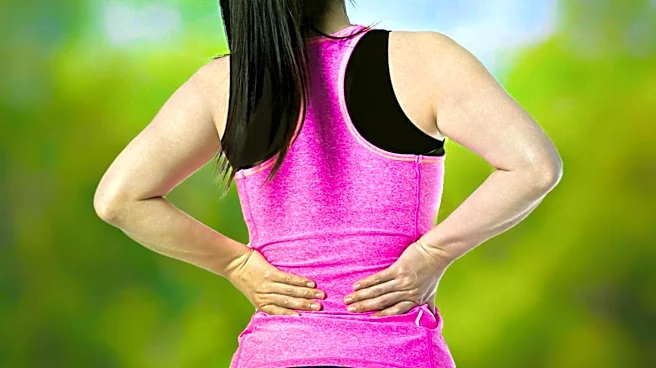
the speed as 'supersonic.' She reported feeling her vertebrae misalign and rub against each other, resulting in a cracked vertebra. The injury led to her hospitalization and caused severe nerve damage symptoms, including numbness, tingling, and intense pain akin to needles pricking her skin. Windey, 35, shared photos from her hospital bed and humorously referred to her condition as 'Broke back, no mountain,' emphasizing the severity of her pain and the legitimate need for a break from work. She speculated that the excessive vibration frequency, duration, and pressure contributed to the injury.
Why It's Important?
This incident highlights the potential risks associated with high-intensity exercise equipment, particularly vibration plates, when used improperly or excessively. While these devices are marketed for muscle activation and circulation, Windey's severe injury underscores the importance of adhering to safety guidelines and understanding one's physical limits. The widespread availability and promotion of such equipment for fitness and aesthetic purposes mean that consumers might unknowingly expose themselves to significant health hazards if not used cautiously. Her experience serves as a cautionary tale, prompting a reevaluation of the balance between pursuing fitness goals and ensuring personal safety, especially in an era where extreme self-care practices are often glorified on social media.
What's Next?
Following her injury, Gabby Windey will likely undergo a period of recovery and rehabilitation for her cracked vertebra and nerve damage. Her public disclosure may prompt increased awareness and discussion among users and manufacturers of vibration plates regarding safe usage protocols and potential risks. It could also lead to a closer examination of product instructions and warnings for such fitness equipment. For Windey, this experience has also led to a period of reflection on societal pressures regarding appearance and extreme fitness routines, suggesting a potential shift in her approach to self-care and public discourse on these topics.
Beyond the Headlines
Windey's injury transcends a mere personal health incident, touching upon broader societal themes of body image, self-care, and the pursuit of aesthetic ideals. Her humorous yet poignant reflection on why she pushed herself to such extremes subtly critiques the pressures individuals face to maintain a certain physique, often influenced by social media and celebrity culture. This event could spark a wider conversation about the fine line between self-improvement and self-harm in fitness, and the psychological underpinnings that drive individuals to potentially dangerous practices. It also raises questions about the responsibility of influencers and public figures in promoting health and wellness trends, and the need for transparency regarding potential risks.