



What's Happening?
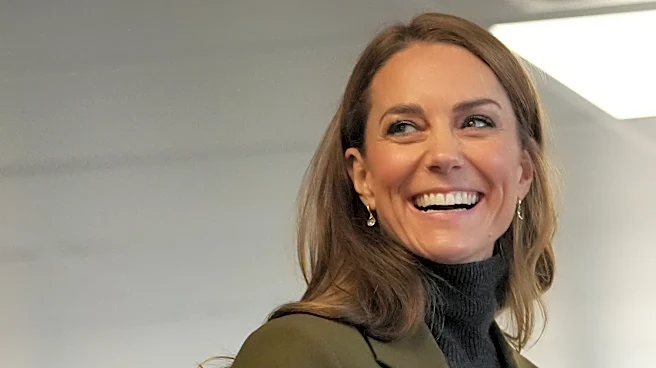
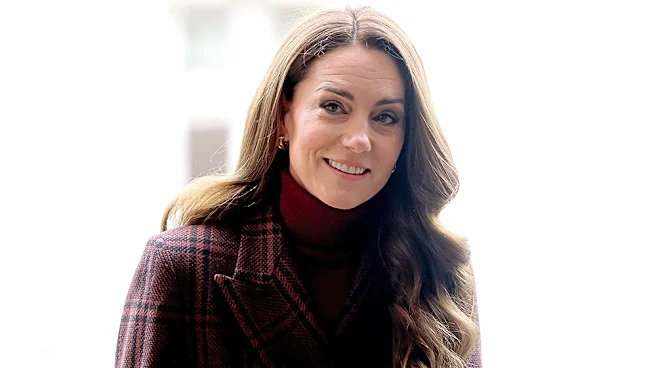
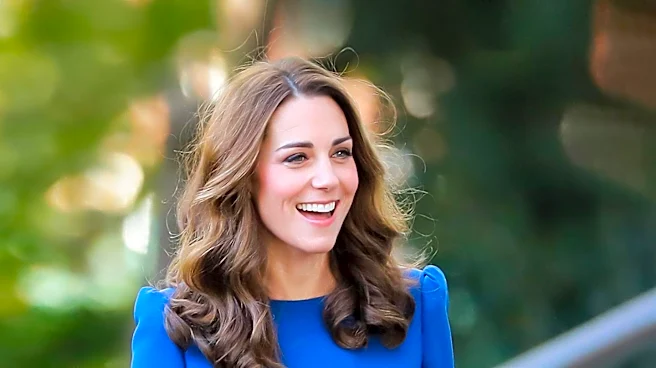
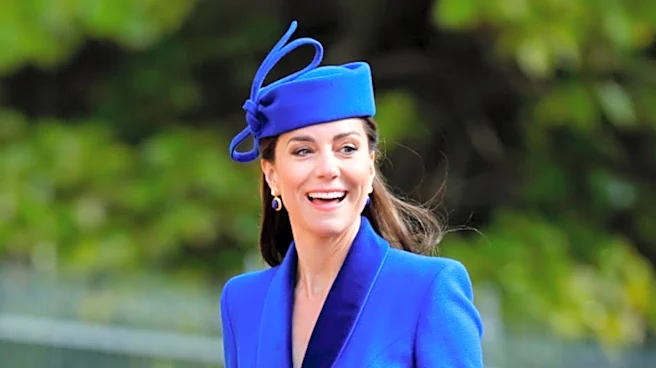
Kate Middleton, the Princess of Wales, has offered a deeply personal insight into her cancer journey in the trailer for her forthcoming documentary, 'Heal.' The documentary, set to be available on NBC on November 30, features Middleton discussing how
her 2024 cancer diagnosis fundamentally altered her life. In the trailer, released on November 21, she states, 'Cancer does change you. It changes your body. It changes you physically. But there's a much, much deeper part to what a cancer diagnosis shifts in you.' The documentary follows Middleton as she participates in the National Three Peaks Challenge, an endeavor to climb the highest mountains in Scotland, England, and Wales within 24 hours. This challenge is undertaken in support of The Royal Marsden Cancer Charity, an organization dedicated to funding cancer treatment and research. A clip from the documentary reveals a conversation between Middleton and her brother, James Middleton, where she mentions not having 'rung the bell' upon learning she was cancer-free in September 2024, with her brother suggesting the challenge could serve as her symbolic 'ringing of the bell.' Middleton publicly announced her diagnosis in March 2024 and confirmed her remission in January 2025.
Why It's Important?
This personal revelation from Kate Middleton carries significant weight, offering a rare glimpse into the private struggles of a prominent public figure battling a serious illness. Her decision to share her experience through a documentary can profoundly impact public perception of cancer, potentially reducing stigma and encouraging open conversations about the disease. For individuals facing similar health challenges, her story may provide comfort, solidarity, and inspiration. Furthermore, her participation in the National Three Peaks Challenge and the documentary's focus on The Royal Marsden Cancer Charity will likely draw substantial attention and support to cancer research and treatment initiatives. This increased visibility could lead to greater public engagement and fundraising efforts for cancer charities, ultimately benefiting patients and advancing medical science. Her candidness about the emotional and physical toll of cancer underscores the universal nature of such health battles, transcending her royal status and connecting with a broader audience on a deeply human level.
What's Next?
The documentary 'Heal' is scheduled for release on NBC on November 30, which will likely generate widespread public interest and discussion. Following its release, there may be increased media coverage and public discourse surrounding cancer awareness, early detection, and the emotional support systems available for patients and their families. The Royal Marsden Cancer Charity, the beneficiary of Middleton's challenge, can anticipate a surge in donations and public engagement, potentially leading to expanded funding for their research and treatment programs. It is also possible that Middleton's openness will inspire other public figures to share their health journeys, further normalizing discussions around serious illnesses. The documentary's impact could extend to healthcare advocacy, prompting conversations about patient support, mental health resources for cancer patients, and the importance of comprehensive care beyond medical treatment.
Beyond the Headlines
Kate Middleton's decision to document her cancer journey goes beyond a simple personal narrative; it represents a significant cultural moment in how public figures engage with personal health crises. By sharing her vulnerability, she challenges traditional notions of stoicism often associated with royalty and leadership, fostering a more empathetic and relatable public image. This move could set a precedent for how public figures navigate personal health challenges, shifting towards greater transparency and authenticity. Ethically, her story highlights the power of personal narrative in public health advocacy, demonstrating how individual experiences can galvanize collective action and support for critical causes. It also subtly addresses the societal pressure on individuals, particularly women, to maintain an image of unwavering strength, by openly acknowledging the profound and lasting changes brought about by a serious illness. This could contribute to a broader cultural shift towards valuing vulnerability and resilience in the face of adversity.