





What's Happening?
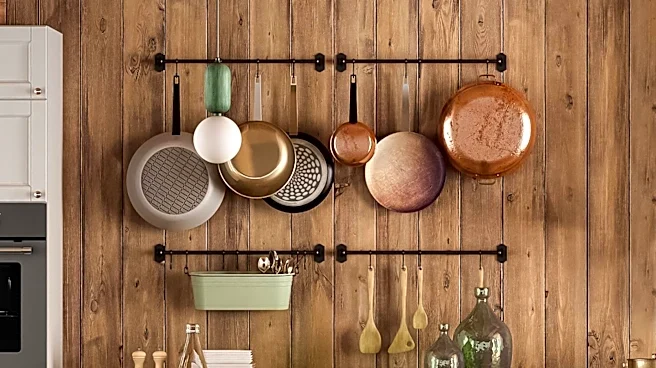
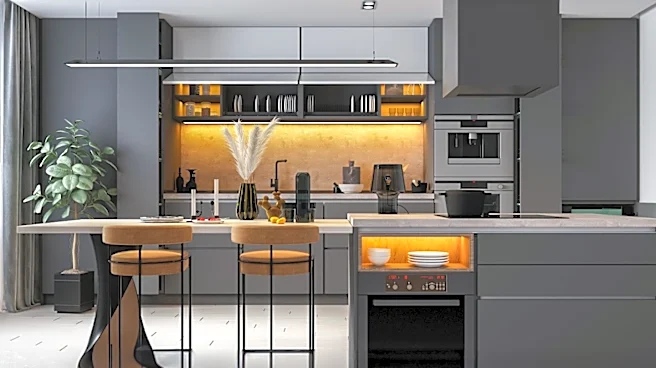
As 2024 progresses, homeowners are increasingly focusing on kitchen renovations that blend aesthetic appeal with advanced technology. Key trends include minimalist cabinet designs characterized by sleek lines, handle-less door fronts, and a clutter-free
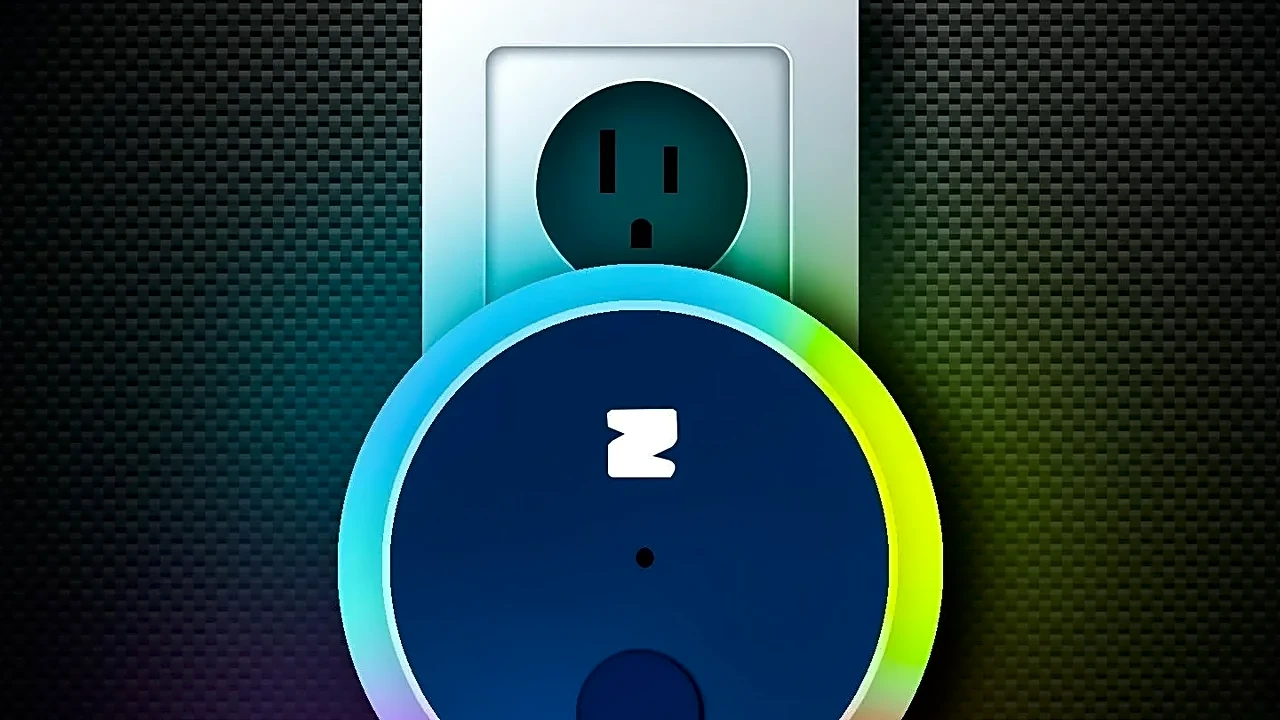
appearance. Alongside this, there's a growing preference for bold colors and varied textures in cabinetry, such as deep blues, greens, dark-toned woods, matte finishes, and glossy veneers. Smart storage solutions are also becoming standard, featuring pull-out racks, corner solutions, integrated waste sorting, and hidden charging stations to maximize space and maintain visual order. In terms of appliances, smart kitchen devices with Wi-Fi connectivity are gaining traction, allowing remote control via smartphone apps for enhanced convenience and efficiency. Energy-efficient models, particularly those with Energy Star ratings, are prioritized for their performance and ability to reduce utility costs. Appliance aesthetics are evolving to complement minimalist cabinetry, with stainless steel remaining popular, while matte black and brushed bronze finishes offer bold alternatives. Paneled appliances that match cabinetry are also being used to create seamless transitions and contribute to a streamlined design.
Why It's Important?
These trends signify a broader shift in U.S. home design towards integrating technology and sustainability into daily living spaces. The emphasis on smart kitchen appliances reflects a consumer desire for greater convenience and efficiency, potentially driving innovation and competition within the home appliance industry. Manufacturers that can effectively combine cutting-edge technology with energy-saving features will likely see increased market share. The move towards minimalist design and bold color palettes in cabinetry indicates evolving consumer tastes, influencing material suppliers, cabinet makers, and interior designers. This could lead to new product lines and design services catering to these preferences. Furthermore, the focus on energy efficiency aligns with broader environmental consciousness and could contribute to reduced household energy consumption nationwide, impacting utility providers and promoting sustainable living practices. The integration of smart storage solutions also highlights a demand for optimized living spaces, particularly relevant in urban areas where space is at a premium.
What's Next?
The continued evolution of smart home technology is expected to further integrate kitchen appliances into comprehensive home ecosystems, potentially leading to more sophisticated AI-driven functionalities and predictive maintenance. Appliance manufacturers will likely invest more in developing intuitive user interfaces and expanding the range of remotely controllable features. For home builders and remodelers, staying abreast of these design and technology trends will be crucial for meeting consumer demand. We can anticipate an increase in specialized design services that focus on creating integrated, smart, and aesthetically cohesive kitchen spaces. The market for energy-efficient appliances is also poised for growth, driven by both consumer demand and potential regulatory incentives for sustainable products. Additionally, as these technologies become more commonplace, there may be a greater need for skilled technicians capable of installing and maintaining complex interconnected kitchen systems.
Beyond the Headlines
The rise of connected kitchens and smart appliances extends beyond mere convenience, touching upon aspects of data privacy and cybersecurity. As more devices become interconnected and collect user data, concerns about how this information is stored, used, and protected will become increasingly prominent. This could lead to new regulations and industry standards for data security in smart home technology. Ethically, the push for energy efficiency and sustainable materials in kitchen design reflects a growing societal awareness of environmental impact, potentially influencing consumer behavior in other areas of home consumption. Culturally, the kitchen is transforming from a purely functional space into a highly personalized and technologically advanced hub, reflecting a modern lifestyle that values both efficiency and aesthetic appeal. This shift could also impact social dynamics within the home, as technology streamlines tasks and potentially frees up time for other activities.