





What's Happening?
Bally's, a regional casino operator, is actively seeking financing alternatives to maintain compliance with its creditor agreements. A recent Form 10-Q filing with the Securities and Exchange Commission (SEC) indicated 'substantial doubt' about the company's
ability to continue as a going concern without securing additional capital. This need for financing is largely driven by the planned $4 billion casino hotel project in the Bronx, New York, which is set to be Bally's most expensive undertaking to date. The company has already committed $800 million to the Bronx venture, but an additional $500 million is required to advance the project, where construction has not yet commenced. While the situation is not considered dire by some analysts, the company is exploring various options, including asset or equity sales, and debt financing, to raise the necessary funds.
Why It's Important?
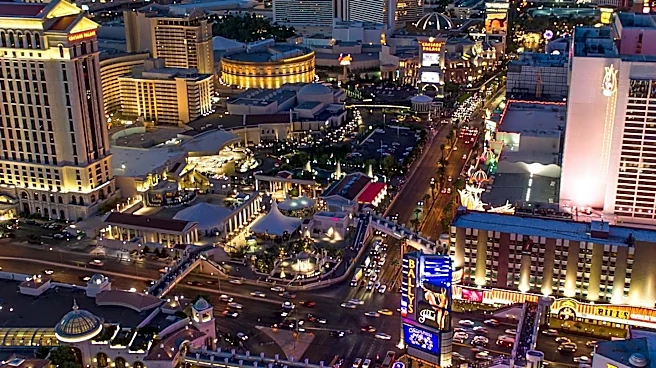
This development is significant for the U.S. gaming and hospitality industry, particularly for Bally's and its stakeholders. The potential sale of the Las Vegas Strip site, previously occupied by the Tropicana, could generate substantial capital for Bally's, impacting its financial stability and its ability to fund major projects like the Bronx casino. For investors and creditors, the company's efforts to raise capital are crucial for mitigating financial risks and ensuring long-term viability. The outcome of these financing efforts will also influence the competitive landscape of the casino industry, especially in New York, where the Bronx project represents a significant expansion. The situation highlights the financial pressures and strategic decisions faced by large-scale development projects in the current economic climate, affecting employment, local economies, and the broader real estate market in both Las Vegas and New York.
What's Next?
Bally's is expected to continue exploring various financing avenues, including asset monetization, equity sales, or debt financing. One potential next step involves the sale of its operating rights on the Las Vegas Strip site, which analysts suggest is the most likely asset to be divested or to have a development partner brought in. This is partly due to the language in recent releases, which mentions non-gaming amenities for the Las Vegas site but no longer refers to a casino. Alternatively, Bally's is reportedly assembling tenants for retail development at the Strip site, which could serve as a source of financing without an outright sale. The company's preferred resolution is to satisfy covenants through New York City financing for the Bronx project. The progress of the Bronx casino hotel, which requires an additional $500 million, will be a key indicator of Bally's financial health and strategic direction.
Beyond the Headlines
The situation at Bally's underscores a broader trend in the U.S. casino industry where operators are balancing ambitious expansion plans with significant capital requirements and evolving market dynamics. The potential sale of the Las Vegas Tropicana site, a historic location, reflects a strategic shift towards optimizing asset portfolios and focusing on high-growth markets like New York. This move could set a precedent for other gaming companies facing similar financial pressures, leading to a re-evaluation of their real estate holdings and development strategies. The reliance on asset sales or external financing for large-scale projects also highlights the increasing cost of entry and expansion in the competitive gaming sector. Furthermore, the emphasis on non-gaming amenities at the Las Vegas site suggests a diversification strategy, moving beyond traditional casino operations to broader entertainment and retail offerings, which could reshape urban development and tourism in key U.S. cities.