






What's Happening?
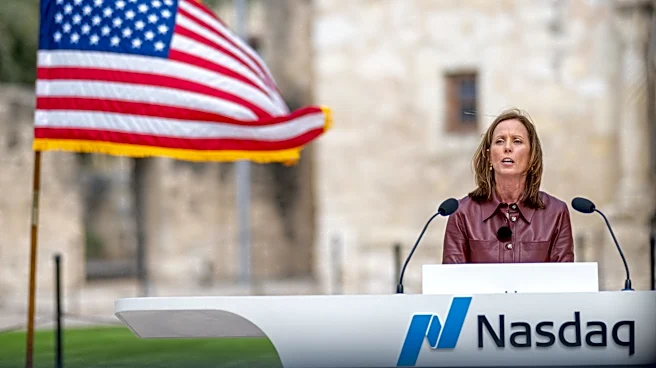
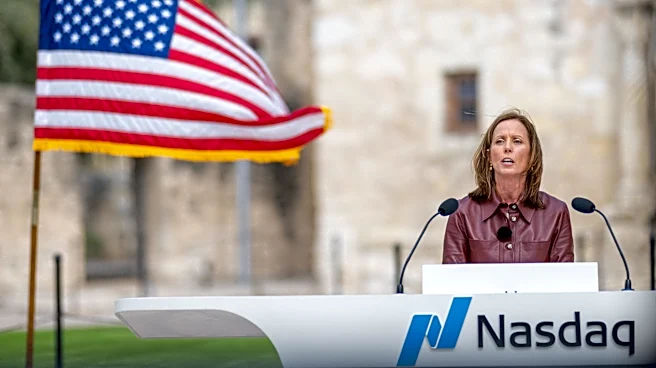
Anthropic, an AI company, recently went public on Nasdaq, resulting in its seven co-founders becoming billionaires, with individual net worths reaching approximately $20 billion each. Following the IPO, the co-founders collectively made a nonbinding pledge
to dedicate 80% of their personal equity in Anthropic to philanthropic causes, an estimated $112 billion commitment based on the IPO price. However, the company's prospectus clarifies that these commitments are 'voluntary, revocable expressions' of philanthropic intent and not legally binding obligations. The timing, amount, recipients, structure, and manner of any donations are uncertain and depend on various factors, including individual circumstances and market conditions. The prospectus also indicates that these pledges can be satisfied through donations to charitable organizations or wealth-warehousing vehicles like donor-advised funds and private foundations. Anthropic's share price has since fallen nearly 28% from its opening price, reducing the value of this commitment.
Why It's Important?
This philanthropic pledge by Anthropic's co-founders holds significant implications for the future of AI-related philanthropy and the broader charitable landscape. If fully realized, the $112 billion commitment could represent an unprecedented influx of funds into philanthropic causes, potentially shaping responses to the societal impacts of AI. However, the nonbinding nature of the pledge and the flexibility in how it can be fulfilled raise questions about its ultimate impact. The use of donor-advised funds (DAFs) could mean that funds are warehoused for extended periods before reaching working nonprofits, limiting immediate charitable impact. The situation also highlights a growing trend of tech billionaires making large, yet often conditional, philanthropic promises, prompting discussions about accountability and transparency in high-net-worth giving. The potential for these funds to address AI safety risks or workforce displacement, as suggested by some co-founders, could significantly influence the direction of AI development and its integration into society.
What's Next?
The immediate next steps involve monitoring how Anthropic's co-founders choose to fulfill their philanthropic pledges. While the commitments are nonbinding, public and philanthropic sector scrutiny will likely focus on the transparency and effectiveness of their giving. The company itself has established a $200 million Economic Futures Research Fund and committed 5% of its public benefit corporation shares to the Anthropic Public Benefit Fund, with a focus on preparing society for AI's economic impacts. Additionally, Anthropic committed $50 million to a DAF at the San Francisco Foundation to support Bay Area organizations, with grants expected by the end of 2027. These actions may offer clues to the co-founders' individual giving strategies. The performance of Anthropic's stock will also influence the actual value of the pledged equity, potentially affecting the scale of future donations. The broader tech industry and philanthropic community will be watching to see if this event sets a new precedent for large-scale, AI-driven philanthropy or if it reflects existing patterns of delayed or less transparent giving.
Beyond the Headlines
The Anthropic co-founders' philanthropic pledges underscore a critical ethical dimension within the rapidly advancing field of artificial intelligence. As AI technologies develop, concerns about their potential societal disruptions, including job displacement and existential risks, are growing. The co-founders' acknowledgment of these risks, particularly Christopher Olah's statement about supporting workers displaced by AI as a 'moral imperative,' suggests a recognition of the broader responsibilities that come with developing powerful AI. The debate over whether these pledges will genuinely address urgent societal needs or primarily serve as wealth-warehousing mechanisms highlights a tension between corporate philanthropy and effective altruism. This situation could influence future regulatory discussions around AI development, potentially encouraging more proactive measures from tech companies to mitigate negative societal impacts. It also raises questions about the role of private wealth in addressing public challenges, especially when the wealth is generated from technologies with profound and potentially disruptive implications.