







What's Happening?
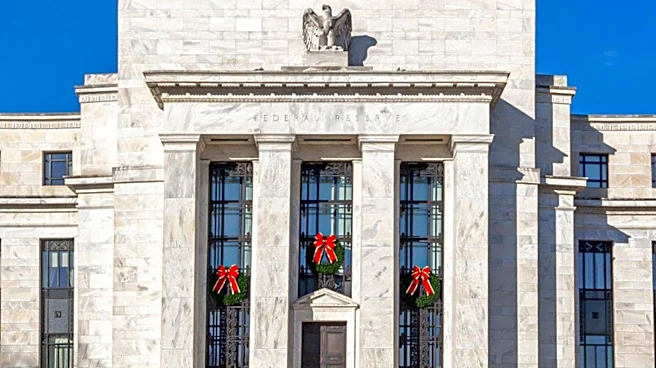
According to the Federal Reserve's 2025 Survey of Consumer Finances, approximately 77% of U.S. families held some form of debt, a figure that has remained largely stable since 2022. This triennial survey, conducted by the Federal Reserve Board, offers
comprehensive insights into the financial status of U.S. households. While the overall proportion of families with debt has not significantly changed, the data indicates a rise in debt burden for a segment of the population. Specifically, the share of families whose debt-payment obligations exceed 40% of their income increased from 6.5% in 2022 to 8.6% in 2025. One Payment Plan Inc., a U.S. financial services comparison platform, highlighted these findings as crucial context for consumers assessing significant unsecured debt. The company plans to continue monitoring Federal Reserve consumer-finance data to inform its understanding of the debt relief landscape.
Why It's Important?
The Federal Reserve's findings underscore the pervasive nature of debt within U.S. households and signal a growing financial strain for a notable portion of the population. The increase in families dedicating over 40% of their income to debt payments suggests a heightened risk of financial instability and potential defaults, which could have broader implications for the U U.S. economy. For financial service providers like One Payment Plan Inc., this data provides valuable insights into consumer needs and the demand for debt relief solutions. Businesses in the financial sector may see an increased need to offer accessible and transparent options for debt management, consolidation, and settlement. Conversely, this trend could indicate a challenging environment for consumers, potentially leading to reduced discretionary spending and impacting various sectors of the economy.
What's Next?
The continued monitoring of Federal Reserve consumer-finance data by organizations like One Payment Plan Inc. suggests an ongoing focus on understanding and addressing household debt. Consumers facing significant unsecured debt are likely to seek out and evaluate various debt relief options, including debt settlement, debt management, and consolidation. Financial service providers will likely continue to refine their offerings and educational resources to meet this demand. Policy discussions may also emerge regarding consumer protection and financial literacy initiatives, especially if the trend of increasing debt burden persists. The next iteration of the Survey of Consumer Finances will be crucial in determining whether these trends continue or if there are shifts in household debt patterns.
Beyond the Headlines
The persistent high percentage of U.S. households carrying debt, coupled with the rising debt burden for a significant minority, points to deeper societal and economic challenges. This situation can exacerbate wealth inequality, as those with higher debt-to-income ratios may struggle to build savings or invest, perpetuating a cycle of financial vulnerability. The ethical implications for financial institutions involve ensuring responsible lending practices and transparent communication about debt relief options. Culturally, the normalization of debt in American society may warrant re-evaluation, prompting discussions about financial education from an early age and the societal pressures that contribute to accumulating debt. Long-term, a sustained increase in household debt burden could impact national economic resilience and individual well-being.