





What's Happening?
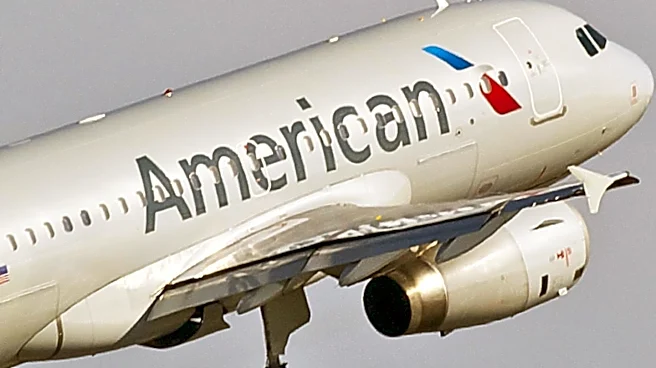
American Airlines recently received four Airbus A321 aircraft in late October, including three A321neo and one A321XLR, bringing its total of next-generation A321s to 100. The latest A321XLR delivery marks the 11th of its type in American's fleet. The airline
anticipates four more Airbus deliveries before the end of 2026, comprising three A321neo and one additional A321XLR, maintaining its consistent incorporation pace despite manufacturer delays. The A321XLR, with its extended range of up to 8,700 kilometers, allows for flights up to 11 hours and is configured with 155 seats, including 20 Flagship suites. The standard A321neo, with 196 seats, serves high-density domestic routes. American Airlines has been deploying the A321XLR on transcontinental routes since December 2025 and introduced its first international route with the aircraft in March 2026, flying from JFK to Edinburgh.
Why It's Important?
The expansion of American Airlines' A321 fleet, particularly with the A321XLR, is a strategic move to enhance its network capabilities and operational efficiency. The A321XLR allows the airline to open new transatlantic routes with medium demand without deploying larger, more costly widebody aircraft like the 787. This provides greater flexibility in route planning and potentially higher profitability on certain international segments. By replacing older Boeing 757s and A321s, the new aircraft contribute to fleet modernization, which typically results in improved fuel efficiency and reduced operating costs. This fleet renewal also strengthens American's competitive position in both domestic high-density corridors and emerging international markets, offering passengers modern amenities and potentially more direct flight options. The airline's ability to maintain its delivery pace despite manufacturer delays also signals its commitment to its long-term fleet strategy.
What's Next?
American Airlines has outlined an ambitious schedule for its A321XLR fleet, with four new European routes assigned for 2027: JFK–Amsterdam, JFK–Nice, Philadelphia–Porto, and Philadelphia–Vienna. The airline will also expand year-round A321XLR service on routes like JFK–Barcelona and utilize the aircraft on specific routes during the northern winter. These deployments indicate a clear strategy to leverage the A321XLR's capabilities for transatlantic expansion and optimization of its international network. American Airlines is also actively negotiating a widebody order with both Airbus and Boeing to define the future of that fleet, while single-aisle deliveries continue to support the renewal of its domestic network. The airline's 2026 delivery plan was adjusted to 48 aircraft from an initial 55, primarily due to no 787-9s arriving before 2027, and its 115 Boeing 737 MAX 10s remain uncertified with deliveries scheduled for 2029 or later.
Beyond the Headlines
The strategic deployment of the A321XLR by American Airlines signifies a broader trend in the aviation industry towards more efficient, long-range single-aisle aircraft. This shift allows airlines to bypass traditional hub-and-spoke models for certain international routes, enabling direct flights from secondary cities and potentially creating new market opportunities. The increased use of smaller, more fuel-efficient aircraft on transatlantic routes could also lead to a re-evaluation of fleet composition by other major carriers, influencing future aircraft orders and manufacturing priorities. Furthermore, the enhanced passenger experience offered by modern aircraft like the A321XLR, with features such as Flagship suites, could intensify competition for premium travelers on these routes. This move also reflects airlines' efforts to balance capacity with demand more precisely, reducing the risk of flying larger, less-filled widebody jets on routes that don't warrant them.