




What's Happening?
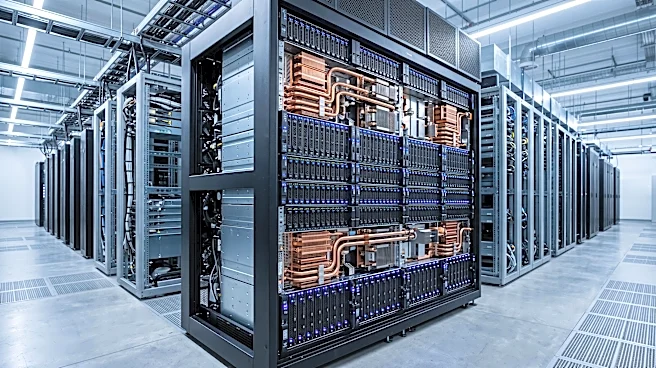
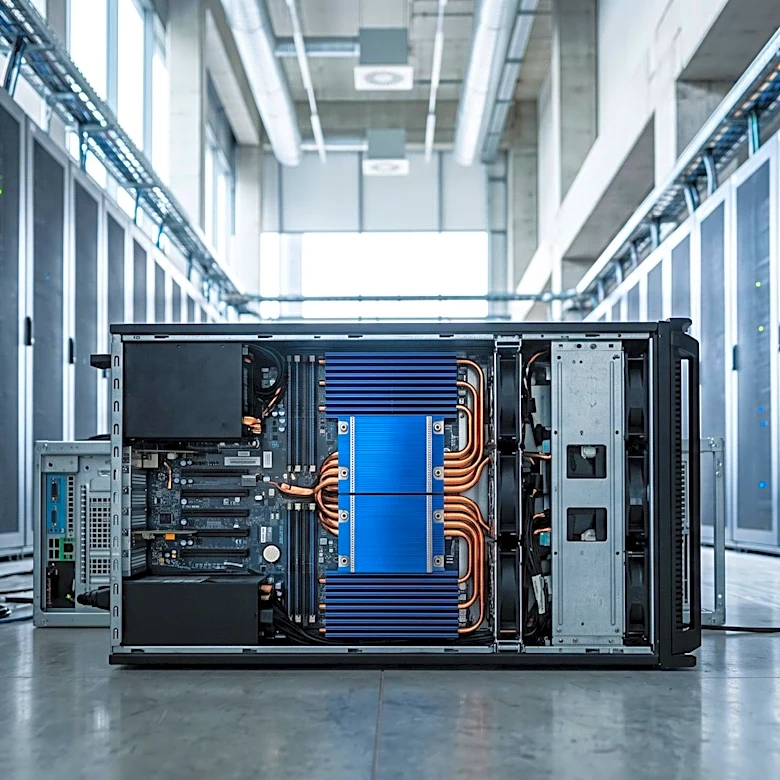
François Chollet, known for his work on Keras and the ARC benchmark, has publicly stated that the AI compute infrastructure buildout is currently underbuilt rather than overbuilt. He views the present conditions as a "rare buying opportunity" and has conceded
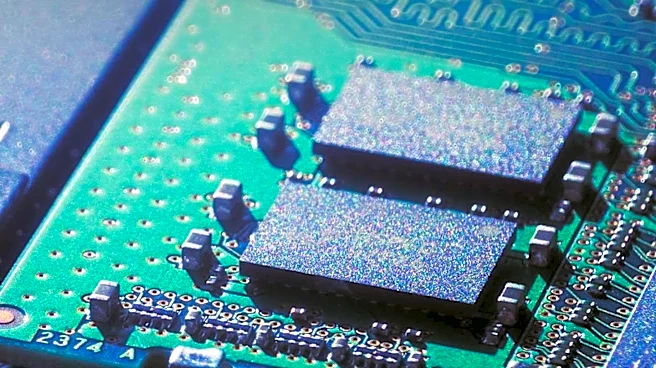
to the demand-side case for AI infrastructure, a position he had previously resisted. Chollet's analysis points to rising GPU spot prices, HBM and DRAM memory being sold out through 2029 with tightness extending into the 2030s, and frontier training compute doubling approximately every five months. He also highlights 70–85% inference gross margins against geometrically growing demand. This endorsement from a prominent technical skeptic of the 'scaling is all you need' hypothesis for general intelligence is significant, as his own research program at Ndea is founded on the premise that LLM scaling is not the definitive path to general intelligence. His concession specifically validates the industrial capacity buildout, not the scaling hypothesis itself.
Why It's Important?
Chollet's shift in perspective is crucial for the U.S. technology and investment sectors. His endorsement of the AI infrastructure buildout, despite his skepticism regarding LLM scaling as a path to general intelligence, narrows the room for dissent on compute demand among credentialed experts. This could bolster investor confidence in companies involved in AI hardware and infrastructure, such as memory makers (SK Hynix, Micron, Samsung), TSMC, and Nvidia, by suggesting multi-year earnings visibility for HBM suppliers and strengthening their pricing power. However, the profitability of this buildout for model labs remains a point of contention. The high inference margins (70–85%) are critical for converting tokens into a fundable business, but these margins are vulnerable to open-weight competition, which could drive down the price per token. If open models continue to reduce costs significantly, the profitability of inference at current prices could diverge, impacting the bull case for AI investments.
What's Next?
The market will likely observe how the balance between physical demand for AI compute and the profitability of AI models evolves. The continued tightness in memory supply through 2029 suggests sustained demand for hardware components, which could lead to further investments in manufacturing and supply chain optimization. However, the impact of open-weight AI models on inference pricing will be a critical factor to watch. If these models continue to drive down the cost per token, it could pressure the profit margins of AI service providers and influence investment strategies. The distinction between validating the industrial capacity buildout and endorsing the scaling hypothesis will remain a key point of discussion among AI researchers and investors, potentially shaping future research directions and funding allocations in the AI sector.
Beyond the Headlines
Chollet's statement highlights a deeper tension within the AI industry: the distinction between the need for robust computing infrastructure and the theoretical path to artificial general intelligence. While the demand for compute power is undeniable and growing, the long-term implications of relying solely on LLM scaling for advanced AI capabilities are still debated. This situation could lead to a bifurcated investment landscape, with strong support for hardware and infrastructure companies, while investments in AI model development might become more discerning, favoring approaches that demonstrate efficiency and novel pathways beyond sheer scale. The ethical and societal implications of this infrastructure buildout, particularly concerning energy consumption and resource allocation, will also become increasingly prominent as the scale of AI operations continues to expand.