



What's Happening?
The Fit Class, an AI personal trainer application, is providing users with personalized workout plans, nutrition guidance, and ongoing coaching. Unlike basic AI workout generators, The Fit Class is designed to offer continuous support, adapting training
programs based on user progress and feedback. It creates customized workout plans considering fitness goals, training location (home or gym), available equipment, frequency, experience level, session length, exercise preferences, and any injuries or limitations. The app also provides personalized nutrition guidance and meal plans tailored to individual goals, lifestyle, and dietary preferences. Users can track workouts, record lifts, and review their training history, with the AI coach offering weekly guidance and answering questions about exercises, training, or nutrition.
Why It's Important?
This AI personal trainer represents a significant advancement in accessible fitness and wellness solutions within the U.S. It democratizes personalized coaching, making it available to a broader audience who might not have the resources for a traditional human personal trainer. For individuals, this means a structured, adaptable, and affordable way to achieve fitness goals, whether it's weight loss, muscle gain, strength improvement, or general fitness. For the fitness industry, it signifies a shift towards technology-driven, individualized programs, potentially expanding the market beyond traditional gym memberships and personal training sessions. The continuous adaptation feature of The Fit Class is crucial, as it addresses a common pitfall of generic workout plans by ensuring the program remains relevant and challenging as the user progresses, thereby increasing the likelihood of sustained engagement and results.
What's Next?
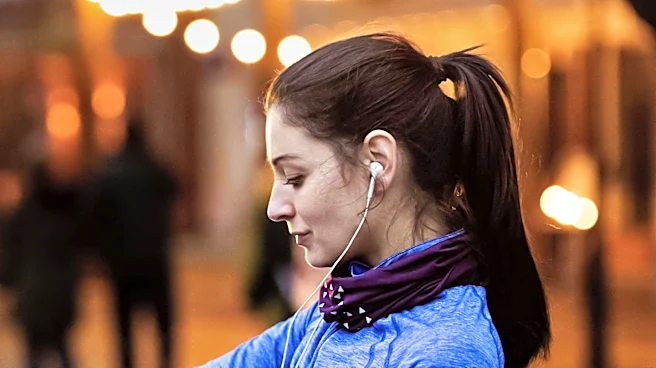
The future development of AI personal trainers like The Fit Class will likely involve deeper integration with biometric data from wearables, allowing for real-time adjustments to workouts based on heart rate, recovery, and performance metrics. We can anticipate more sophisticated AI models that can predict potential injuries or plateaus and proactively modify training. The scope of coaching may also expand to include mental and emotional aspects of fitness, such as motivation and stress management, creating a more holistic wellness platform. As these technologies evolve, there will be a growing need for scientific validation of their effectiveness and for clear guidelines on data privacy and ethical AI use in personal health. Competition in this space is expected to intensify, leading to more specialized AI fitness solutions catering to specific demographics or athletic pursuits.
Beyond the Headlines
The emergence of AI personal trainers like The Fit Class raises broader questions about the evolving relationship between humans and technology in personal development. While offering undeniable benefits in accessibility and personalization, it also prompts reflection on the value of human connection and empathy in coaching. The psychological impact of being coached by an AI, particularly in areas requiring motivation and emotional support, is a nuanced aspect that warrants further exploration. There's also the potential for a widening gap between those who can afford advanced AI fitness tools and those who cannot, exacerbating existing health disparities. Furthermore, the reliance on algorithms for personalized health advice underscores the importance of ensuring these AI systems are built on diverse and unbiased data to avoid perpetuating existing biases in fitness and nutrition recommendations.