






What's Happening?
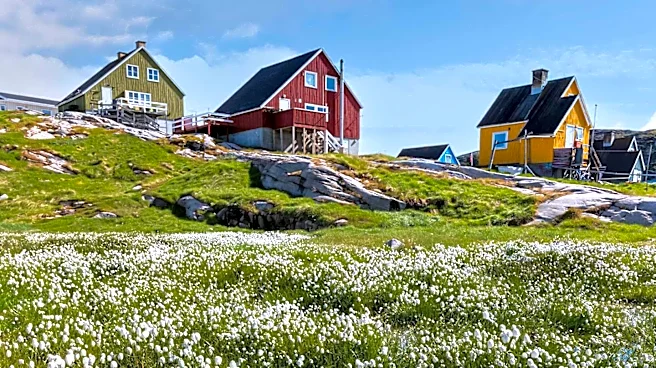
Greenland has been identified as the most expensive travel destination globally in 2026, according to an analysis by travel insurance marketplace Squaremouth. The report, which examined costs across 50 popular vacation spots, found that airfare to Greenland averages
$1,357, with daily expenses once there reaching approximately $1,171. This makes the Arctic destination significantly pricier than others on the list. Following Greenland, the British Virgin Islands, French Polynesia, and Antarctica also feature prominently among the most costly places to visit. The British Virgin Islands are noted for high hotel rates averaging $1,137 per night, contributing to daily costs of $925. French Polynesia recorded some of the highest average hotel prices at $1,382 per night. Antarctica, while ranking fourth overall, had the highest average trip cost at $1,511 per day, largely due to the specialized expedition travel required. Overall, travel prices have increased by nearly 10% over the past year, according to the U.S. Travel Association, making bucket-list destinations more expensive.
Why It's Important?
The rising cost of travel, particularly to remote and luxury destinations, has significant implications for the U.S. travel industry and American consumers. The nearly 10% increase in travel prices over the past year means that aspirational 'bucket-list' trips are becoming less accessible for many, potentially shifting travel patterns towards more affordable domestic or regional options. For travel agencies and tour operators specializing in high-end or exotic locales, this trend could lead to a more niche market, focusing on travelers with substantial disposable income. Conversely, destinations that offer more budget-friendly experiences might see an increase in demand. The report highlights that remote destinations inherently come with higher price tags due to logistical challenges and the unique experiences they offer, suggesting that the allure of exclusivity continues to drive demand despite escalating costs. This dynamic could also influence financial planning for travelers, encouraging earlier and more disciplined savings strategies, such as the 52-week savings challenge, to afford these increasingly expensive trips.
What's Next?
As travel costs continue to climb, potential travelers to these high-cost destinations will likely need to engage in more rigorous financial planning. The recommendation to start saving early, possibly through methods like the 52-week savings challenge, suggests a shift towards long-term financial preparation for vacations. This could lead to an increased interest in financial literacy resources related to travel. For the travel industry, there may be a growing emphasis on offering flexible payment plans or bundled packages that help mitigate the upfront shock of high prices. Additionally, as the cost of these top-tier destinations becomes prohibitive for some, there could be a rise in demand for 'look-alike' or more accessible alternatives that offer similar experiences at a lower price point. Travel insurance providers might also see an increased demand for comprehensive policies as travelers seek to protect their significant investments in these expensive trips, especially given the non-refundable nature of many bookings.
Beyond the Headlines
The trend of escalating travel costs to exotic and remote locations reflects broader economic shifts, including inflation, increased demand for unique experiences, and the logistical complexities of reaching less-traveled areas. This phenomenon could exacerbate the divide between luxury travel, accessible only to the affluent, and more mainstream tourism. It also raises questions about the sustainability of such high-cost tourism, both environmentally and economically, as these destinations might become overly reliant on a small segment of wealthy travelers. The emphasis on 'bucket-list' travel, despite the high price tag, points to a cultural value placed on experiential consumption and the desire for unique, Instagrammable moments. This could lead to a re-evaluation of what constitutes 'value' in travel, moving beyond mere cost to include exclusivity, environmental impact, and the authenticity of the experience. Furthermore, the report implicitly highlights the role of travel insurance as an increasingly vital component of planning expensive trips, underscoring the financial risks associated with high-cost, non-refundable bookings.