





What's Happening?
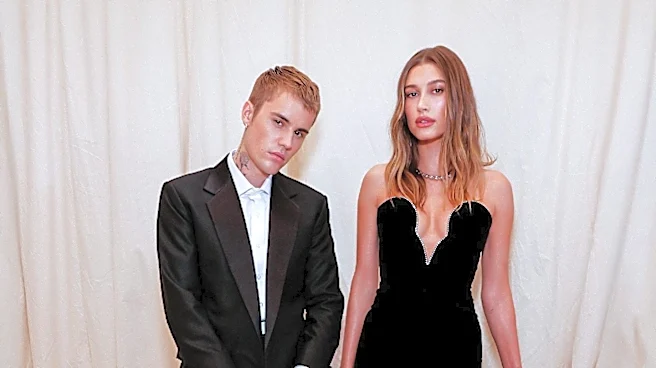
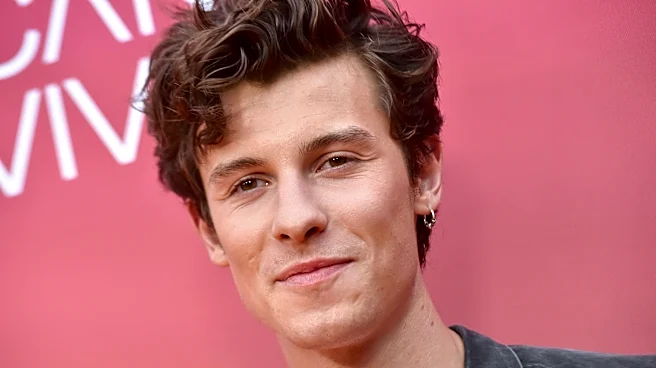
A rumor circulating on social media platforms, particularly X (formerly Twitter), claimed that singer Justin Bieber experienced a breakdown after his wife, Hailey Bieber, allegedly posted an Instagram story showing her kissing Shawn Mendes. The rumor gained
significant traction, with a post on X garnering over two million views and being amplified across Facebook and Instagram. The post included screenshots purportedly showing Hailey's Instagram story with Mendes and Justin Bieber's story with teary eyes, accompanied by text suggesting he regretted not staying with Selena Gomez. However, a fact-check has confirmed that this claim is entirely fabricated. There is no evidence of Hailey Bieber kissing Shawn Mendes, nor are there any credible reports of Justin Bieber having a breakdown over such an incident. Instagram stories are ephemeral, lasting only 24 hours, making direct verification difficult, but the absence of widespread reporting from reputable news and entertainment outlets further discredits the claim.
Why It's Important?
This incident highlights the pervasive issue of misinformation and fabricated content on social media, particularly concerning public figures. The rapid spread of such rumors can significantly impact the personal lives and public perception of celebrities, leading to unwarranted scrutiny and online harassment. For the public, it underscores the critical need for media literacy and skepticism when encountering sensational claims online. The ease with which false narratives can be created and disseminated on platforms like X demonstrates the challenges in distinguishing truth from fiction in the digital age. This can erode trust in online information sources and contribute to a culture of speculation rather than verified facts, affecting how individuals consume and interpret news about entertainment and public figures.
What's Next?
While the immediate rumor has been debunked, the broader issue of celebrity-focused misinformation on social media is likely to persist. Social media platforms face ongoing pressure to implement more effective measures to combat the spread of false information, though the nature of user-generated content makes this a continuous challenge. For public figures like the Biebers, managing their online presence and addressing false narratives will remain a part of their public life. The incident may also prompt further discussions among media consumers about the responsibility of sharing unverified information and the potential harm it can cause. It serves as a reminder for individuals to critically evaluate sources and seek corroboration from credible news outlets before accepting or sharing information.
Beyond the Headlines
The incident touches upon the ethical implications of creating and spreading satirical or engagement-driven content that can be misinterpreted as factual. The X account that originated the claim, while not explicitly a parody account, has a history of similar fabricated celebrity claims, suggesting an intent to generate engagement, possibly at the expense of truth. This raises questions about the fine line between satire and misinformation, and the responsibility of content creators to clearly label their work to prevent confusion. Furthermore, Hailey Bieber's recent public statements about the intense online hate and scrutiny she faced underscore the psychological toll that such rumors and public speculation can have on individuals, regardless of their celebrity status. The constant barrage of negativity and false accusations can significantly impact mental health, highlighting a darker side of digital interaction.