




What's Happening?
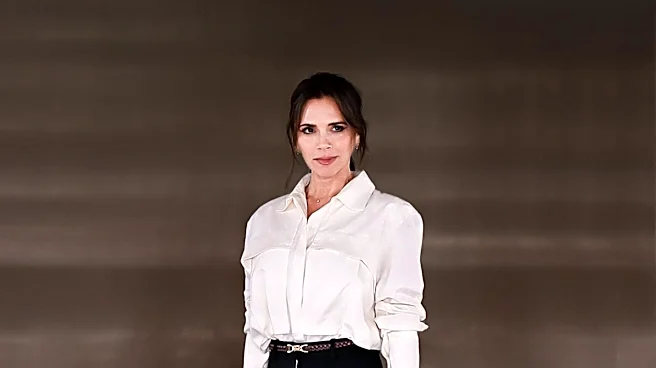
Victoria Beckham has reportedly transferred the trademark rights of her eldest son, Brooklyn Beckham's name, back to him. This action, which occurred on November 17, makes Brooklyn the sole owner of the UK trademark for his name. Victoria Beckham initially
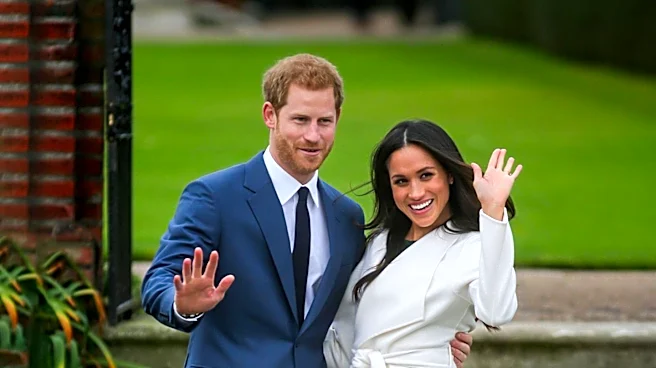
registered the trademark in 2016 when Brooklyn was 17, a practice she is believed to have extended to her other children to protect their personal brands from commercial misuse. The transfer comes amidst a period of estrangement between Victoria and Brooklyn, which began after Brooklyn publicly accused his parents of controlling his life and attempting to interfere with his relationship with his wife, Nicola Peltz. He made strong statements in January, alleging that his parents manipulated media narratives and prioritized their 'Brand Beckham' over family relationships. The decision to relinquish control of the trademark is seen as an effort by Victoria to mend the strained relationship with her son.
Why It's Important?
This development highlights the complexities of managing personal brands within high-profile families, particularly when adult children seek independence from established family enterprises. For Brooklyn Beckham, gaining full control over his name's trademark signifies a step towards greater autonomy in managing his public image and commercial ventures, free from parental oversight. For Victoria Beckham, the move could be interpreted as a significant gesture of reconciliation, potentially signaling a shift in family dynamics and an acknowledgment of her son's desire for independence. The public nature of the family's dispute and this subsequent action also sheds light on the pressures and expectations placed upon individuals within celebrity families, where personal identities often intersect with commercial branding. The outcome of this gesture could influence future interactions and potentially set a precedent for how other public figures navigate similar family and brand management challenges.
What's Next?
The immediate next steps will likely involve observing how Brooklyn Beckham utilizes his newly acquired control over his personal brand and whether this gesture leads to a tangible improvement in his relationship with his mother, Victoria Beckham. It remains to be seen if this act of relinquishing the trademark will be sufficient to bridge the rift that has developed between them, especially given Brooklyn's previous strong statements about not wanting to reconcile. Further public statements or actions from either Brooklyn or Victoria could provide more insight into the effectiveness of this move. The transfer of trademark ownership could also open new avenues for Brooklyn's independent commercial endeavors, potentially leading to new brand partnerships or projects under his sole control. The broader public and media will likely be watching for signs of reconciliation or continued distance within the Beckham family.
Beyond the Headlines
Beyond the immediate family dynamics, this situation touches upon broader themes of generational autonomy, intellectual property rights within families, and the evolving nature of celebrity branding. The initial registration of children's names as trademarks by parents, while intended for protection, can later become a point of contention as those children mature and seek to define their own identities and careers. This case underscores the potential for conflict when parental protective measures clash with an adult child's desire for self-determination. Ethically, it raises questions about the extent of parental control over a child's public persona and commercial potential, even when well-intentioned. Legally, it highlights the importance of clear agreements and transfers of intellectual property as individuals within a family grow and their professional paths diverge. This event could serve as a case study for other high-profile families navigating similar challenges, prompting discussions about how to balance protection with fostering independence.