


What's Happening?
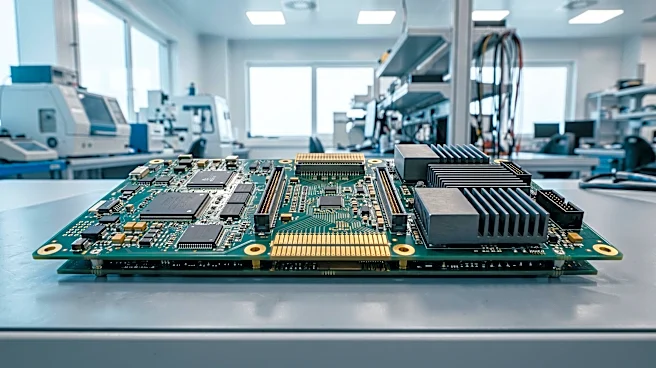
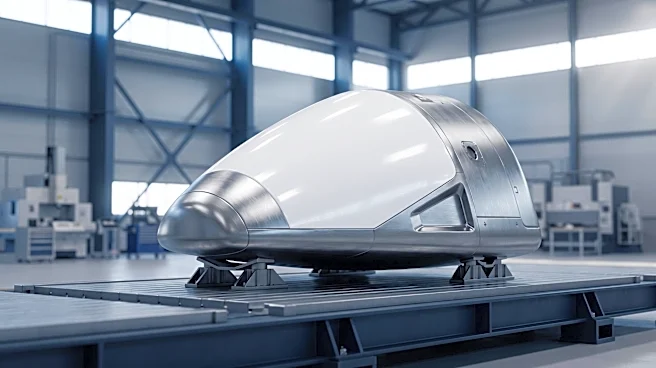
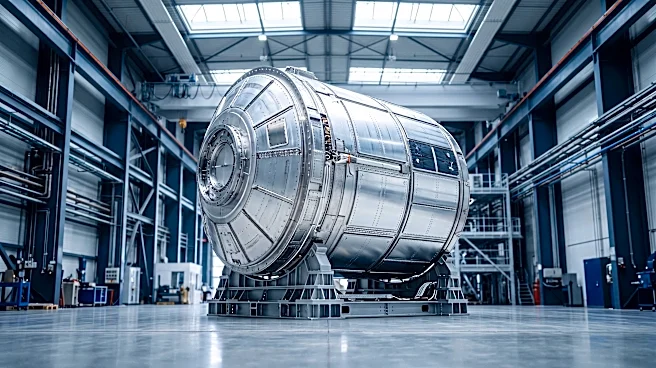
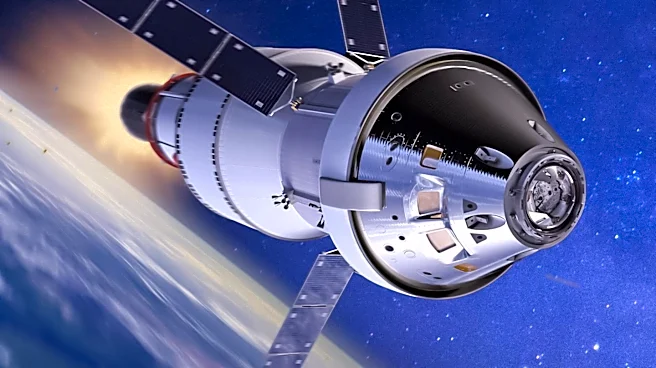
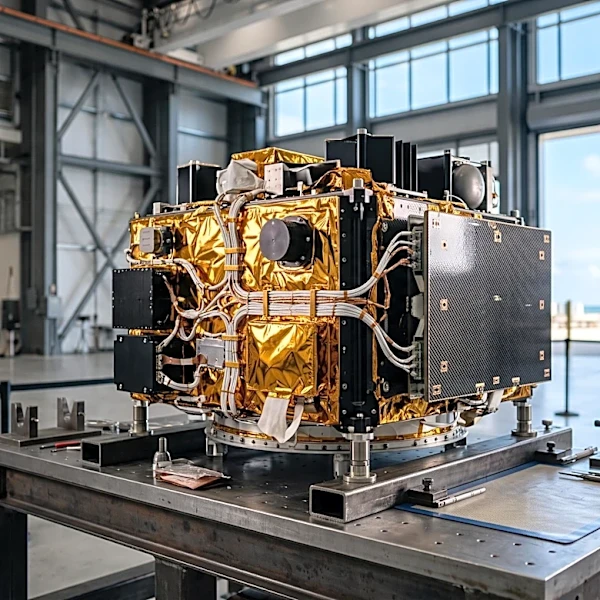
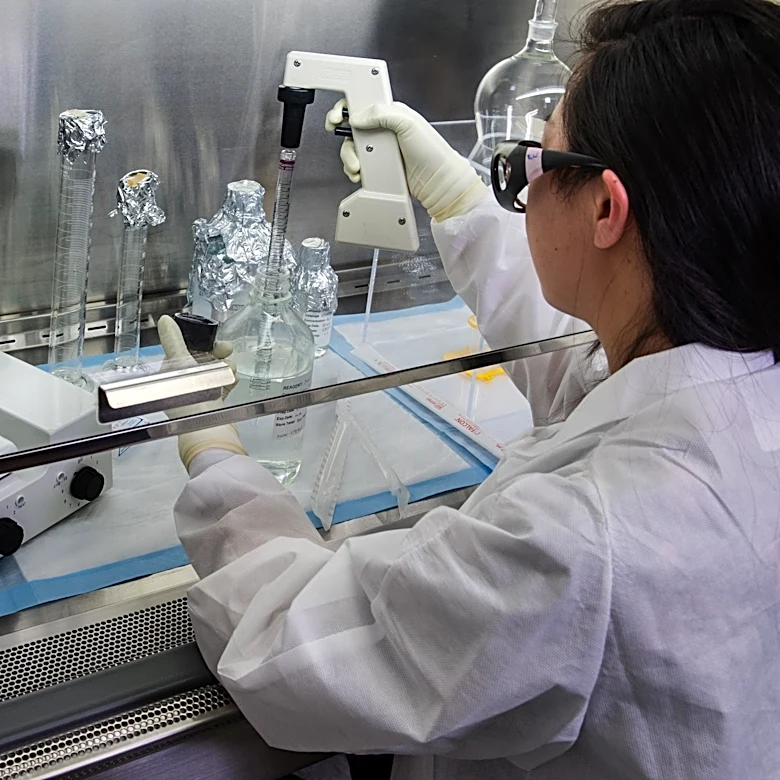
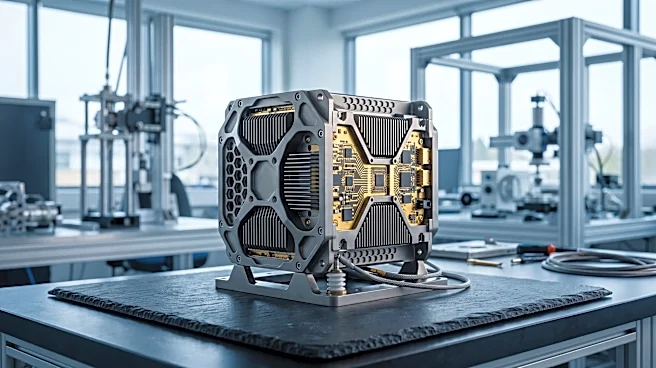
Varda Space Industries, a company specializing in microgravity-enabled life sciences, is independently designing, building, and operating its W-Series vehicles. This includes the pharmaceutical processing payloads, reentry capsules, C-PICA heat shields,
and satellite buses. Founded in January 2021 by Will Bruey and Delian Asparouhov, Varda aims to accelerate innovation in the orbital economy by creating both products and the necessary infrastructure for space-based manufacturing. The company, headquartered in El Segundo, California, with additional offices in Washington, D.C., and Huntsville, Alabama, focuses on in-orbit pharmaceutical processing and economical reentry capsule services. Varda has secured substantial funding from investors such as Khosla Ventures, Lux Capital, Founders Fund, Caffeinated Capital, General Catalyst, and Also Capital.
Why It's Important?
This in-house production capability is crucial for the U.S. in expanding its commercial space infrastructure and fostering an orbital economy. By controlling the entire manufacturing process, from pharmaceutical payloads to reentry capsules, Varda can potentially reduce costs, increase efficiency, and accelerate the development of space-manufactured products. This vertical integration could give the U.S. a competitive edge in industries that benefit from microgravity, such as pharmaceuticals and advanced materials like fiber optics. The ability to manufacture products in space that cannot be made on Earth opens new avenues for scientific discovery and commercial applications, directly benefiting life on Earth through new medicines and technologies. This also supports the growth of high-tech jobs and expertise within the U.S. aerospace sector.
What's Next?
Varda Space Industries is expected to continue developing and deploying its W-Series vehicles, focusing on in-orbit pharmaceutical processing and reliable reentry services. The company's ongoing efforts will likely involve further integration and testing of its GNC (Guidance, Navigation, and Control) systems, as well as coordination with other spacecraft operators, third-party agencies, and the U.S. government for mission operations and regulatory compliance. As Varda expands its capabilities, it will contribute to the establishment of a more robust and accessible commercial space ecosystem. Future developments may include scaling up manufacturing operations and exploring new applications for microgravity-enabled production, potentially attracting more investment and partnerships within the U.S. space industry.
Beyond the Headlines
Varda's approach to in-house vehicle production signifies a broader trend towards vertical integration in the commercial space sector, aiming to reduce reliance on external suppliers and enhance control over critical technologies. This strategy could lead to significant advancements in the U.S.'s ability to leverage space for economic benefit, moving beyond traditional satellite services to actual in-space manufacturing. The ethical and regulatory frameworks surrounding space-manufactured pharmaceuticals and materials will also evolve, requiring careful consideration of intellectual property, safety standards, and international cooperation. The long-term implications include the potential for entirely new industries to emerge, driven by the unique conditions of microgravity, fundamentally altering how certain products are developed and brought to market.