





What's Happening?
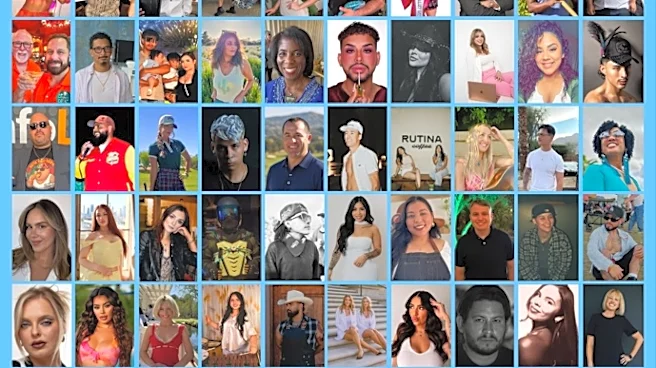
Social media influencers are increasingly facing challenges regarding the boundaries between their public personas and private lives, leading to audience dissatisfaction when personal details are withheld. This tension arises as followers, who contribute
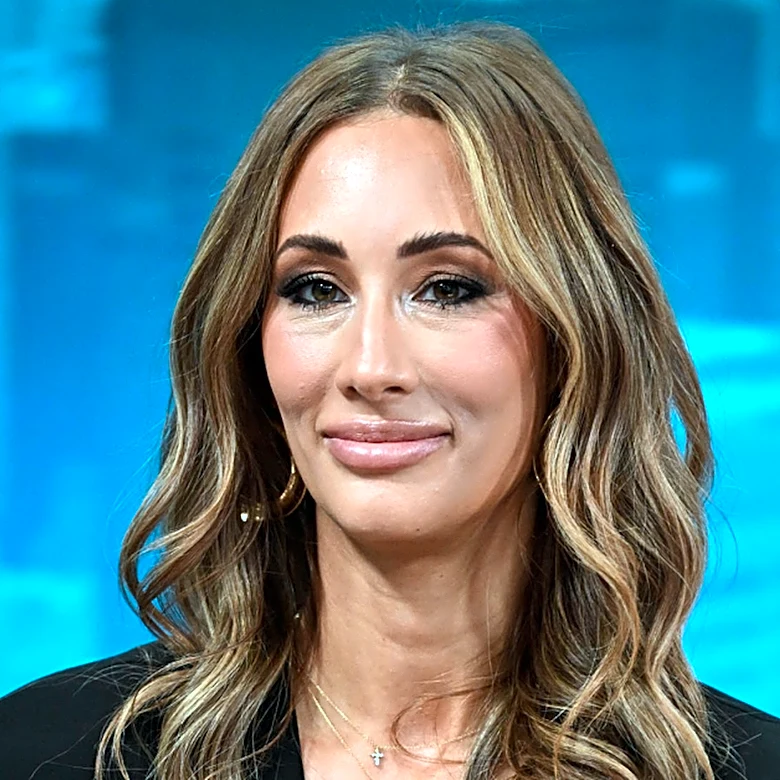
to influencers' livelihoods through engagement, expect a high degree of transparency and authenticity. For instance, one influencer, Levi Coralynn, faced criticism for not immediately disclosing her marriage, with followers feeling a sense of betrayal given her content often centered on her relationship. Similarly, another influencer, Aspyn Ovard, experienced intense scrutiny and speculation following her divorce, as followers sought explanations for the end of a marriage she had extensively documented. This phenomenon highlights a growing expectation among audiences for influencers to share intimate details, blurring the lines between privacy and the demands of maintaining an 'authentic' online presence. The business model of influencing, often built on oversharing, contributes to this dynamic, where withholding information can lead to accusations of misleading narratives.
Why It's Important?
This evolving dynamic between influencers and their audiences has significant implications for the influencer marketing industry and broader societal perceptions of privacy. For brands, the pressure on influencers to maintain authenticity means that partnerships must be carefully considered to avoid backlash if an influencer is perceived as disingenuous. The expectation of constant disclosure can lead to mental health challenges for influencers, as they navigate the demands of their careers against their personal well-being. Societally, it raises questions about the nature of parasocial relationships and the entitlement some audiences feel towards public figures' private lives. This trend could lead to a re-evaluation of what constitutes acceptable content and disclosure in the digital age, potentially pushing for clearer ethical guidelines within the influencer community. The financial dependence of influencers on audience engagement further complicates this, as sharing more personal details often correlates with increased views and income, creating a difficult choice between privacy and professional success.
What's Next?
The ongoing debate around influencer authenticity and audience expectations is likely to prompt further discussions within the influencer marketing industry about best practices and ethical boundaries. Influencers may increasingly seek strategies to manage their public and private lives more effectively, potentially leading to a shift towards more curated content that focuses on specific niches rather than broad personal narratives. Brands might also become more cautious in their collaborations, prioritizing influencers who demonstrate a clear understanding of their boundaries and audience management. There could be a rise in tools and platforms designed to help influencers navigate these pressures, offering guidance on content strategy and audience interaction. Additionally, as audiences become more discerning, there may be a growing appreciation for influencers who prioritize genuine content over sensationalized personal drama, potentially fostering a more sustainable and healthier influencer ecosystem.
Beyond the Headlines
The tension between influencer privacy and audience expectations delves into deeper ethical and psychological dimensions. It highlights the commodification of personal lives in the digital age, where experiences and relationships become content to be consumed. This can lead to a blurring of identity for influencers, as their public persona becomes inextricably linked to their private self. The phenomenon also underscores the power dynamics inherent in parasocial relationships, where audiences feel a sense of intimacy and ownership over public figures, often forgetting the real-world implications for the individuals involved. Furthermore, it raises questions about the long-term psychological impact on both influencers and their followers, as constant exposure and the pressure to perform authenticity can contribute to anxiety, burnout, and a distorted sense of reality. The pursuit of 'realness' online, ironically, often leads to carefully constructed narratives that are far from spontaneous, creating a cycle of expectation and potential disappointment.