








What's Happening?
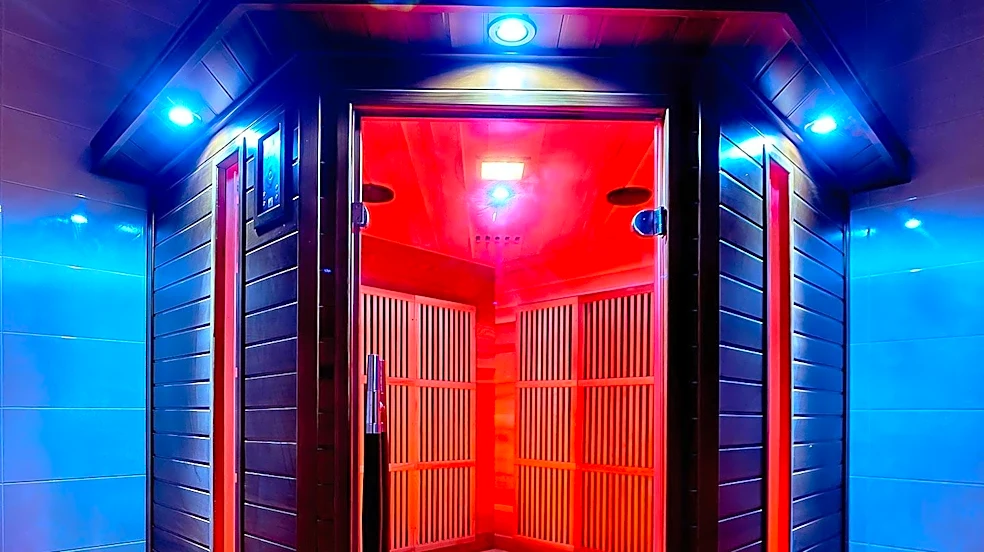
Infrared saunas utilize carbon or ceramic panels to emit radiant heat, directly warming the body at temperatures between 120–140°F (49–60°C). This contrasts with traditional saunas, which heat the surrounding air to 150–195°F (65–90°C) using electric
heaters or wood stoves. The direct heating method of infrared saunas results in a less intense experience, allowing for longer sessions of 30–45 minutes, and they require shorter preheat times, typically 10–20 minutes. Far-infrared (FIR) waves, ranging from 6–12 microns, are the primary drivers of deep body warming and are the focus of most peer-reviewed infrared sauna research. Mid-infrared waves (1.4–6 microns) are also used in some units for deeper penetration into muscle and joint tissue. Many standard infrared saunas primarily use far-infrared carbon panels.
Why It's Important?
The distinction between infrared and traditional saunas is significant for consumers considering wellness and recovery options. Infrared saunas offer a more accessible and often more comfortable experience due to lower air temperatures and direct body heating, making them suitable for individuals sensitive to high heat or those seeking longer, more relaxed sessions. The reduced electrical requirements for many 1-2 person infrared models, often plugging into standard 120V outlets, can lead to lower installation costs and easier integration into homes compared to traditional saunas, which typically require 240V hardwiring and professional electrical work. This ease of installation and lower operating costs (approximately $0.25 to $0.75 per session compared to $1.25 to $2.50 for traditional saunas) can make infrared saunas a more appealing and practical choice for daily home use, potentially broadening access to sauna benefits for a wider demographic.
What's Next?
As the market for home wellness solutions continues to grow, manufacturers are likely to further innovate in infrared sauna technology, potentially focusing on enhanced energy efficiency, more compact designs, and integrated features like red light therapy. Consumers can expect to see continued differentiation in product offerings, with an emphasis on user-friendly installation and lower long-term ownership costs. The ongoing research into the specific benefits of far-infrared and mid-infrared wavelengths may also lead to more targeted and specialized infrared sauna products. Buyers will need to carefully evaluate manufacturer claims, particularly regarding 'full-spectrum' saunas, and verify the scientific backing for any health benefits, as most existing research focuses on far-infrared only.
Beyond the Headlines
The rise of infrared saunas reflects a broader trend in wellness towards personalized, accessible, and less intense therapeutic experiences. This shift moves away from the more rigorous and communal aspects of traditional sauna culture towards individual, at-home routines focused on relaxation and recovery. The emphasis on direct body heating and lower ambient temperatures in infrared saunas aligns with a desire for comfort and ease of use, potentially influencing how individuals integrate wellness practices into their daily lives. Furthermore, the integration of features like red light therapy in some infrared saunas highlights a growing interest in multi-modal wellness devices, where different therapeutic modalities are combined to offer a more comprehensive health experience, blurring the lines between traditional relaxation and advanced biohacking.