


What's Happening?
For the upcoming fall season, celebrity stylists and colorists are forecasting specific hair trends for women over 50. According to Francine Gersting, owner of Evolve Salon, while warmer tones are typically popular in fall, this year sees a shift towards
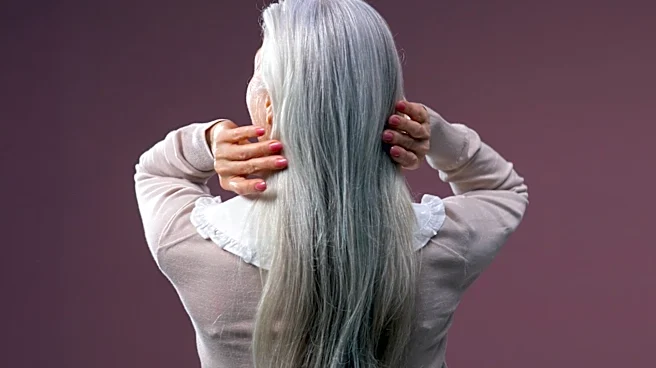
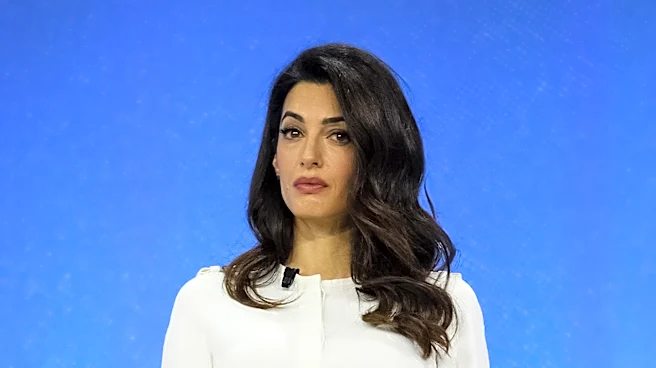
embracing natural gray hair through 'gray blending with demi-permanent color.' This technique aims for a softer, more natural look with easier maintenance. Los Angeles-based hairstylist Susan Oludele emphasizes 'freedom' as the overarching trend, encouraging women to choose styles like Ivy Braids, bangs, or their natural gray, asserting that age should not limit hair choices. In terms of cuts, stacked bobs and face-framing layers are expected to be prominent. Gersting describes the stacked bob as a modern take on the classic chin-length cut, featuring beveled and longer front pieces and bangs. Celebrity hair architect Mia Santiago also notes the continued popularity of the bob, evolving into more personalized versions with varied lengths and textures. Moe Harb, hair educator and cofounder of Beauty Club London, states that long hair remains an option for women over 50, provided it is healthy and styled to suit density, texture, face shape, and lifestyle, with face-framing layers being key for movement.
Why It's Important?
These emerging hair trends reflect a broader cultural shift towards embracing natural aging and personal expression, particularly among women over 50. The emphasis on 'freedom' and 'owning your look' challenges traditional beauty standards that often pressure older women to conceal signs of aging. The popularity of 'gray blending' signifies a move away from constant, high-maintenance coloring, potentially saving time and money for many individuals, while also promoting a more authentic self-image. The continued relevance of the bob, alongside the acceptance of long, healthy hair, offers diverse and adaptable options, catering to various preferences and lifestyles. This trend impacts the beauty industry by influencing product development, salon services, and marketing strategies, as stylists and brands adapt to meet the demand for natural, low-maintenance, yet stylish options for this demographic. It also empowers women to make choices that align with their personal comfort and style rather than societal expectations.
What's Next?
As these trends gain momentum, consumers can expect to see an increased availability of salon services and at-home products tailored to gray blending and maintaining healthy, natural hair. Hair stylists will likely continue to innovate techniques for personalized bobs and face-framing layers, offering consultations that prioritize individual features and lifestyles. The beauty industry may also see a rise in educational content and tutorials focusing on these styles, empowering women to achieve professional results at home. Furthermore, the emphasis on 'freedom' in hair choices could lead to a more inclusive representation of older women in media and advertising, showcasing diverse hair textures, colors, and lengths. This shift may also encourage more open conversations about aging gracefully and challenging ageist beauty norms, fostering a more accepting and diverse beauty landscape.
Beyond the Headlines
The embrace of natural gray hair and personalized styles for women over 50 extends beyond mere aesthetics; it signifies a deeper cultural commentary on ageism and self-acceptance. Historically, women have often felt compelled to dye their hair to appear younger, driven by societal pressures and media portrayals. This shift towards 'gray blending' and celebrating natural hair color represents a powerful reclamation of authenticity and a rejection of the notion that beauty diminishes with age. It fosters a sense of empowerment, allowing women to define their own beauty standards rather than conforming to external expectations. This movement could also have psychological benefits, reducing the stress and financial burden associated with constant anti-aging efforts. Ethically, it promotes a more inclusive and realistic view of beauty, challenging the narrow ideals often perpetuated by the fashion and beauty industries. This trend could contribute to a broader societal re-evaluation of aging, encouraging a more positive and celebratory perspective on all life stages.