

What's Happening?
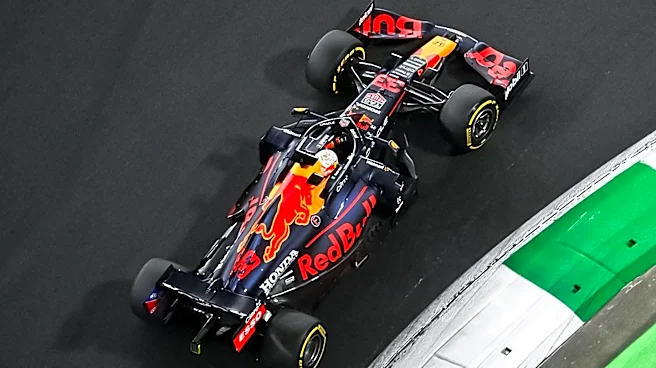
Red Bull driver Isack Hadjar has expressed dissatisfaction with the impact of the F1 2026 rules on circuit experiences, particularly contrasting energy-rich and energy-starved tracks. Hadjar highlighted the Hungarian Grand Prix as a return to classic
racing, while Spa-Francorchamps, despite its popular layout, offered a less enjoyable driving experience. The 2026 regulations have faced criticism for their influence on racing dynamics, with drivers noting the importance of energy management. Hadjar's comments reflect broader concerns within the sport about the balance between technological advancements and maintaining the essence of racing.
Why It's Important?
Hadjar's critique of the F1 2026 rules underscores ongoing debates about the direction of Formula 1. The regulations aim to enhance sustainability and technological innovation, but they also impact the traditional racing experience. Drivers' feedback is crucial in shaping future rule adjustments, as the sport seeks to balance progress with preserving its core appeal. The concerns raised by Hadjar and others may influence discussions about future regulatory changes, potentially leading to modifications that address drivers' and fans' expectations. The evolution of these rules will play a significant role in the sport's development and its ability to attract and retain audiences.
What's Next?
As Formula 1 continues to adapt to the 2026 regulations, further changes are anticipated in 2027 and 2028 to address the impact of energy management on racing. The sport will likely engage with drivers, teams, and stakeholders to refine the rules and enhance the racing experience. Hadjar's feedback may contribute to these discussions, highlighting the need for a balanced approach that considers both technological advancements and the traditional appeal of racing. The ongoing dialogue will be crucial in shaping the future of Formula 1 and ensuring its continued success.