








What's Happening?
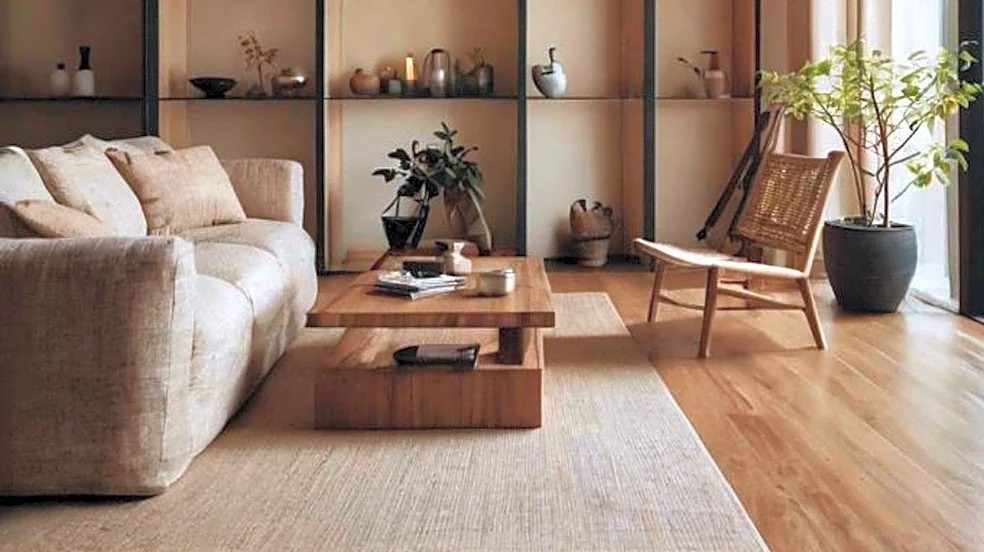
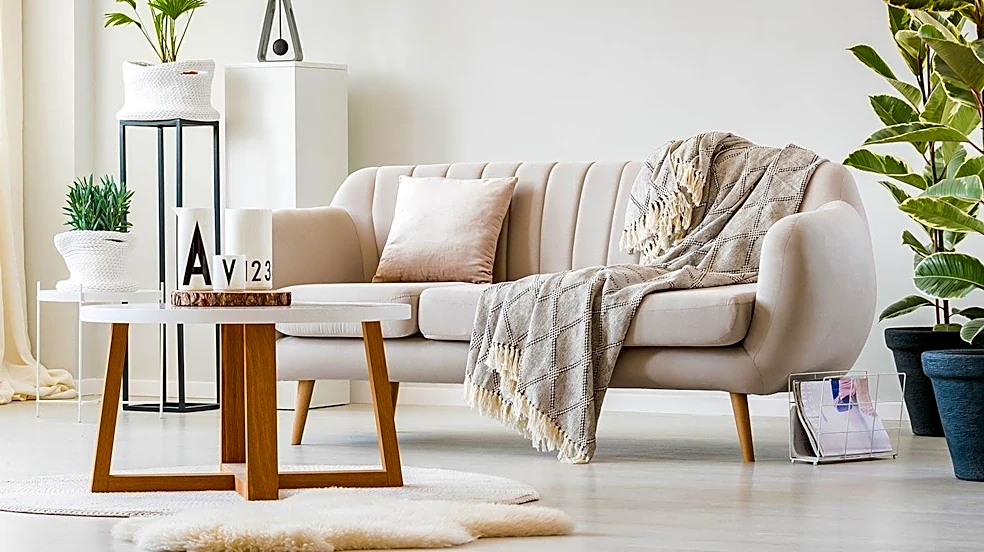
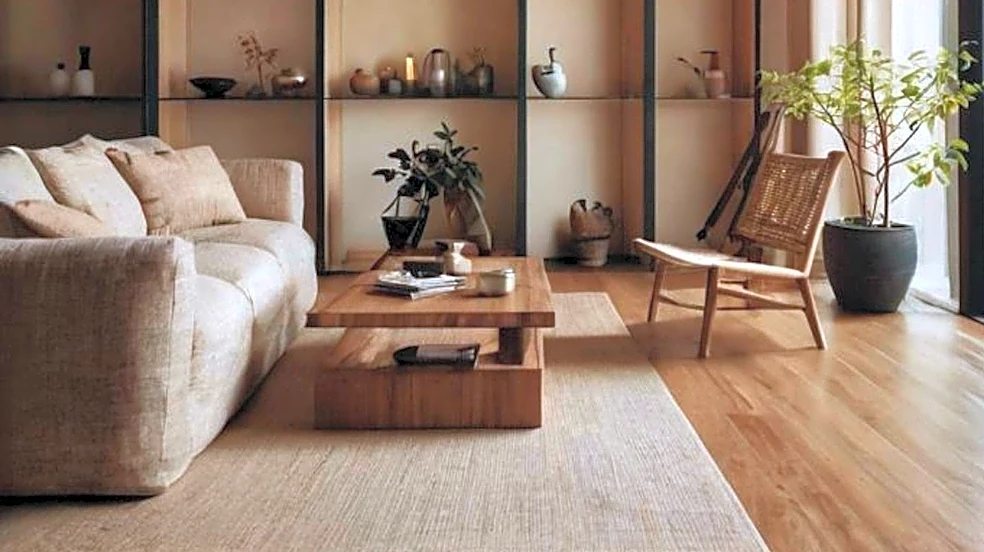
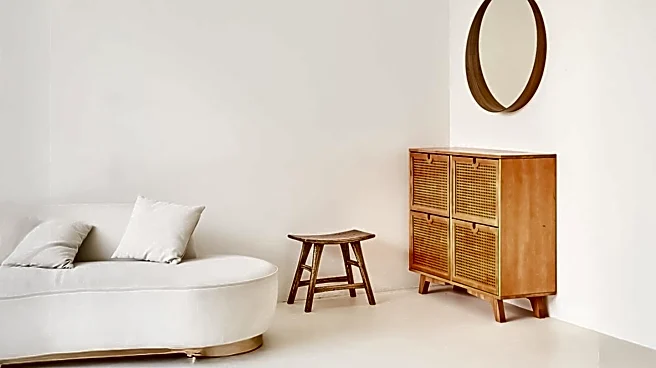
Japandi style is an emerging interior design trend that combines Japanese minimalism with Scandinavian functionality. This aesthetic emphasizes calm, neutral tones, natural textures, and clean compositions, creating a serene and uncluttered atmosphere.
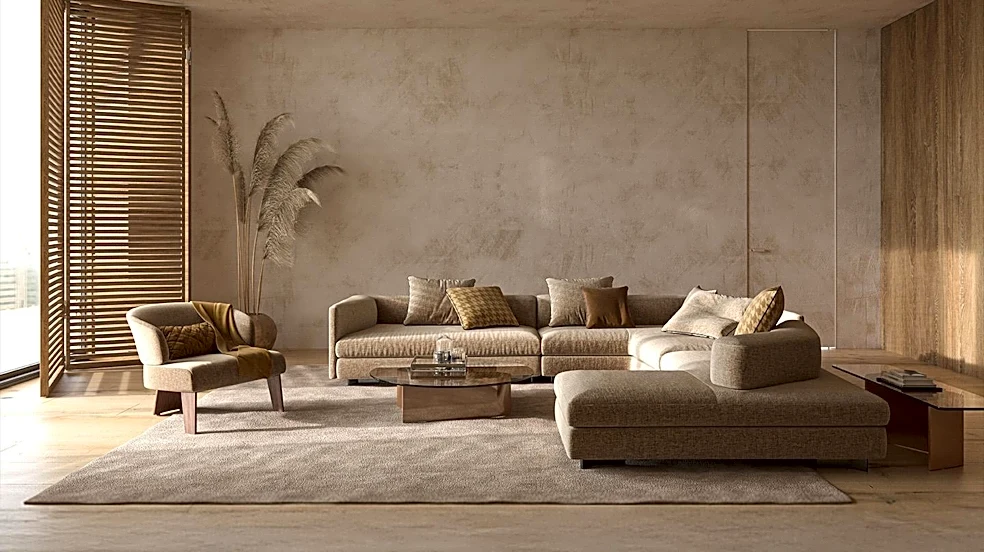
Key materials often include light oak, ash, and natural wood finishes, which contribute to a warm yet restrained feel without relying on bold patterns or excessive decorative details. Colors such as oatmeal, sand, ivory, taupe, and soft gray are commonly used to maintain a neutral palette. The style prioritizes thoughtful functionality and simple shapes over ornamentation, making it suitable for various living spaces, including living rooms, bedrooms, home offices, and reading nooks. It contrasts with mid-century modern design, which often features stronger visual statements through sculptural forms and richer colors, by offering a quieter and more balanced environment.
Why It's Important?
The rise of Japandi style reflects a broader societal shift towards mindfulness, simplicity, and sustainable living in home environments. As consumers increasingly seek to reduce clutter and create more peaceful personal spaces, this design trend offers a practical and aesthetically pleasing solution. Its emphasis on natural materials and neutral colors aligns with growing environmental consciousness and a desire for authenticity in product choices. For the U.S. home furnishings and interior design industries, this trend signifies a demand for furniture and decor that is both functional and minimalist, potentially influencing product development and marketing strategies. Businesses that adapt to this preference for understated elegance and natural elements may gain a competitive edge, while those focused on more ornate or maximalist styles might need to re-evaluate their offerings to cater to evolving consumer tastes. The style's versatility also makes it appealing to a wide demographic, from urban apartment dwellers to suburban homeowners looking to create tranquil retreats.
What's Next?
The continued integration of Japandi principles into mainstream home decor is anticipated, with more furniture manufacturers and retailers likely to introduce collections that embody this aesthetic. Consumers can expect to see an increased availability of items featuring light wood finishes, natural fabrics like linen, and muted color palettes. Interior designers may further incorporate Japandi elements into their projects, offering clients spaces that promote calm and functionality. There may also be a trend towards combining Japandi with other styles, such as incorporating a warm walnut frame with cream upholstery to blend mid-century character with Japandi neutrality. Educational content and resources on how to achieve the Japandi look will likely proliferate, guiding individuals in selecting appropriate furniture and accessories, and arranging their spaces to maximize visual harmony and clear floor space. The focus will remain on thoughtful placement and easily movable accessories, especially for convertible furniture like sleeper chairs.
Beyond the Headlines
Beyond its aesthetic appeal, Japandi style subtly promotes a lifestyle centered on intentionality and well-being. By encouraging restraint and the selection of high-quality, functional pieces, it challenges the consumerist impulse for constant acquisition and disposable decor. This approach can lead to more sustainable consumption patterns within the home goods market, as individuals invest in timeless pieces rather than fleeting trends. Culturally, the blend of Japanese and Scandinavian design philosophies highlights a global convergence of values around simplicity, craftsmanship, and the appreciation of natural beauty. It suggests a growing recognition of how physical environments impact mental and emotional states, positioning home design not just as an aesthetic choice but as a tool for fostering peace and balance in daily life. This deeper implication could influence architectural design, urban planning, and even workplace environments, as the principles of calm and functionality extend beyond residential spaces.