




What's Happening?
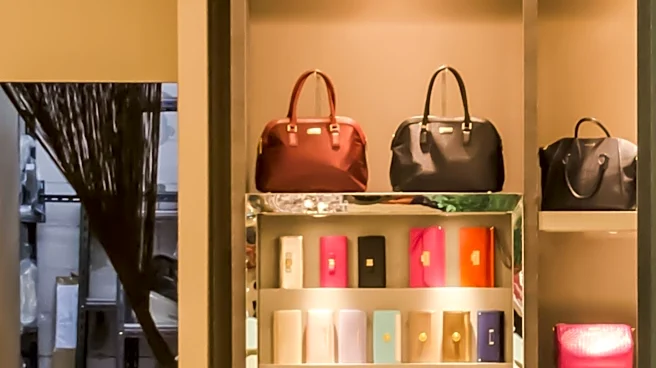
The luxury resale market is experiencing substantial growth, with demand for vintage items on platforms like The RealReal surging by 432 percent since 2020, according to The RealReal’s 2026 resale report. This report also indicates that the resale sector
is expanding two to three times faster than new luxury sales. A significant trend shows that 47 percent of shoppers now assess an item's resale value before purchasing it new, highlighting a shift in consumer behavior towards considering long-term value. This comes as patience with traditional luxury is reportedly waning, with consumers increasingly opting for vintage pieces over new, full-priced items. The broader luxury industry is facing challenges, as evidenced by LVMH reporting a 5 percent fall in fashion sales in the third quarter and Kering's sales being down 1 percent, leading to the closure of over 100 stores. This environment suggests a strategic pivot by consumers towards more sustainable and value-conscious luxury consumption.
Why It's Important?
This shift in the luxury market has significant implications for both established luxury brands and the burgeoning resale industry. For traditional luxury houses, the increased preference for vintage and secondhand items signals a need to re-evaluate pricing strategies, product longevity, and brand appeal. The fact that nearly half of luxury shoppers consider resale value before buying new indicates that brand perception and product durability are becoming critical factors influencing purchasing decisions. The rapid growth of the resale market also presents opportunities for platforms like The RealReal to further expand their market share and influence. This trend could lead to a more circular economy within the luxury sector, promoting sustainability and offering consumers more accessible entry points into high-end fashion. The financial performance of major luxury groups like LVMH and Kering underscores the pressure on the industry to adapt to changing consumer demands and economic conditions, making the resale market a key indicator of future trends.
What's Next?
The luxury industry is likely to see continued adaptation to the growing resale trend. Traditional luxury brands may explore partnerships with resale platforms or launch their own certified pre-owned programs to capture a share of this expanding market. The emphasis on an item's resale value before purchase suggests that brands might increasingly focus on crafting pieces with enduring appeal and quality, potentially influencing design and production cycles. Further consolidation or expansion within the resale market is also probable, with platforms continuing to innovate in authentication and customer experience to attract more buyers and sellers. As consumers become more value-conscious and environmentally aware, the demand for vintage and secondhand luxury is expected to persist, potentially leading to a more integrated ecosystem where new and resale luxury coexist and complement each other. The ongoing financial pressures on traditional luxury houses may accelerate these changes, pushing them to embrace new business models.
Beyond the Headlines
Beyond the immediate financial implications, the rise of luxury resale reflects deeper cultural and ethical shifts in consumer behavior. The increased demand for vintage items can be seen as a move towards more sustainable consumption, reducing the environmental impact associated with new production. It also signifies a growing appreciation for craftsmanship, history, and uniqueness, as vintage pieces often carry a distinct narrative and are less susceptible to rapid trend cycles. This trend challenges the traditional luxury model built on exclusivity and newness, suggesting a future where longevity and circularity are equally valued. The ethical dimension extends to labor practices and resource consumption, as consumers increasingly seek transparency and responsible sourcing. The shift also democratizes luxury to some extent, making high-end items more accessible to a broader audience, which could reshape the aspirational landscape of fashion and redefine what 'luxury' truly means in the 21st century.