



What's Happening?
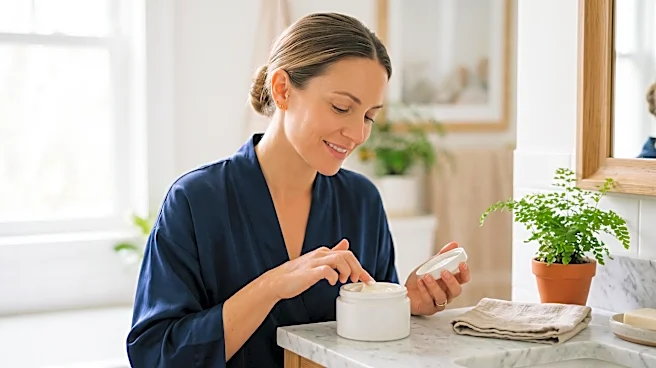
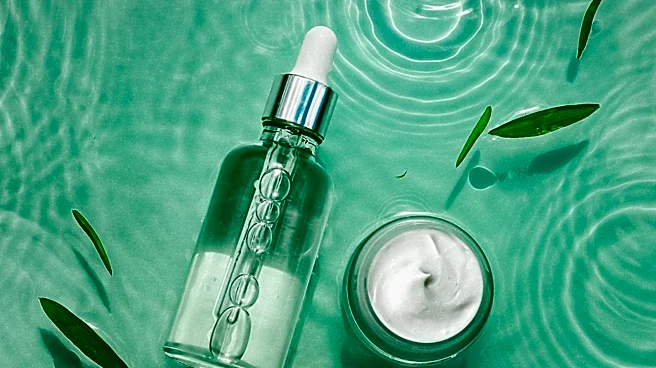
The beauty industry is seeing a trend towards 'glazed skin,' a look characterized by hydrated, plump, and healthy-looking skin. This effect is being achieved through various skincare products, including the Glass Skin Finishing Glaze by K Republiq and Rhode
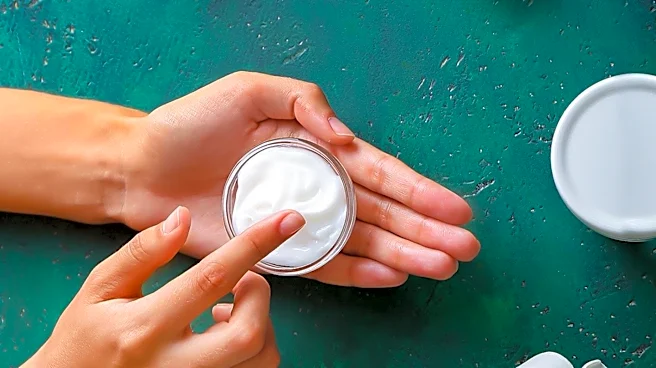
Glazing Milk. K Republiq's product is described as a lightweight moisturizer designed to hydrate and support the skin barrier, resulting in a softer, smoother, and 'perfectly glazed' complexion. Similarly, Rhode Glazing Milk, a ceramide-based facial essence, focuses on hydration and barrier support. It contains ceramides, which are naturally occurring lipids crucial for moisture retention and maintaining the skin's protective barrier, along with hyaluronic acid and other beneficial ingredients like beta-glucan and vitamin E. These products are marketed as essential steps in a layered skincare routine, aiming to provide a dewy, glass-like glow.
Why It's Important?
The emphasis on 'glazed skin' highlights a significant shift in consumer preference within the U.S. beauty market, moving towards skin health and hydration rather than solely focusing on coverage or anti-aging. This trend influences product development and marketing strategies for skincare companies, as they formulate products rich in ingredients like ceramides and hyaluronic acid to meet this demand. For consumers, it means a wider array of products designed to improve skin barrier function and hydration, potentially leading to healthier skin. However, it also underscores the importance of understanding product ingredients and individual skin needs, as not all 'hydrating' products address deeper skin concerns like pigmentation or acne. The rise of such trends, often amplified by social media, can also lead to increased sales for brands that successfully tap into these popular aesthetics, impacting market share and competition.
What's Next?
The 'glazed skin' trend is likely to continue influencing the development of new skincare products, with a focus on barrier-supporting and hydrating ingredients. Consumers can expect to see more essences, serums, and moisturizers incorporating ceramides, hyaluronic acid, and similar components. Brands will continue to leverage social media and influencer marketing to promote these products, further solidifying the trend. There may also be an increased focus on educating consumers about the difference between cosmetic hydration and medical-grade skincare, as highlighted by sources, to ensure individuals choose products that align with their specific skin concerns. The market may also see more hybrid products that combine hydration with other targeted treatments to offer more comprehensive solutions.
Beyond the Headlines
Beyond the immediate product trends, the 'glazed skin' phenomenon reflects a broader cultural shift towards celebrating natural, healthy-looking skin. This movement encourages a more holistic approach to beauty, where skincare is prioritized over heavy makeup. It also raises questions about the influence of social media on beauty standards and consumer choices, as trends like 'glazed skin' often gain rapid popularity through platforms like TikTok and Instagram. While promoting skin health is positive, it also creates pressure for individuals to achieve a certain aesthetic, potentially leading to overconsumption of products. The distinction between cosmetic and medical-grade skincare becomes crucial in this context, as consumers navigate marketing claims and seek effective solutions for their skin concerns, emphasizing the need for informed choices and professional guidance.