




What's Happening?
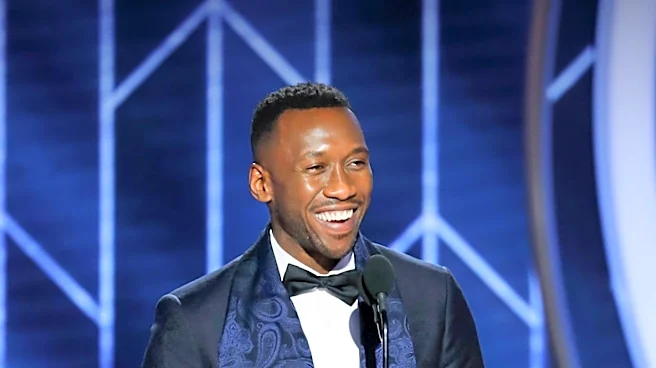
Two-time Academy Award winner Mahershala Ali has spoken out about the difficulties he faces in securing lead roles in Hollywood, despite his significant industry recognition. During an appearance on the '7PM in Brooklyn' podcast on November 13, Ali questioned
the perceived impact of winning an Oscar, stating that it doesn't automatically guarantee access to a wider range of leading opportunities. He highlighted a disparity between the abundance of talented actors and the limited availability of quality material that aligns with his profile. Ali explained that many projects that receive greenlights do not contain roles suitable for him, leading him to feel that even with numerous awards, he is still in a position of waiting and searching for appropriate work, similar to other actors. He has starred in notable films such as 'The Hunger Games: Mockingjay – Part 1,' 'Eternals,' and 'Spider-Man: Beyond the Spider-Verse,' and made history as the first Black actor to win two Oscars in the Best Supporting Actor category for his roles in 'Green Book' and 'Moonlight.'
Why It's Important?
Mahershala Ali's candid remarks shed light on a significant issue within the Hollywood film industry: the persistent challenges faced by even highly acclaimed actors, particularly those from underrepresented groups, in securing diverse and leading roles. His experience suggests that industry accolades, while prestigious, do not always translate into equitable opportunities or a broader scope of work. This situation impacts not only individual careers but also the diversity of storytelling and representation on screen. If actors of Ali's caliber struggle to find suitable lead roles, it indicates a systemic problem in how projects are conceived, greenlit, and cast. This can limit the types of narratives brought to audiences and perpetuate a narrow view of who can lead major productions, potentially stifling creative output and hindering progress towards a more inclusive industry.
What's Next?
Ali's comments may prompt further discussion within Hollywood about the criteria for casting and project development, particularly concerning diversity and the utilization of established talent. While immediate policy changes are unlikely, such high-profile statements can contribute to ongoing conversations among industry executives, producers, and writers about creating more inclusive opportunities. Actors and their representatives might leverage these insights to advocate for more diverse roles and to challenge existing casting norms. The broader industry could face increased pressure from advocacy groups and audiences to address these disparities, potentially leading to more initiatives aimed at developing projects with a wider range of leading roles for diverse actors. This ongoing dialogue could influence future production decisions and talent development strategies.
Beyond the Headlines
Ali's experience points to a deeper structural issue within Hollywood that extends beyond individual talent or recognition. It suggests that the industry's creative and financial decision-making processes may still be influenced by ingrained biases or conventional thinking about marketability, which can limit the types of stories told and the actors chosen to tell them. This situation raises questions about the true value of awards in fostering career longevity and diversity, and whether the industry's celebrated progress in representation is as deep-seated as it appears. It also highlights the ongoing need for creators to actively write and champion diverse narratives and characters, ensuring that the pool of 'good material' expands to match the wealth of acting talent available. The struggle of an actor like Ali underscores that systemic change requires more than just individual success; it demands a fundamental shift in industry practices and perspectives.