



What's Happening?
In a significant cultural shift, the new status symbol is increasingly defined by unavailability and having 'somewhere better to be,' rather than visible displays of wealth or constant online presence. This trend marks a departure from a time when status was
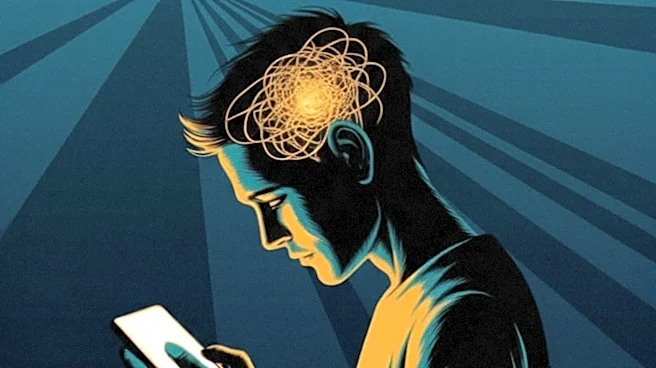
communicated through recognizable luxury items, exclusive venues, and frequent social media posts. Now, aspiration is associated with individuals who are less accessible, perhaps away in a remote location, enjoying activities offline, or simply living a life that doesn't require constant documentation. The value lies not in the destination itself, but in what it implies: a life unfolding beyond the screen, characterized by autonomy and control over one's time. This shift is a reaction to hyper-visibility, where constant posting has diluted the exclusivity of experiences. Scarcity, particularly of attention and personal time, has become a valuable commodity, making being offline or seemingly too occupied by real life to document it, a new form of luxury.
Why It's Important?
This evolving definition of status has profound implications for U.S. society, consumer behavior, and various industries. For businesses, particularly in luxury goods, travel, and hospitality, the focus may shift from overt branding and highly Instagrammable experiences to offering privacy, exclusivity, and opportunities for genuine disconnection. The travel industry, for instance, might see increased demand for destinations that promise a 'different rhythm' and a sense of escape from constant connectivity, rather than just landmark-ticking. For individuals, this trend could foster a healthier relationship with technology and social media, encouraging more mindful engagement and valuing real-world experiences over digital performance. It challenges the long-held notion that 'busy is important,' instead promoting the idea that having control over one's time and the freedom to disengage is the ultimate success. This cultural shift could also influence workplace norms, potentially increasing the demand for flexible work arrangements that allow for greater personal autonomy and the ability to 'disappear' when desired.
What's Next?
As unavailability solidifies its position as a status symbol, several trends are likely to emerge or intensify. We can expect a continued rise in the romanticization of simple pleasures and 'slow living,' such as reading, cooking at home, and long walks, as these activities inherently promote disconnection and presence. The demand for 'second places'—coastal houses, country escapes, or remote cabins—will likely grow, as these offer an alternative version of life that is slower and less demanding. Travel will increasingly be marketed based on atmosphere and the 'feeling' a destination evokes, rather than just its sights, focusing on experiences that offer temporary access to a calmer, less hurried self. Industries catering to privacy and exclusive, undocumented experiences will thrive. Social media aesthetics may also evolve, with a preference for selective, understated posts that imply a rich life lived offline, rather than an endless carousel of documented moments. The concept of 'empty weekends' or 'nothing planned' will become increasingly desirable, signifying true luxury: the freedom of spontaneity and margin in one's schedule.
Beyond the Headlines
The deeper implications of unavailability as a status symbol touch upon fundamental aspects of human psychology and societal values. It reflects a collective fatigue with the demands of constant connectivity and the pressure to perform success online. This shift suggests a re-evaluation of what constitutes a 'good life,' moving away from external validation towards internal fulfillment and genuine well-being. Ethically, it raises questions about digital detox and the right to disconnect, potentially leading to broader discussions about work-life balance and the impact of technology on mental health. Culturally, it challenges the pervasive influence of social media on self-perception and aspiration, encouraging a more authentic existence. This trend could also foster a greater appreciation for the present moment and the tangible world, as individuals seek experiences that are compelling enough without needing constant documentation. Ultimately, it underscores a growing desire for agency and control over one's own time and attention, positioning these as the most valuable commodities in the modern era, rather than material possessions or public recognition.