





What's Happening?
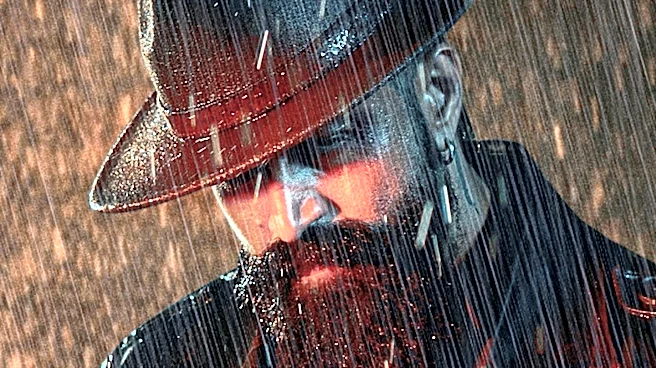
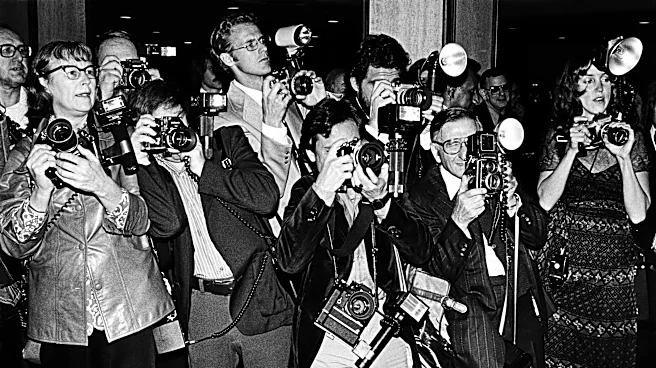
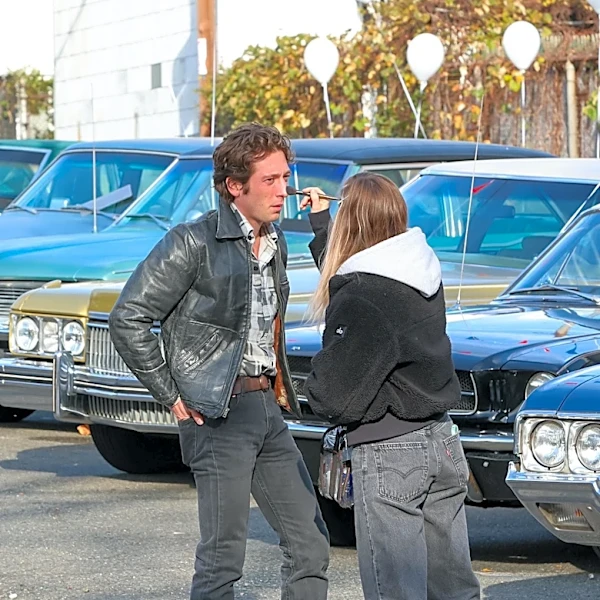
A film titled 'Ink,' directed by Danny Boyle and based on a stage play by James Graham, offers a look into the backstory of modern media through the lens of Rupert Murdoch's rise and the reinvention of The Sun newspaper. The film features Guy Pearce as Murdoch,
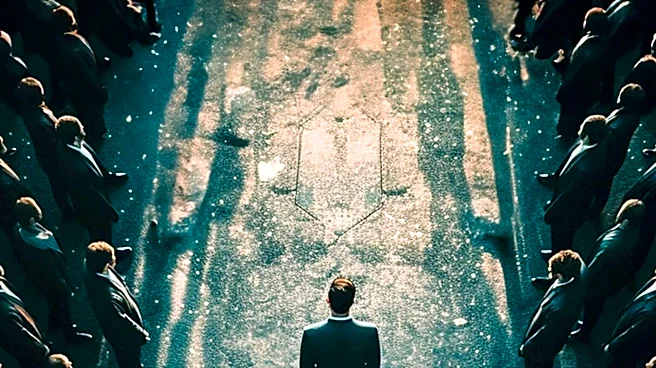
Jack O’Connell as Larry Lamb, and Claire Foy portraying a composite character representing women in the newspaper business during that era. While the film is praised for Boyle's visual skill and interesting aesthetic, the review from The Santa Barbara Independent indicates that it falls short in providing deep insight into Murdoch's character or the public's demand for sensational journalism. The narrative is described as a shallow dive, presenting a factual outline without sufficient character development or reflection, leading to a sense of frustration for the reviewer despite a predisposition to like the film.
Why It's Important?
This film's release is important as it attempts to shed light on the formative years of a significant media figure, Rupert Murdoch, and the evolution of tabloid journalism. Understanding the origins and motivations behind such influential media empires can offer valuable context for current media landscapes and public discourse. The critique regarding the film's lack of depth in character and societal insight highlights a missed opportunity to explore the broader implications of media power and its impact on public perception. For audiences, it underscores the challenge of translating complex historical figures and societal shifts into compelling cinematic narratives, especially when the subject matter has profound implications for how information is consumed and understood in the U.S. and globally.
What's Next?
The film 'Ink' is scheduled to begin showing at SBIFF’s Riviera Theatre on December 11. Following its release, it will likely be subject to further critical analysis and public discussion, particularly concerning its portrayal of Rupert Murdoch and the media industry. The film's reception could influence future biographical projects about media moguls, potentially encouraging filmmakers to delve deeper into the psychological and societal impacts of their subjects. The ongoing conversation around media ethics and the role of journalism in shaping public opinion may also be reignited by the film's themes, prompting further reflection on the historical trajectory of news dissemination and its contemporary relevance.
Beyond the Headlines
The film's perceived failure to provide insight into Rupert Murdoch's motivations or the public's appetite for tabloid journalism points to a deeper challenge in media representation: the difficulty of capturing the complex interplay between individual ambition and societal trends. This extends beyond mere entertainment, touching upon the ethical responsibilities of media and the public's role in shaping its consumption. The film's superficial treatment of these themes could inadvertently reinforce a simplistic view of media history, rather than fostering a nuanced understanding of how media empires are built and sustained, and their long-term effects on democratic processes and cultural values. It highlights the ongoing need for critical engagement with media narratives, both fictional and factual, to fully grasp their impact.