





What's Happening?
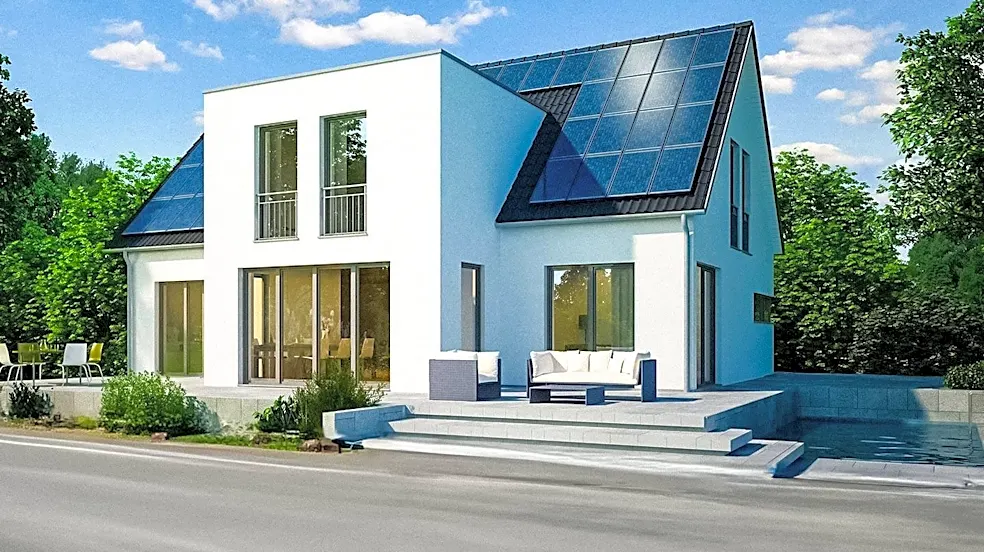
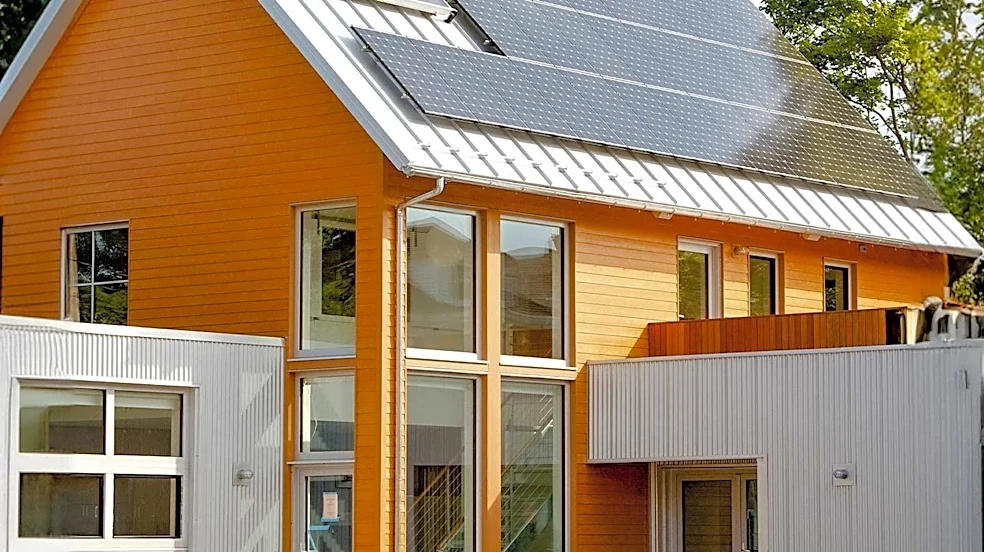
The luxury real estate market is seeing a significant rise in high-end modular homes that combine modern design with environmental responsibility. These prefabricated structures are incorporating advanced features such as solar panels, recycled materials,
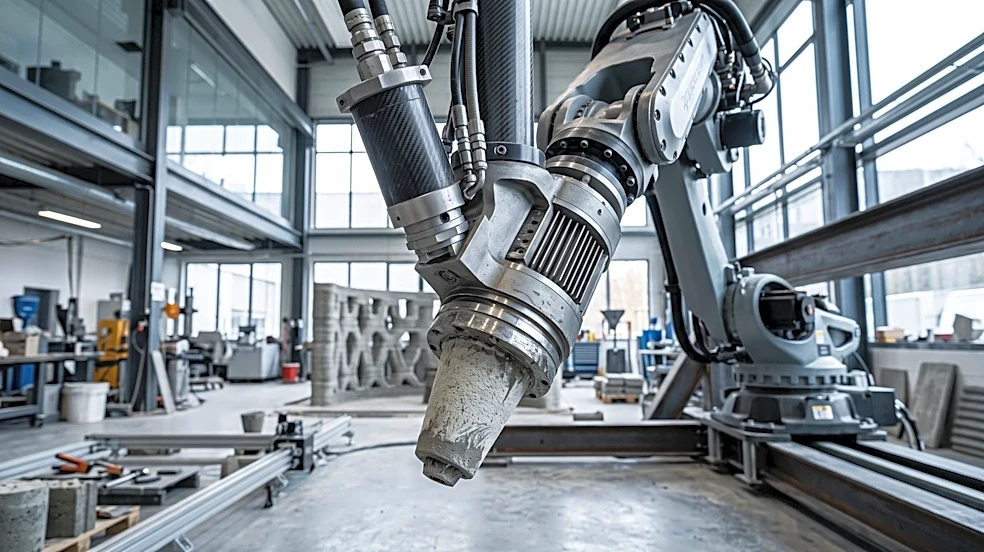
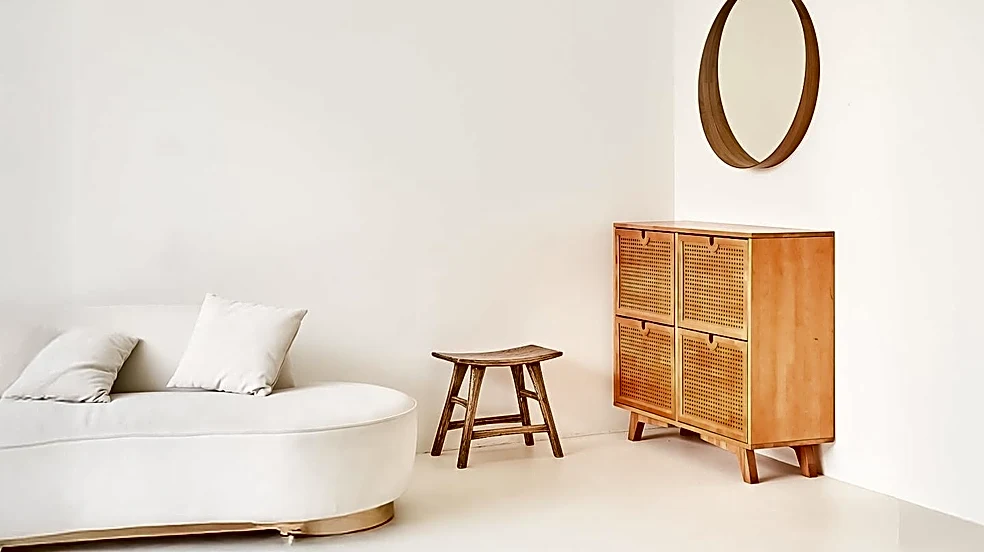
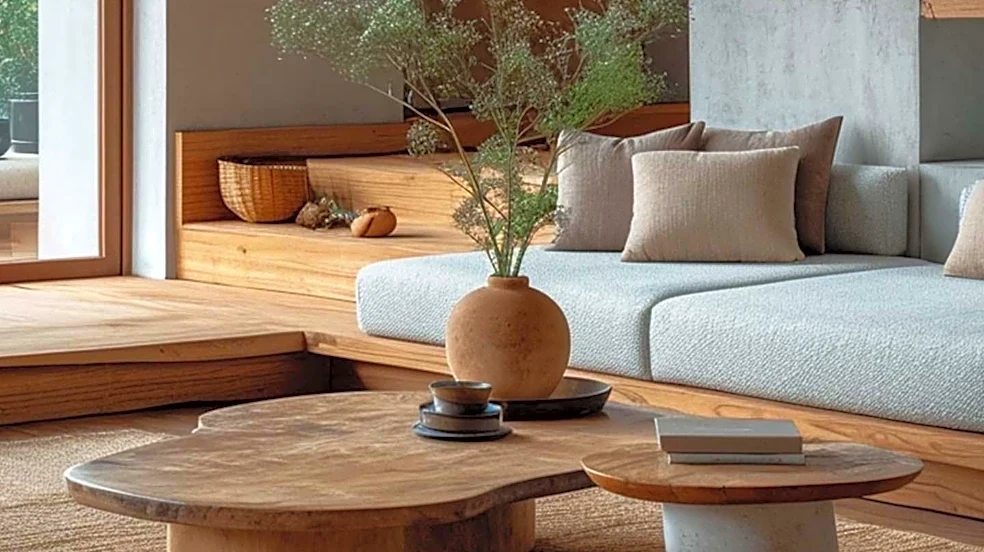
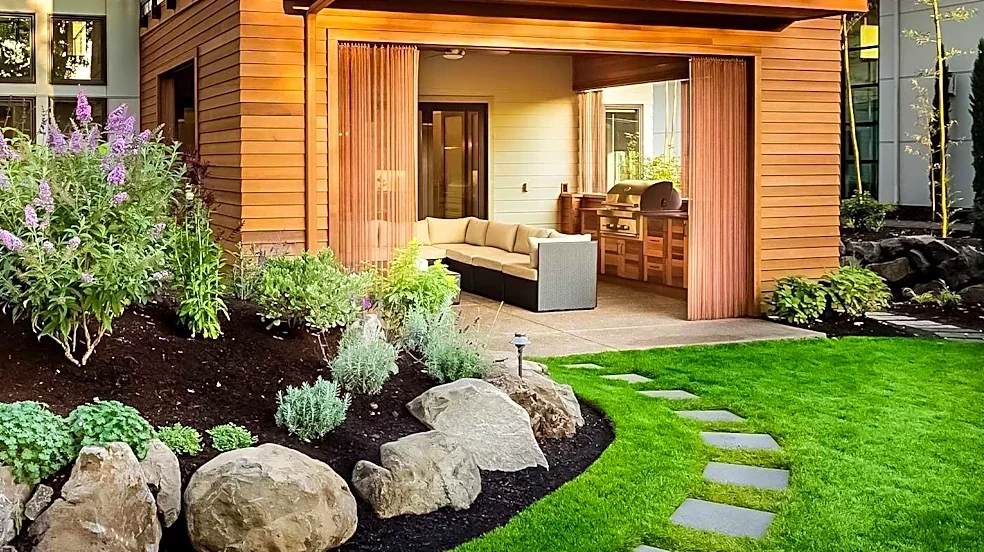
and specialized systems for cooling and water conservation. Homebuyers are increasingly choosing green-certified modular homes that offer a blend of eco-friendliness and luxury living. These units are built in factories under strict quality checks, ensuring superior craftsmanship compared to traditional on-site construction. They offer extensive customization options, including Italian marble countertops, wooden floors, energy-efficient glass walls, and smart home technologies like AI lighting and fingerprint security systems, allowing for bespoke living experiences.
Why It's Important?
This trend is important for the U.S. housing market as it challenges traditional perceptions of prefabricated homes, positioning them as a high-quality, sustainable, and customizable alternative to conventional luxury residences. The integration of eco-friendly features like solar panels and recycled materials contributes to reduced carbon footprints and lower utility costs for homeowners, aligning with growing environmental concerns. The efficiency of factory-based construction, which minimizes delays due to weather or labor issues, offers a faster path to homeownership without compromising on quality. This shift could lead to increased adoption of modular construction in the luxury segment, influencing building codes, material sourcing, and design innovation across the industry. It also provides a more accessible entry point into luxury housing for eco-conscious buyers and those seeking rapid, high-quality construction.
What's Next?
The trajectory for luxury modular homes suggests continued growth and innovation. We can expect further advancements in sustainable materials and smart home technologies specifically tailored for prefabricated construction. The customization options are likely to expand, allowing for even greater personalization in design and features. As more celebrities and business people embrace these homes, their market acceptance and desirability will likely increase, potentially leading to more developers investing in luxury modular communities. There may also be a push for more streamlined regulatory processes to accommodate the unique aspects of modular construction, facilitating faster deployment and broader availability across diverse geographical locations, including remote and exclusive sites. The long-term value proposition of these homes, combining lower operational costs with high-end finishes, will likely attract a wider range of discerning buyers.
Beyond the Headlines
Beyond the immediate market impact, the rise of luxury modular homes signifies a deeper cultural shift towards valuing efficiency, sustainability, and personalized design in housing. It challenges the notion that luxury must be synonymous with excessive consumption and traditional, often resource-intensive, building methods. This trend could foster a greater appreciation for industrial precision and technological integration in home construction, potentially influencing architectural education and design philosophies. Ethically, it promotes responsible consumption and environmental stewardship within the high-end market, setting a precedent for other industries. The ability to place these homes in exclusive, often environmentally sensitive, locations also raises questions about balancing development with conservation, pushing for innovative solutions that minimize ecological disruption.