





What's Happening?
Uber is actively scaling its autonomous vehicle (AV) strategy across the United States through a growing portfolio of partnerships. This initiative is a core pillar of the company's long-term strategic vision. To support this expansion, Uber is seeking
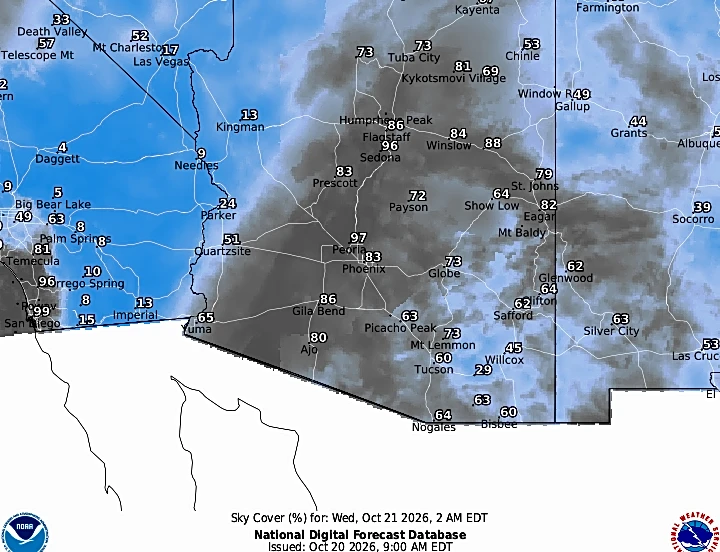
to hire a Senior Field Operations Manager for Autonomous Vehicles. This role, based in Phoenix, AZ, will be responsible for leading AV frontline teams, ensuring high performance, accountability, and execution in complex operational environments. The manager will drive performance across quality, service level agreements (SLAs), accuracy, efficiency, and customer experience, while also building strong frontline leadership and team capabilities. The position emphasizes preparing frontline teams for new AV launches, partnerships, and geographic expansion, and collaborating with program, product, and technology teams to enhance tooling and workflows.
Why It's Important?
Uber's aggressive push into autonomous vehicles signifies a significant strategic shift that could redefine the future of transportation and logistics in the U.S. By investing heavily in AV technology and partnerships, Uber aims to reduce operational costs associated with human drivers, potentially increasing profitability and efficiency in its ride-sharing and delivery services. This move could also address challenges related to driver shortages and inconsistent service quality. The creation of roles like the Senior Field Operations Manager highlights the practical steps Uber is taking to integrate AVs into its existing infrastructure, indicating a commitment to real-world deployment rather than just research and development. Success in this area could give Uber a substantial competitive advantage over traditional transportation companies and other tech firms vying for dominance in the autonomous sector, impacting labor markets, urban planning, and consumer expectations for mobility services.
What's Next?
Uber will continue to expand its AV operations and partnerships across the U.S., with a focus on integrating these technologies into its core services. The company will likely prioritize the development of scalable frontline processes and capabilities to support this growth, as indicated by the responsibilities of the Senior Field Operations Manager role. This will involve continuous improvement of operational rhythms, leveraging AI and automation to enhance frontline efficiency, and translating frontline insights into product and operational improvements. Future developments may include the launch of new AV services in additional cities, further strategic alliances with AV technology providers, and ongoing efforts to build a robust leadership bench and a culture focused on quality and continuous improvement within its AV division. The company's ability to effectively manage these complex operational environments will be crucial for the successful widespread adoption of its autonomous vehicle offerings.
Beyond the Headlines
The expansion of Uber's autonomous vehicle strategy carries profound implications beyond immediate operational efficiencies. Ethically, the widespread deployment of AVs raises questions about job displacement for human drivers and the societal impact on communities reliant on these jobs. Legally, the framework for liability in AV-related incidents is still evolving, as highlighted by discussions around Uber accident liability, which currently often rests with the driver rather than the company. As AVs become more prevalent, there will be increasing pressure to establish clear legal precedents for accidents involving autonomous systems. Culturally, the public's acceptance and trust in self-driving technology will be critical for its success, requiring robust safety records and transparent communication from companies like Uber. This technological shift could also trigger long-term changes in urban infrastructure, insurance models, and the very nature of personal mobility, potentially leading to more integrated and efficient transportation networks but also demanding careful consideration of regulatory and social challenges.