




What's Happening?
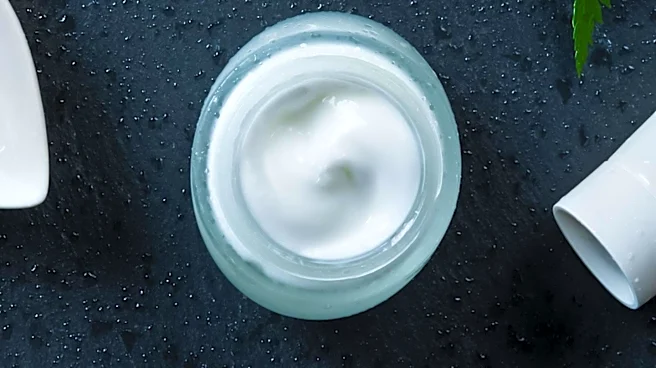
The skincare technique known as 'slugging' is gaining traction, particularly among individuals with dry or irritated skin. This method involves applying a thick, occlusive layer, typically petroleum jelly, as the final step in a nighttime skincare routine
to lock in moisture. The trend, which has no connection to slugs despite its name, is named for the shiny appearance it gives the skin, reminiscent of a slug's trail. Slugging is particularly beneficial for those with dry skin, as it helps reduce transepidermal water loss by creating a barrier on the skin's surface. While petroleum jelly is the traditional product used, the beauty community has expanded the term to include other rich balms and ointments. However, dermatologists caution against slugging for those with oily or acne-prone skin, as it may trap bacteria and exacerbate skin conditions.
Why It's Important?
Slugging represents a significant trend in skincare, emphasizing the importance of moisture retention and barrier protection. For individuals with dry or compromised skin barriers, this technique offers a simple yet effective solution to maintain hydration, especially in harsh weather conditions. The trend highlights a shift towards more personalized skincare routines that cater to specific skin needs. However, it also underscores the need for consumers to be aware of their skin type and potential reactions, as the technique may not be suitable for everyone. The popularity of slugging reflects a broader movement in the beauty industry towards embracing diverse skincare practices that prioritize skin health over aesthetic concerns.