






What's Happening?
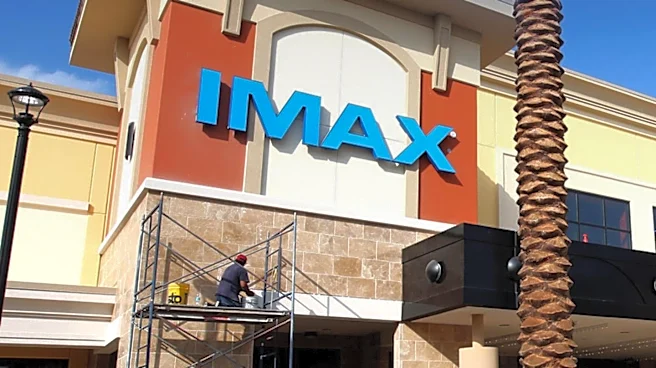
IMAX, a leading technology company in the cinema industry, is exploring a potential sale that could significantly impact the American cinema landscape. Historically, IMAX has operated independently, allowing it to serve as a neutral party among film studios
and theater chains. This independence has enabled IMAX to prioritize films that offer the best spectacle for its format, such as 'The Odyssey,' over other blockbusters like 'Spider-Man: Brand New Day.' The potential sale of IMAX raises concerns about the future of this balance, as possible buyers include major film studios, theater chains, or private equity firms. Each type of buyer could bring different challenges, such as favoritism towards certain films or cost-cutting measures that might degrade the IMAX experience.
Why It's Important?
The sale of IMAX could have far-reaching implications for the U.S. film industry. If a major studio like Disney acquires IMAX, it could lead to preferential treatment for that studio's films, potentially sidelining other movies that are better suited for the IMAX format. This could diminish the diversity of films available in IMAX theaters and alter the cinematic experience for audiences. On the other hand, if a theater chain like AMC purchases IMAX, it might lead to conflicts of interest with other chains that currently license IMAX technology. Additionally, a private equity acquisition could result in cost-cutting measures that compromise the quality of IMAX screenings, affecting the brand's reputation and the overall movie-going experience.
What's Next?
The future of IMAX will depend on the outcome of the sale and the intentions of the new owner. If a studio acquires IMAX, it may prioritize its own films, potentially reshaping the landscape of blockbuster releases. A theater chain acquisition could lead to strategic shifts in how IMAX technology is deployed across different venues. Meanwhile, a private equity firm might focus on maximizing profits, possibly at the expense of quality. Stakeholders in the film industry, including filmmakers, theater owners, and audiences, will be closely watching the developments to understand how the sale might affect their interests and the broader cinematic experience.
Beyond the Headlines
The potential sale of IMAX highlights broader issues of corporate consolidation in the entertainment industry. As fewer companies gain control over more aspects of film production and distribution, there is a risk of reduced competition and innovation. This trend could lead to a homogenization of content and a focus on profit over artistic quality. The situation underscores the need for careful consideration of the cultural and economic impacts of such consolidations, as well as the importance of maintaining diverse and independent voices in the film industry.