




What's Happening?
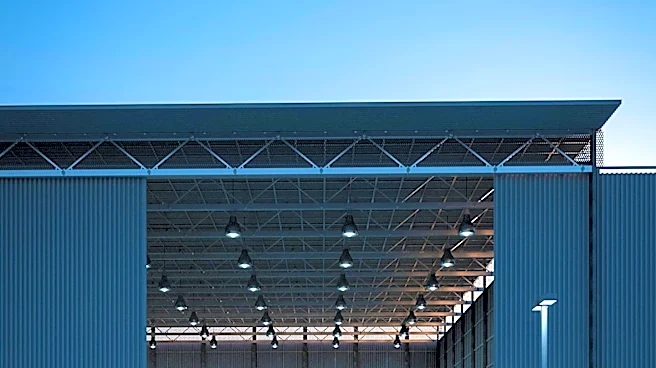
Partners Real Estate, a Houston-based development company, is planning its largest industrial building to date, TaylorPort 3, within the RCR Taylor Logistics Park. This new 573,000-square-foot facility will feature loading docks along a dedicated rail
line and is currently in the planning and design stages. The development follows the successful occupancy of its first two speculative buildings in the park. TaylorPort 1 is currently occupied by electric vehicle and robotics manufacturer Tesla, which utilizes the RCR for rail shipping of vehicles produced near Bastrop and is also a key customer for semiconductors from Samsung's Taylor campus. TaylorPort 2 houses Compal USA Technology, the U.S. arm of a major Taiwanese tech manufacturer, which is expected to create 900 jobs in Taylor and an additional 100 in Georgetown. Mitchell Hanzik, partner and managing director for development at Partners Real Estate, stated that TaylorPort 3 is designed to be the largest of their three phases at TaylorPort, reflecting the market's continued growth and appeal to institutional tenants and investors. The company is not yet ready to disclose a timeline for construction commencement.
Why It's Important?
This development signifies a substantial economic boost for Taylor and Williamson County, attracting significant industrial investment and job creation. The presence of major tenants like Tesla and Compal USA Technology underscores the region's growing importance as a hub for advanced manufacturing and technology. The strategic location of the RCR Taylor Logistics Park, adjacent to Samsung Electronics Co. Ltd.’s semiconductor fabrication site, makes it particularly attractive for Samsung suppliers, with as many as 150 suppliers, primarily from South Korea, seeking locations nearby. This influx of businesses extends beyond the semiconductor supply chain, drawing interest from aerospace, advanced manufacturing, food packaging, and cosmetics industries. The expansion by Partners Real Estate, and their potential search for more land, indicates a sustained positive outlook for industrial development in the area, contributing to local employment and economic diversification. The success in filling previous speculative buildings demonstrates strong market demand and confidence in the region's industrial potential.
What's Next?
Partners Real Estate will proceed with the planning and design phases for TaylorPort 3, though a construction timeline has not yet been announced. The company's newest development will occupy its last parcel at RCR, suggesting that Partners Real Estate may seek additional land for future projects in the Taylor area, indicating continued investment and expansion. The operationalization of Samsung’s Taylor campus by the end of the year is expected to further enhance the appeal of the logistics park, particularly for suppliers in the semiconductor industry. The ongoing success in attracting diverse industries, including aerospace and advanced manufacturing, suggests a continued diversification of the local economy. The creation of new jobs by tenants like Compal USA Technology will contribute to the region's workforce growth and economic stability. Local authorities and economic development agencies will likely continue efforts to support and attract further industrial investment.
Beyond the Headlines
The rapid industrial growth in Taylor, exemplified by developments like TaylorPort 3 and the presence of companies such as Tesla and Samsung, highlights a broader trend of decentralization in U.S. manufacturing and technology sectors. This shift is driven by factors such as access to skilled labor, favorable logistics, and strategic geographical positioning. The integration of rail lines directly into logistics parks, as seen with RCR, is a critical infrastructure advantage, enabling efficient supply chain management for large-scale operations. The concentration of tech giants and their suppliers in areas like Taylor can foster an ecosystem of innovation and specialized labor, potentially leading to the development of new educational and training programs to meet industry demands. This growth also raises questions about sustainable development, infrastructure capacity, and the long-term impact on local communities, including housing, traffic, and environmental considerations. The success of these industrial parks could serve as a model for other regions seeking to attract high-tech manufacturing and logistics operations.