






What's Happening?
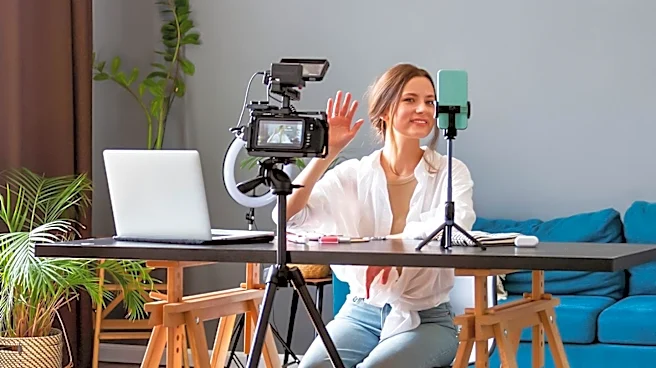
The creator economy is forecast to nearly double in size, growing from an estimated $250 billion in 2023 to approximately $480 billion by 2027, according to projections by Goldman Sachs. This growth implies an annual increase of 10% to 20%. The expansion
is largely attributed to increased digital media consumption, reduced barriers to content creation through accessible technology, and the rise of short-form video formats on platforms like TikTok, YouTube Shorts, and Instagram Reels. While influencer marketing, representing brand spending, was estimated at around $24 billion globally for 2024, it constitutes a minority of the total creator economy. The bulk of the revenue comes from platform payouts, subscriptions, digital product sales, affiliate commerce, live gifting, and creator commerce. Growth is not uniformly distributed, with short-form video monetization, creator commerce, and paid communities experiencing the fastest expansion, while display-style ad revenue sharing has seen slower growth. The industry is also seeing a professionalization of creators, who are increasingly viewed as small businesses focusing on financial management.
Why It's Important?
This significant growth in the creator economy highlights a fundamental shift in marketing and consumer trust. Brands are reallocating budgets from traditional mass media to creator-led channels, which offer higher engagement rates and lower consumer skepticism, particularly among younger, digitally-native audiences. The democratisation of brand building means that smaller businesses can establish credible brands with lower marketing investments by leveraging genuine creator relationships. This shift challenges traditional market analysis that heavily favors established brands with large advertising scales. The increasing professionalization of creators also signifies a maturing industry, where content creation is becoming a recognized career path, requiring robust business infrastructure and financial management. This evolution impacts how products are marketed, how consumer trust is built, and how businesses allocate their advertising and partnership resources, favoring authenticity and direct engagement over broad reach.
What's Next?
The creator economy is expected to continue its rapid expansion, with a focus on developing more sophisticated measurement and attribution frameworks for brands. As the industry matures, there will be an increased demand for tools and systems that help creators manage their growing businesses, including data ownership solutions like RAEK's Creator Vault, which aims to provide a private content and intelligence system for professional creators. The emphasis will shift from simply paying for reach to investing in authentic, data-driven creative operations that can generate measurable results and foster genuine connections. Platforms will likely continue to compete for creators by offering better monetization tools and support, while brands will seek to integrate creator partnerships more deeply into their core marketing strategies, moving beyond transactional endorsements to long-term, community-building initiatives. The industry will also need to address the challenge of fair pricing and transparency in creator deals, moving towards a more structured framework that itemizes components like production value, usage rights, and performance metrics.
Beyond the Headlines
The rise of the creator economy reflects a deeper societal trend of decentralization of cultural authority. Trust has shifted from traditional institutions and brand advertisers to individual creators who have cultivated authentic relationships with niche communities. This phenomenon has ethical implications regarding the responsibility of creators and brands in maintaining genuine connections and transparent practices. The challenge of measuring the impact of creator partnerships also raises questions about the evolving metrics of success in marketing, moving beyond simple reach to focus on engagement, trust, and conversion. Furthermore, the increasing reliance on AI in predicting creator performance introduces a new layer of complexity, balancing algorithmic efficiency with the inherently human element of trust and creativity. The long-term impact could reshape traditional employment models, fostering a more entrepreneurial and independent workforce, while also necessitating new legal and ethical frameworks for data ownership and intellectual property in the digital age.