





What's Happening?
Día de los Muertos, also known as Día de Muertos or Day of the Dead, is a Mexican holiday observed primarily on November 1 and 2. It is celebrated across Mexico, parts of Central America, and by many Mexican Americans in the United States. The holiday blends
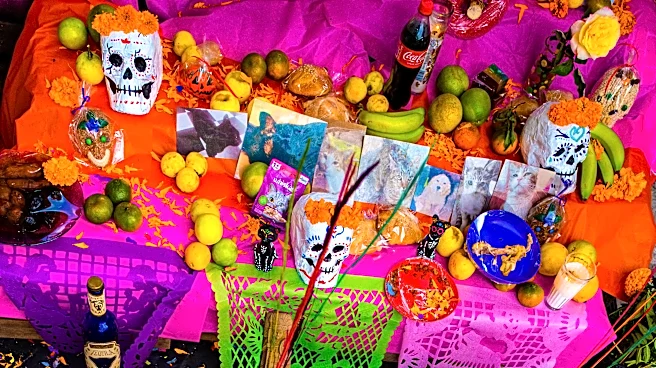
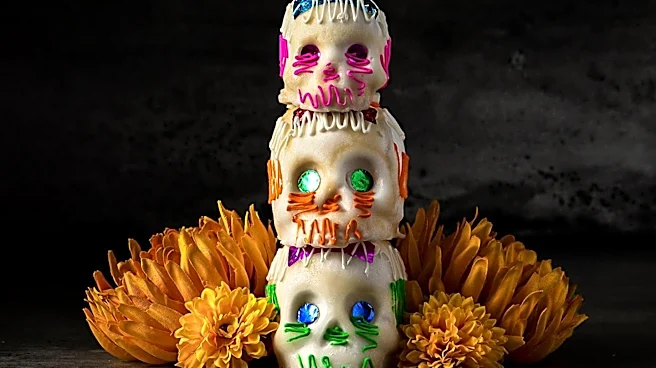
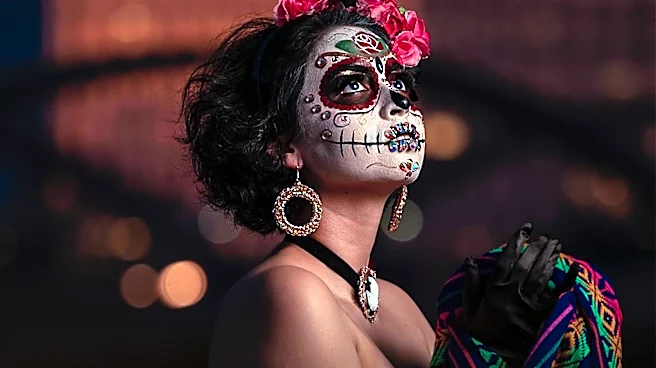
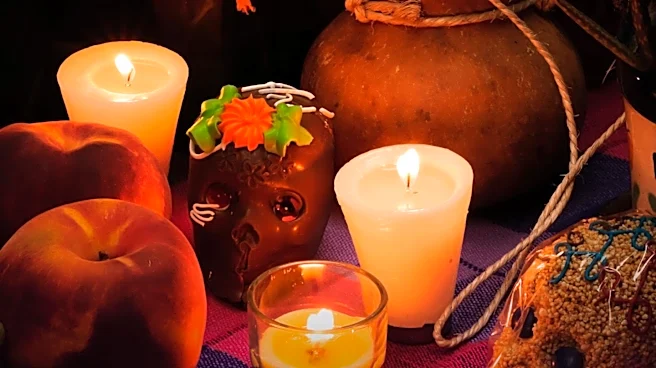
Indigenous customs, particularly from Aztec, Toltec, Olmec, and Maya civilizations, with Spanish Catholic traditions. It is a time for families to honor and remember deceased loved ones, viewing death as a transition rather than an end. Modern celebrations often involve decorating graves with candles, marigolds, and favorite foods, and constructing ofrendas (altars) in homes or public spaces. These altars typically incorporate representations of fire, water, earth, and wind. Other celebratory activities include decorating sugar skulls, dressing as La Catrina, and attending parades and music festivals.
Why It's Important?
The celebration of Día de los Muertos by seniors, as highlighted by StoryPoint Group senior living communities, underscores the holiday's significance in fostering intergenerational connections and preserving cultural heritage. For many Mexican Americans, this holiday is a vital link to their ancestry and a way to maintain cultural identity within the U.S. context. The emphasis on remembrance and celebration of life, rather than just mourning, provides a unique approach to grief and loss that can be particularly beneficial for older adults. It also promotes community engagement, as families gather to share stories and participate in traditions. This recognition by senior living communities suggests a growing awareness and accommodation of diverse cultural practices within care settings, enhancing the quality of life for residents.
What's Next?
The increasing recognition and celebration of Día de los Muertos in settings like senior living communities suggest a trend towards greater cultural inclusivity in the U.S. This could lead to more widespread adoption of culturally specific holiday programming in various institutions, including schools, community centers, and healthcare facilities. Educational initiatives about the holiday's history and traditions are likely to expand, promoting broader understanding and appreciation. For seniors, continued engagement with Día de los Muertos activities, such as creating ofrendas or sharing family stories, will likely become a more integrated part of their social and emotional well-being programs. This trend also encourages non-celebrating individuals to learn about and respectfully acknowledge their neighbors' traditions.
Beyond the Headlines
The integration of Día de los Muertos into mainstream U.S. cultural discourse, particularly within senior care, reflects a deeper societal shift towards multiculturalism and the valuing of diverse traditions. This holiday offers a powerful counter-narrative to the often-individualistic approach to death in Western societies, emphasizing communal remembrance and the enduring presence of loved ones. Ethically, it raises questions about how institutions can best support and honor the cultural and spiritual needs of diverse populations. The holiday's artistic expressions, such as La Catrina and sugar skulls, also contribute to a vibrant cultural landscape, influencing art, fashion, and public celebrations. This ongoing cultural exchange enriches American society by introducing new perspectives on life, death, and family.