







What's Happening?
UPSIDE Foods, a leading cultivated meat company based in Emeryville, California, is actively seeking a Quality Engineer to define, establish, and enforce food safety and quality systems for its cultivated meat production. This role is critical as the
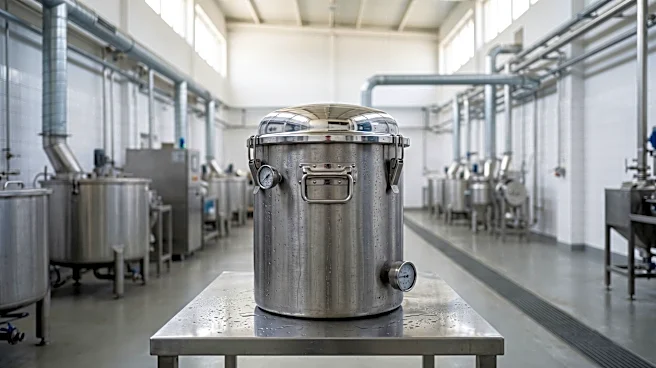
company scales its operations and aims to set precedents for the industry. The Quality Engineer will be responsible for integrating quality and food safety methods into plant goals, covering aspects like the FSQA lab, plant testing, HACCP, and Preventive Controls monitoring. The position requires driving continuous improvement in food safety, quality, regulatory compliance, sanitation, and corporate standards, while also participating in the innovation process to ensure comprehensive risk analysis and validated compliance documentation. UPSIDE Foods has achieved significant milestones, including being the first cultivated meat company to receive approval from both the FDA and USDA for sales in the United States.
Why It's Important?
The hiring of a Quality Engineer by UPSIDE Foods is a pivotal development for the U.S. cultivated meat industry, underscoring the critical importance of robust food safety and quality assurance as the sector moves towards commercial scale. This role is essential for building consumer trust and ensuring regulatory compliance, which are paramount for the widespread adoption of cultivated meat products. For the U.S. food industry, this signifies the maturation of a nascent sector, creating new job opportunities in specialized areas of food science and engineering. The establishment of rigorous quality standards by pioneers like UPSIDE Foods will likely influence future regulatory frameworks and industry best practices, potentially setting a global benchmark for cultivated meat production. Success in this area could accelerate the transition to more sustainable protein sources, impacting traditional agriculture and offering consumers innovative, ethically produced food options.
What's Next?
The newly appointed Quality Engineer at UPSIDE Foods will focus on implementing and executing a comprehensive Food Safety & Quality Management System for cultivated meat manufacturing, covering both FDA and USDA operations. This includes acting as a subject matter expert for day-to-day food safety and quality issues, overseeing EMP testing, pre-op startup, in-process sample and testing, internal audits, GMP compliance, and the final release process. The role will also involve partnering with R&D and Regulatory teams on testing programs, supporting third-party certifications (kosher, organic, halal), and managing supplier quality and regulatory relationships, including FDA and USDA inspections. The company aims to develop and carry out regulatory strategies for its food safety and quality programs, with a strong emphasis on continuous improvement and collaboration to build a healthy team environment and set industry precedents.
Beyond the Headlines
The emphasis on a Quality Engineer role at UPSIDE Foods highlights a deeper, less obvious implication for the cultivated meat industry: the establishment of a new paradigm for food production that prioritizes scientific rigor and controlled environments over traditional agricultural variables. This shift could lead to unprecedented levels of consistency and safety in meat products, potentially mitigating risks associated with conventional farming, such as zoonotic diseases and antibiotic resistance. Ethically, it reinforces the commitment to animal welfare by offering a slaughter-free alternative. However, it also raises questions about the public's perception of 'natural' food and the potential for a disconnect between consumers and the origins of their sustenance. The legal and regulatory frameworks will need to adapt to these novel production methods, ensuring that standards are robust yet flexible enough to foster innovation. Culturally, the acceptance of cultivated meat could signify a broader societal embrace of biotechnology as a solution to complex global challenges, fundamentally altering our relationship with food and its production.