

What's Happening?
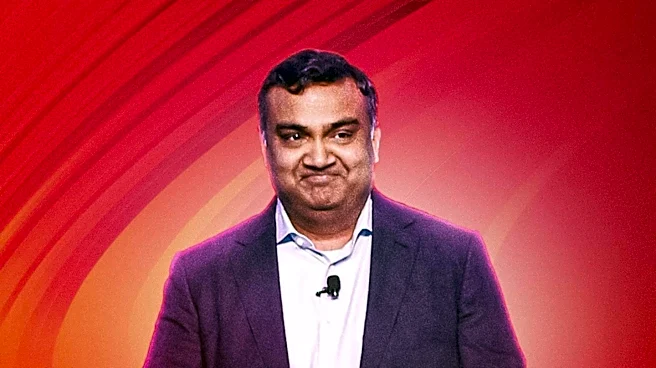
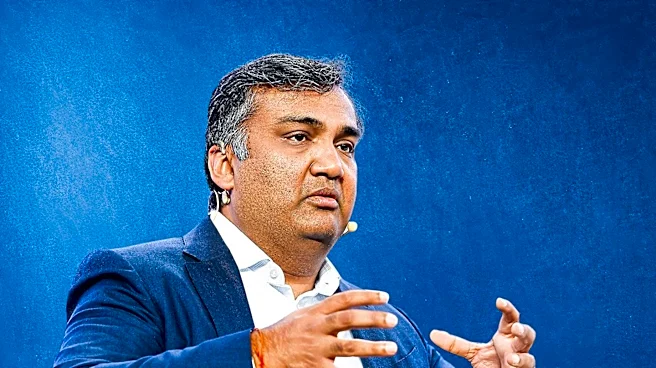
Nikesh Arora, Chairman and Chief Executive Officer of the U.S.-based cybersecurity firm Palo Alto Networks, recently met with Prime Minister Narendra Modi. Arora publicly praised PM Modi's deep understanding of technology and his optimistic vision for
leveraging artificial intelligence (AI) to benefit the general populace. In a social media post, Arora expressed his admiration for Modi's clarity on how AI can positively transform sectors such as education and healthcare, while simultaneously reducing bureaucratic and operational obstacles for businesses operating in India. The discussion also touched upon the critical aspect of deploying emerging technologies safely and securely, and the potential risks posed by malicious actors. Arora affirmed Palo Alto Networks' commitment to contributing positively to PM Modi's technological vision.
Why It's Important?
This interaction underscores the growing global recognition of India's technological advancements and its strategic focus on AI. For U.S. technology companies like Palo Alto Networks, engaging with leaders like PM Modi is crucial for understanding and potentially influencing policy directions in a rapidly expanding market. Arora's comments highlight the potential for collaboration between U.S. tech firms and the Indian government in developing secure and beneficial AI applications. This could lead to increased investment opportunities for American companies in India's digital infrastructure and cybersecurity sectors. Furthermore, the emphasis on safe and secure AI deployment aligns with global concerns about AI governance and could set precedents for international cooperation in managing AI risks.
What's Next?
Following this high-profile meeting, it is likely that Palo Alto Networks will explore further avenues for collaboration with India, particularly in cybersecurity and AI implementation. This could involve partnerships with Indian businesses, government agencies, or educational institutions to develop secure AI solutions. The dialogue may also encourage other U.S. tech leaders to engage more deeply with India's technology ecosystem, potentially leading to increased foreign direct investment and technological exchange. Future discussions could focus on specific projects related to AI in public services, cybersecurity frameworks for critical infrastructure, and initiatives to mitigate the risks associated with advanced technologies. The emphasis on secure AI diffusion suggests a potential for joint research and development efforts in this area.
Beyond the Headlines
The meeting between Nikesh Arora and PM Modi reflects a broader geopolitical trend where technology, particularly AI, is becoming a central pillar of international relations and economic strategy. Beyond immediate business opportunities, this engagement highlights the ethical and security dimensions of AI at a national scale. The discussion about diffusing AI safely and securely, while also acknowledging the dangers posed by malicious actors, points to the complex challenge of balancing innovation with risk management. This interaction could influence global standards for AI ethics and security, as major tech players and nations grapple with the societal implications of advanced AI. It also signals a potential shift towards more collaborative international efforts in shaping the future of AI governance.