






What's Happening?
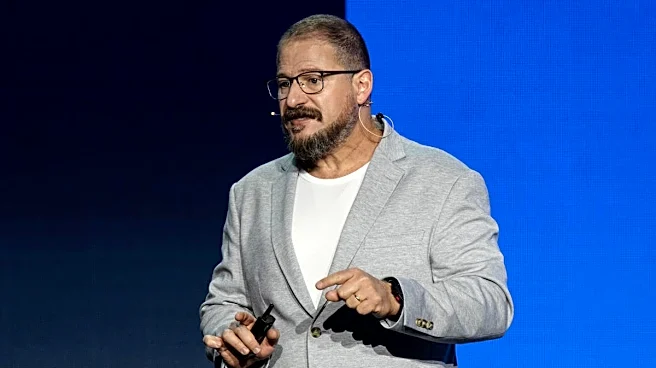
Replit, a company known for its 'vibe-coding' approach, hosted Vibecon, a two-day conference in New York City focused on the intersection of creativity and artificial intelligence (AI). The event featured a variety of activities, including interactive
art exhibits, artist talks, and workshops. A key theme of the conference was the concept of 'taste' in AI, with discussions led by Replit's CEO Amjad Masad and filmmaker Spike Jonze. The conference aimed to explore whether AI can possess or develop taste, a topic that has gained attention in the tech industry. Attendees included a diverse group of creatives, tech enthusiasts, and industry leaders, all engaging in discussions about the future of AI in creative fields.
Why It's Important?
The exploration of AI's role in creativity and taste is significant as it addresses the evolving relationship between technology and the arts. As AI becomes more integrated into creative processes, questions about its ability to replicate or enhance human creativity and taste become increasingly relevant. This conference highlights the growing interest in how AI can contribute to artistic expression and the potential for new forms of collaboration between humans and machines. The discussions at Vibecon reflect broader industry trends, where companies and individuals are seeking to understand and harness AI's capabilities in creative domains. This could lead to innovations in art, design, and media, impacting how creative work is produced and consumed.
What's Next?
Following Vibecon, there may be increased interest in developing AI technologies that can better understand and replicate human taste. This could lead to further research and investment in AI-driven creative tools and platforms. Companies like Replit may continue to host similar events to foster dialogue and collaboration between tech and creative communities. The outcomes of these discussions could influence future AI applications in the arts, potentially leading to new business models and opportunities for artists and technologists alike. As the conversation around AI and creativity evolves, it will be important to consider ethical implications and ensure that AI complements rather than replaces human creativity.