
What's Happening?
Global chemical manufacturer OXEA has chosen Uber Freight to manage its logistics network, which spans the U.S., Canada, Mexico, and Europe. This partnership goes beyond traditional transportation management,
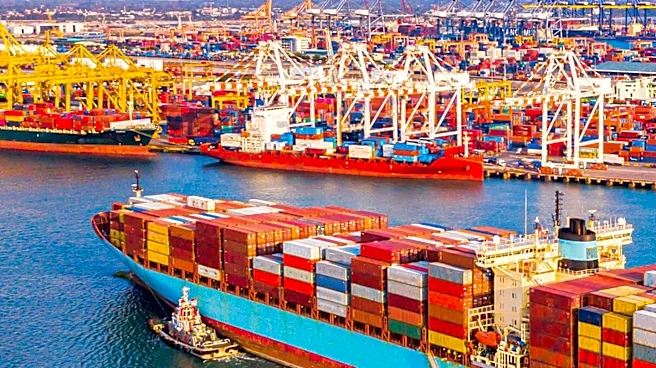
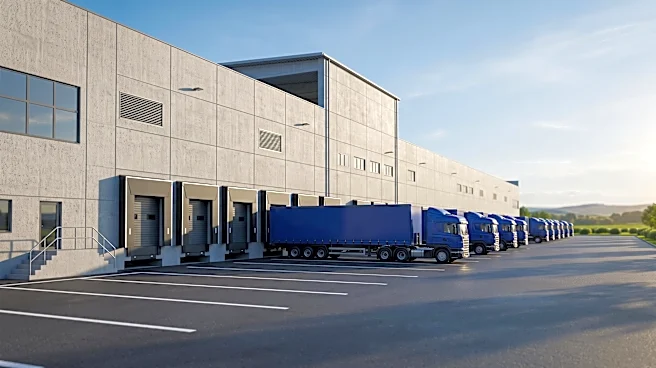
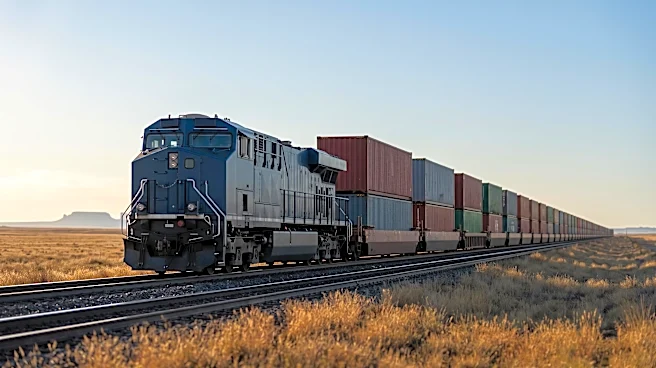
with Uber Freight providing comprehensive outsourced transportation management across truckload, rail, and ocean freight. The decision was announced in a September 15 press release, indicating OXEA's need for a logistics partner capable of overseeing its operations as a single global network rather than by individual regions. Uber Freight will be responsible for the day-to-day transportation needs of OXEA, streamlining its supply chain across multiple continents and modes of transport.
Why It's Important?
This collaboration signifies a growing trend in the logistics industry where companies are seeking integrated, technology-driven solutions for complex global supply chains. For OXEA, a chemical manufacturer, efficient and reliable logistics are critical due to the nature of its products, which often require specialized handling and timely delivery. By entrusting its entire logistics network to Uber Freight, OXEA aims to achieve greater operational efficiency, cost savings, and improved visibility across its supply chain. For Uber Freight, securing a contract with a global chemical manufacturer like OXEA demonstrates its expanding capabilities beyond its initial ride-sharing roots and its increasing penetration into the enterprise logistics sector. This move positions Uber Freight as a significant player in the global freight market, capable of handling diverse and demanding logistical requirements.
What's Next?
Uber Freight will now be responsible for the day-to-day management of OXEA's transportation needs across truckload, rail, and ocean. This will involve optimizing routes, managing carriers, and ensuring timely and secure delivery of chemical products across North America and Europe. The partnership is expected to leverage Uber Freight's technological platform to provide OXEA with enhanced visibility and control over its logistics operations. This could lead to further integration of digital tools and data analytics to improve supply chain performance. The success of this partnership could also serve as a case study for other global manufacturers looking to consolidate and modernize their logistics operations, potentially driving more businesses towards technology-enabled freight solutions like those offered by Uber Freight.
Beyond the Headlines
The selection of Uber Freight by a global chemical manufacturer highlights the ongoing digital transformation within the logistics sector. Companies are increasingly moving away from fragmented, regional logistics solutions towards integrated, global networks managed by technology platforms. This shift is driven by the need for greater efficiency, transparency, and resilience in supply chains, especially in an era of increasing global trade complexities and disruptions. The partnership also underscores the potential for technology companies like Uber to diversify their offerings and apply their platform-based models to traditional industries. This could lead to significant changes in how freight is managed globally, with a greater emphasis on data-driven decision-making, automation, and real-time tracking, ultimately reshaping the competitive landscape of the logistics industry.