









What's Happening?
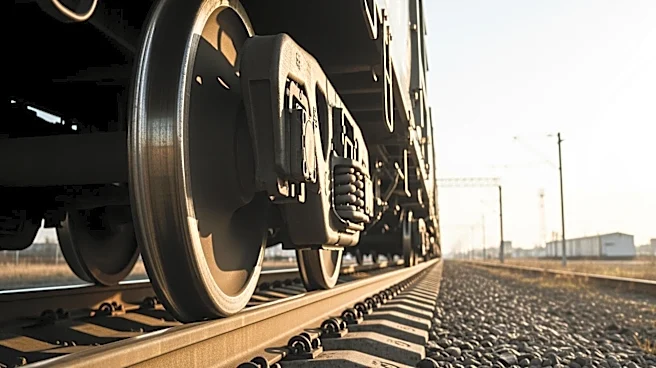
The Association of American Railroads (AAR) has reported annual gains in U.S. rail carload and intermodal volumes for the week ending June 13. Rail carloads increased by 2.8% annually, reaching 230,959, surpassing the figures from the weeks ending June 6
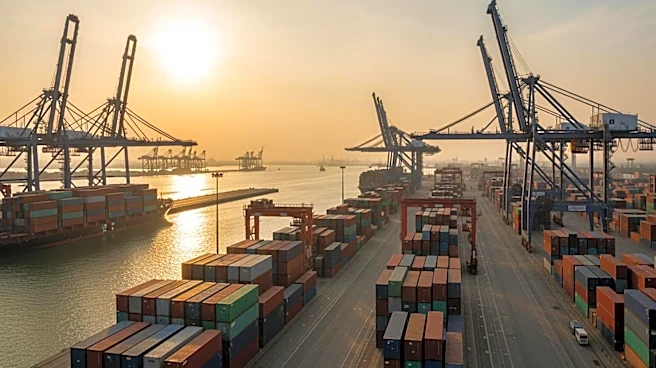
and May 30. Six out of ten carload commodity groups tracked by AAR saw annual increases, including grain, metallic ores and metals, and nonmetallic minerals. However, some groups like coal, chemicals, and forest products experienced declines. Intermodal container and trailer volume also saw a significant annual gain of 10.9%, with 289,447 units recorded. Over the first 23 weeks of 2026, carloads rose by 3.2% annually, while intermodal containers and trailers increased by 2.7%.
Why It's Important?
The reported gains in rail carload and intermodal volumes indicate a positive trend in the U.S. freight transportation sector. This growth reflects increased demand for certain commodities, which can be a sign of economic recovery or expansion. The rise in intermodal volumes suggests a shift towards more efficient and flexible transportation solutions, which can benefit businesses by reducing costs and improving supply chain reliability. However, the decline in coal and chemical carloads highlights ongoing challenges in these sectors, possibly due to environmental regulations and shifts in energy consumption patterns. Overall, these trends can impact various stakeholders, including rail companies, commodity producers, and logistics providers.
What's Next?
As the U.S. economy continues to evolve, the rail industry may see further changes in commodity demand and transportation patterns. Stakeholders will likely focus on adapting to these shifts by investing in technology and infrastructure to enhance efficiency and capacity. Additionally, ongoing monitoring of commodity trends will be crucial for rail companies to align their services with market needs. The industry may also face regulatory changes that could impact operations, particularly in sectors like coal and chemicals. Collaboration between rail companies and other logistics providers could become increasingly important to address these challenges and capitalize on growth opportunities.