


What's Happening?
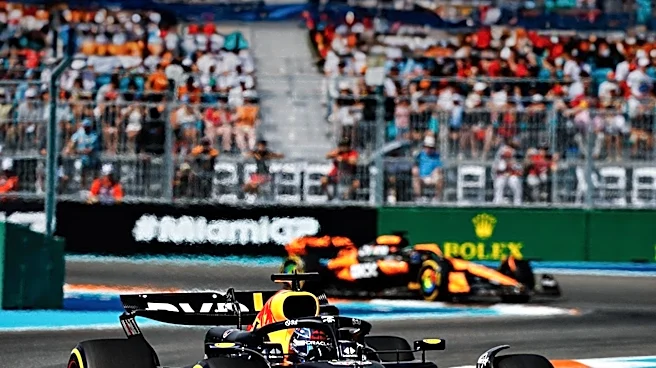
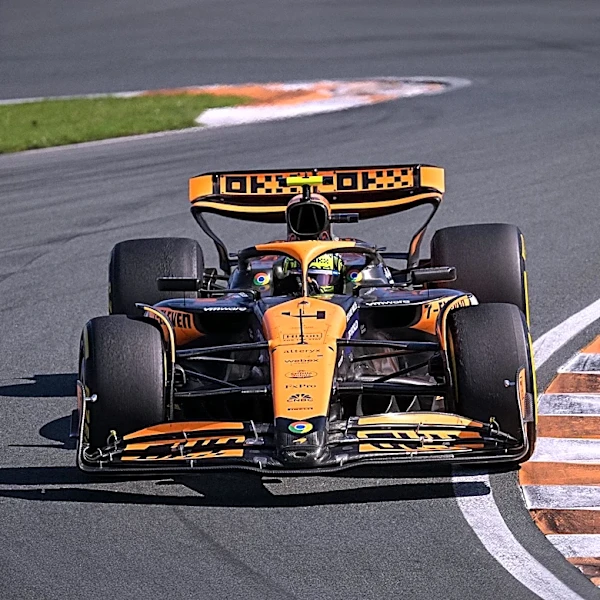
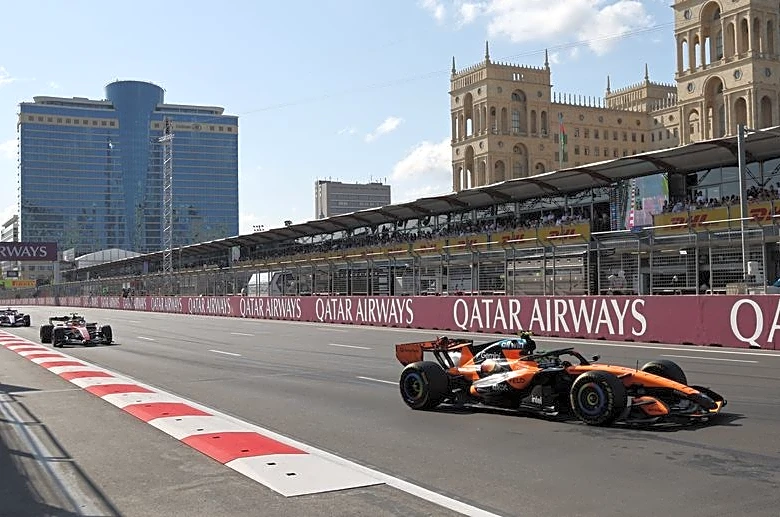
Stephen Ross, owner of the Miami Dolphins, is reportedly in negotiations to sell a 20% stake in the Miami Grand Prix to Otro Capital, a private equity firm. This potential transaction was reported by Front Office Sports. Ross currently owns the Miami Grand Prix,
a Formula 1 event that has gained significant traction since its inception. The details of the negotiation, including the financial terms, have not been publicly disclosed. This move would introduce a new significant investor into the ownership structure of the high-profile racing event, potentially impacting its future development and financial strategy.
Why It's Important?
This potential sale is significant for the U.S. sports and entertainment industry, particularly in the context of Formula 1's growing popularity in the United States. The involvement of a private equity firm like Otro Capital suggests a strategic financial play to capitalize on the increasing value of major sporting events. For the Miami Grand Prix, new investment could lead to further expansion, enhanced fan experiences, or infrastructure improvements, solidifying its position as a premier event on the Formula 1 calendar. For Stephen Ross, this could be a move to diversify his investment portfolio or to bring in strategic partners to help manage and grow the event. The transaction also reflects the broader trend of private equity investment in sports, indicating a belief in the long-term profitability and global appeal of such ventures. This could set a precedent for similar deals in other major U.S. sporting events.
What's Next?
The negotiations between Stephen Ross and Otro Capital are ongoing, and the next step would be the finalization and announcement of any agreement. If the sale proceeds, Otro Capital's 20% stake would likely bring new strategic insights and financial resources to the Miami Grand Prix. This could influence decisions regarding event scheduling, marketing, and potential partnerships. The involvement of a private equity firm often signals an intent to maximize profitability and growth, which might lead to changes in how the event is managed or expanded. The broader implications for Formula 1 in the U.S. could include increased investment in other American races or the exploration of new venues, as the sport continues to expand its footprint in the region. The outcome of these negotiations will be closely watched by stakeholders in the sports business world.
Beyond the Headlines
The potential sale of a stake in the Miami Grand Prix to Otro Capital highlights a deeper trend of financialization in professional sports. Beyond the immediate investment, private equity involvement often brings a focus on data-driven decision-making, operational efficiencies, and global brand expansion. This could transform the Miami Grand Prix from a standalone event into a more integrated component of a larger sports and entertainment portfolio. Ethically, the increasing influence of private equity in sports raises questions about the balance between commercial interests and the traditional spirit of competition and fan engagement. The long-term impact could see a shift in how sporting events are conceptualized and delivered, prioritizing global market reach and revenue generation. This move also underscores the growing attractiveness of U.S. markets for international sports, positioning the country as a key hub for major global sporting spectacles and their associated economic opportunities.