






What's Happening?
Vegan meal plans are increasingly focusing on a balanced intake of substantial protein foods, grains or starches, produce, suitable fats, and fortified foods to ensure nutritional adequacy. This approach is crucial for individuals following a plant-based
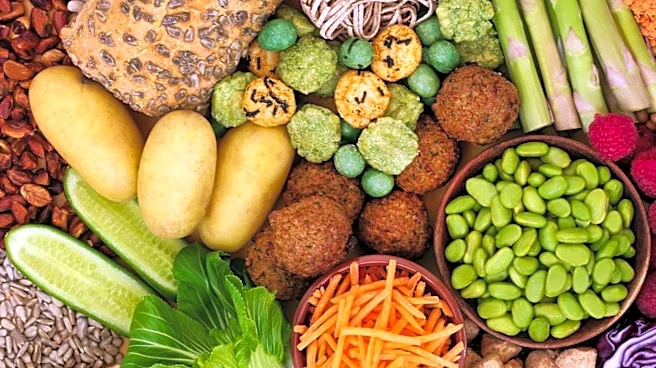
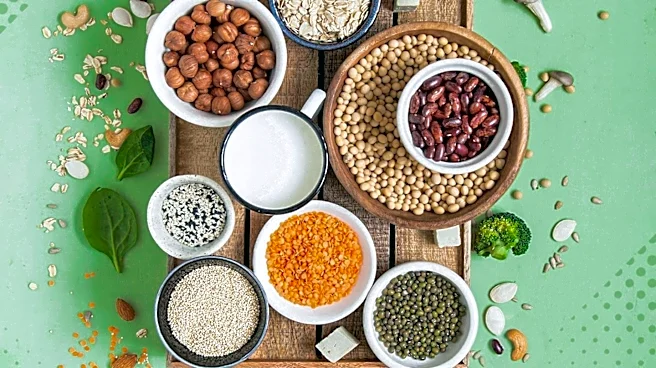
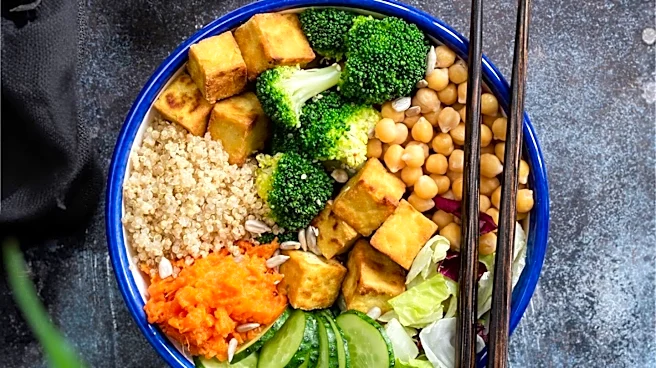
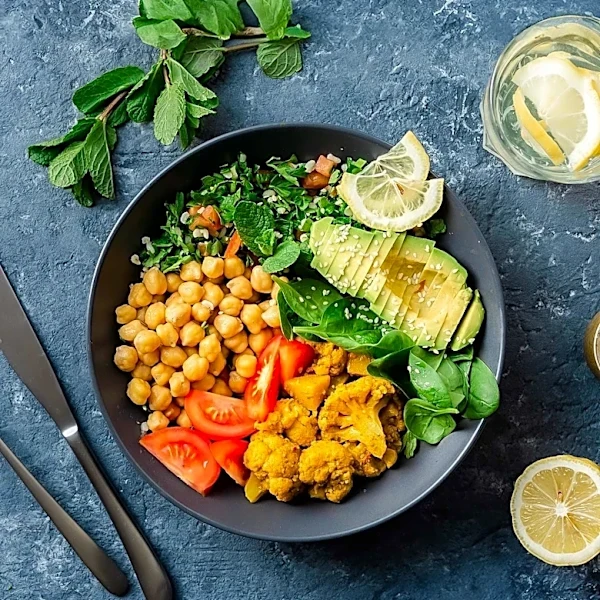
diet, especially when considering practices like intermittent fasting. Key components of these meal plans include tofu, tempeh, beans, lentils, edamame for protein; rice, oats, bread, pasta, potatoes for grains; and a variety of fruits and vegetables. Healthy fats like olive oil, nuts, tahini, and seeds are also incorporated. Fortified foods, such as plant drinks, cereals, and nutritional yeast, are highlighted for providing essential nutrients that might otherwise be difficult to obtain, particularly vitamin B12. The emphasis is on building complete meals rather than relying solely on raw vegetables, which may not provide sufficient nutrients.
Why It's Important?
The structured approach to vegan meal planning is vital for public health, particularly as plant-based diets gain popularity in the U.S. Ensuring nutritional adequacy prevents deficiencies in critical vitamins and minerals like B12, calcium, vitamin D, iron, iodine, and omega-3 fatty acids. This is especially important for vulnerable populations, including those considering intermittent fasting, pregnant or breastfeeding individuals, and children, for whom nutritional needs are distinct. The guidance helps consumers make informed food choices, supporting overall well-being and reducing potential health risks associated with poorly planned diets. For the food industry, this trend signals a growing demand for fortified vegan products and diverse plant-based protein sources, influencing product development and market strategies. Educational institutions and healthcare providers also play a role in disseminating accurate nutritional information to support healthy vegan lifestyles.
What's Next?
As the demand for vegan and plant-based options continues to grow, there will likely be further innovation in fortified food products and more detailed nutritional guidance from health professionals. Food manufacturers are expected to expand their offerings of plant-based proteins, fortified plant milks, and cereals to meet the specific dietary needs highlighted in these meal plans. Educational campaigns may also increase to inform the public about the importance of balanced vegan nutrition and the role of fortified foods. Healthcare providers and dietitians will continue to be crucial in advising individuals on personalized vegan meal plans, especially for those with specific health conditions or dietary restrictions. The focus will remain on ensuring that plant-based diets are not only ethical but also nutritionally complete and sustainable for long-term health.
Beyond the Headlines
The emphasis on comprehensive vegan meal planning reflects a broader societal shift towards more conscious and health-oriented eating. Beyond the immediate nutritional benefits, this trend has implications for sustainable food systems and ethical consumption. By promoting plant-based diets, there's a potential for reduced environmental impact associated with animal agriculture. The detailed attention to nutrient intake also underscores a growing awareness of the complexities of dietary choices and the need for scientific backing in nutritional advice. This movement challenges traditional dietary norms and encourages a more holistic understanding of food, health, and environmental interconnectedness. It also highlights the ethical considerations of food production and consumption, pushing for transparency and responsible sourcing within the food industry.